



Cultural Parallels: Korea and Bangladesh
By Rifa Tasnia Oishe ||
In a world often divided by language and history, when we look beyond the lines delineating borders, we find cultural threads that bind us. As a Bangladeshi student deeply engaged in literature and cultural studies, I have long been fascinated by the cultural resonance between my homeland, Bangladesh, and South Korea due to community values, reverence for tradition, and respect to elders.
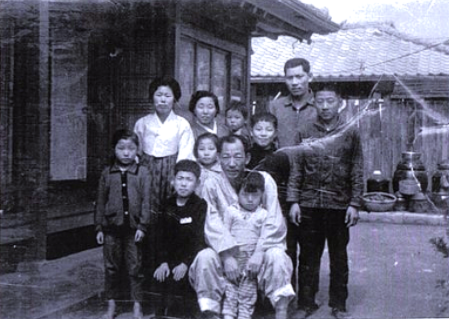
At the heart of both societies lies family. This inter-generational bond serves as a defining feature of both societies, with respect toward one’s elders playing a central role. In South Korea, bowing, using honorific language, and hierarchical etiquette shape daily interaction. Meanwhile in Bangladesh, the Korean concept of hyo (효, filial piety) finds a natural echo in the practice of shroddha, a moral compass of deep respect for elders. Though people express it differently, the sentiment is still the same.
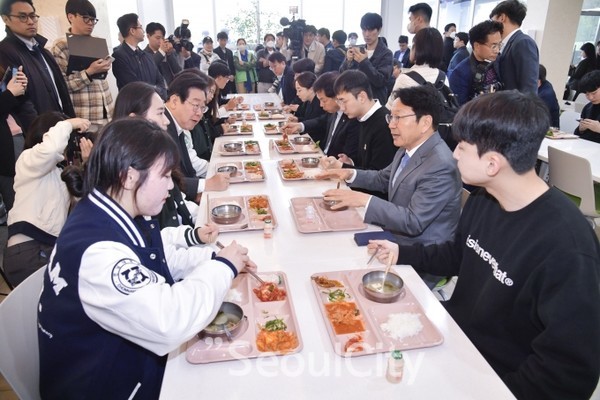
Despite being a thousand kilometers apart, Korean and Bangladeshi cuisines share surprising similarities. Both cultures’ common daily meal is rice. Fermented dishes like Korea’s jeotgal (젓갈) and Bangladesh’s shutki reflect the tradition of food preservation. The shared practice of gathering around the table and preserving culinary heritage through generations reflects both cultures belief that food tastes better when shared.
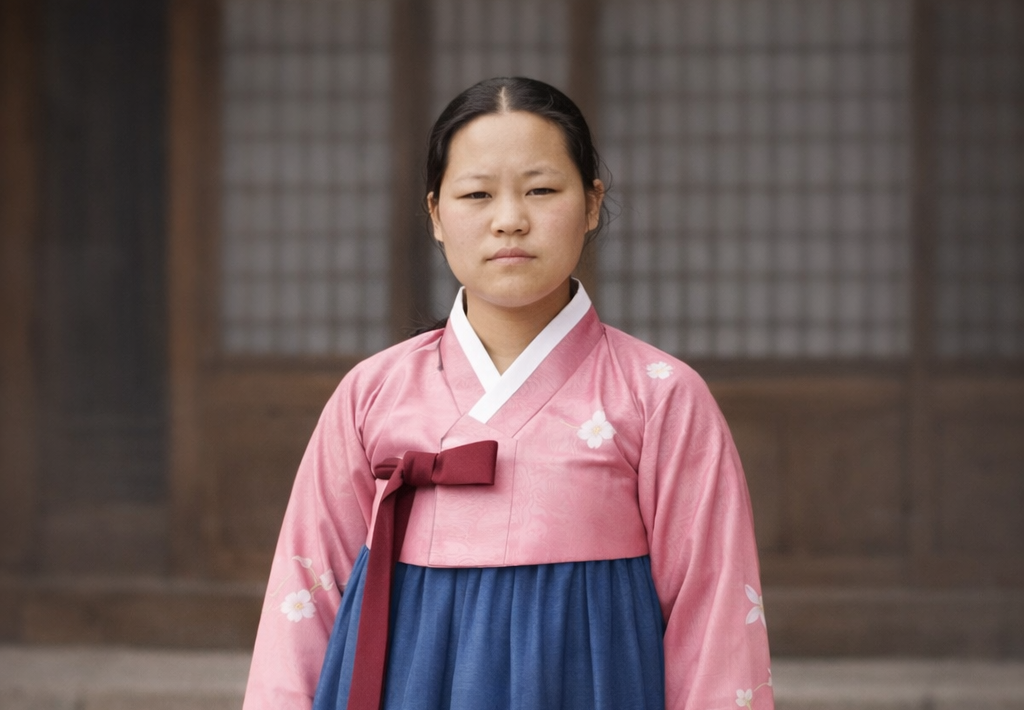
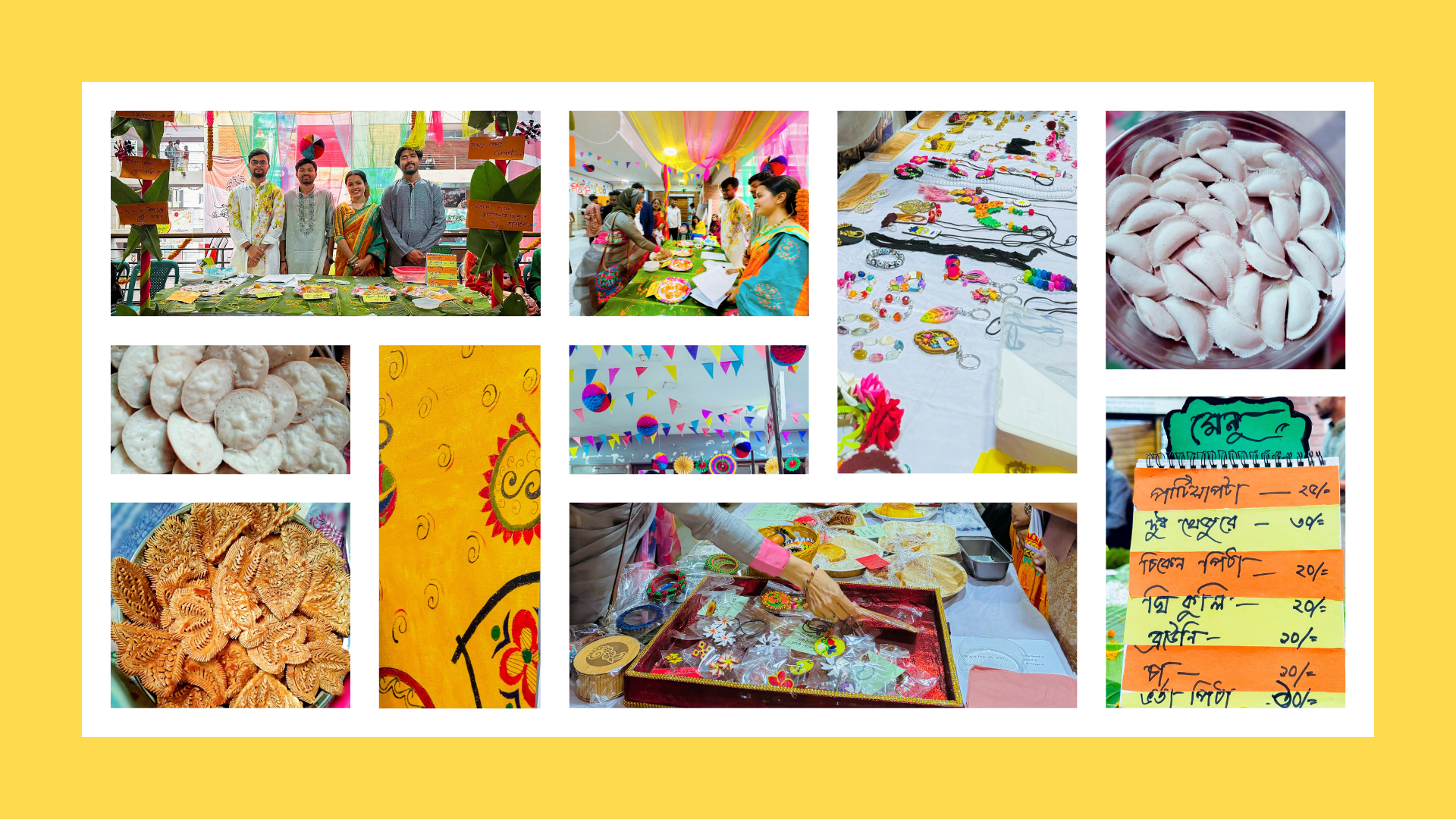
The festivals of Chuseok in South Korea and Nabanna in Bangladesh are celebrations of the harvest that center around family and gratitude. Both are marked by traditional attire, folk music, and vibrant community gatherings. During these festivals Koreans prepare special dishes made from freshly harvested rice, including the popular songpyeon, a sweet and chewy half-moon rice cake. On the other hand, in Bangladesh we make pitha, a traditional Bengali rice snack made with rice flour and payesh, which is basically a rice pudding. Two different cultures, but these foods carry the same meaning of reminding one of their roots and reflecting the shared human joy of celebrating abundance and togetherness.
I wrote this article based on my personal encounters with Korean culture after trying Korean foods, watching Korean dramas, and meeting Koreans at a Korean language institute, which led me to learning more about Korean language and culture. These experiences ignited my curiosity to explore the cultural similarities between these two nations. This article is a reflection of that discovery, which made me realize that cultural understanding grows from shared experiences and from the simple joys that bring people together across borders.
The Author
Rifa Tasnia Oishe is currently pursuing an MA in English literature and cultural studies. She loves exploring culture, community stories, and traditions that shape our identities. Rifa is passionate about promoting inclusive education through research, writing, and cross-cultural projects.
Cover Photo: Celebrating Bangladeshi cultural heritage with pithas and handmade crafts. (Photographs by Rifa Tasnia Oishe and ©Jannatul Ferdous Easha)