





The Polite Violence of Collectivism: Parallel Social Architectures in Korea and Bengal
An Examination of Body, Memory, and Resistance in the Works of Han Kang, Mahasweta Debi,
and Ashapurna Debi
By Reeti Roy
Separated by thousands of miles and shaped by different political histories, the cultures of Korea and Bengal reveal a striking resemblance in their underlying social structures. Korea draws from a Confucian world shaped by hierarchy, filial duty, and social harmony. Bengal draws from an Indic moral universe structured by karma, caste, and a deeply embedded collective ethos. Although these foundations differ, the two societies meet at shared points. Both show a preoccupation with fate, both prioritize collective stability over individual expression, and both use linguistic hierarchy to regulate behavior. In such environments, harmony becomes more important than selfhood. Politeness becomes the medium through which power circulates, and obedience is internalized.
This essay reads these structures through the works of Han Kang, Mahasweta Debi, and Ashapurna Debi. Their texts reveal the fractures beneath the façade of harmony and the quiet or violent struggles that occur when the collective tries to contain the individual. Through their writing, the body becomes an instrument of protest, memory becomes resistance, and the home becomes a political space in which women negotiate freedom inch by inch.
Reading the Cosmic Dice: Destiny, Ritual, and Moral Debt
Both Korean and Bengali cultures place extraordinary importance on destiny. Korea speaks of unmyeong (운명), while Bengal speaks of karmaphol. In both worlds, the child is imagined as entering life with a script that precedes choice, yet this script is reinforced through ceremonies that invite the community to interpret the child’s future.
Umyeong and Karmaphol: Two Cosmologies of Fate
In Korea, umyeong refers to a preordained fate. The idea suggests that a person’s life is already set in a broad direction. Individual effort, or noryeok, is admired, but it operates within boundaries that feel predetermined. Life resembles a road already laid down, and the individual must walk it with dignity and perseverance.
In Bengal, karmaphol is not a fixed script. It is shaped by moral action. Destiny is imagined as a ledger that can be altered through decisions, effort, and devotion. This worldview becomes visible in the hatekhori ceremony, where a child writes their first letters before Goddess Saraswati. The ceremony suggests that learning provides a path for transformation. Knowledge becomes a tool through which fate can be negotiated rather than merely endured.
“Harmony without justice is only a polite cover for violence.”
The Child’s Choice as a Collective Aspiration
Both cultures express these cosmologies through rituals of selection. In Korea, the doljabi invites the child to choose an object representing a possible future occupation. In Bengal, families often place pens, grain, or money before the child and observe the selection with similar expectation. These ceremonies are community performances. The child’s gesture becomes an index of collective aspiration rather than personal desire.
In contemporary Korea, doljabi objects often include microphones, cameras, or dance shoes. These choices reflect Hallyu-era dreams
shaped by an economy driven by visibility and competition. As Han Byung-Chul argues, modern achievement culture turns ambition into moral duty. The child’s future becomes a project of optimization shaped by market desire.
The Tyranny of the Collective: Harmony Over the Individual Self
The Emotional Logic of Jeong and Han
In Korean society, relationality is not optional. Jeong (정) is the emotional surplus that arises from long-term bonds. It can be affectionate and nurturing, but it also binds people through obligation. When the self is repeatedly silenced, the residue of that suppression transforms into Han (한), a deep sorrow that accumulates across generations.
Bengal possesses a parallel emotional vocabulary. Obhimaan is a dignified form of hurt containing disappointment, moral injury, and silence. It is not expressed through confrontation but through withdrawal. In the jounto poribar, or joint family, obhimaan becomes a way to register protest without disturbing the façade of harmony.
Family as Contract and Containment
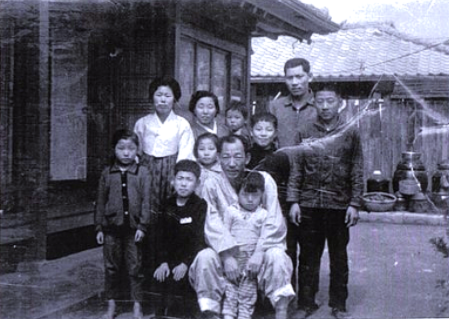
The Bengali joint family once served as an economic and moral unit. Even as nuclear families rise, the psychological structure persists. Education, marriage, and career decisions are often evaluated through a familial filter. Autonomy is treated with suspicion. In such a world, obedience becomes the grammar of affection.
A similar pattern appears in the Confucian family system in Korea. The authority of the eldest male still shapes expectations. In both cultures, women face tighter constraints. Their choices are assessed through the lens of honor, sacrifice, and collective propriety.
Language as Architecture: Deference, Attachment, and Social Control
Korean and Bengali are agglutinative languages, which means they create meaning by attaching particles and endings. This structure subtly trains speakers to think relationally. Sentences must attach correctly, just as individuals must position themselves correctly within hierarchy.
“The body is not simply biological matter but a site where political structures, expectations, and private grief converge.”
Honorific Systems as Maps of Social Position
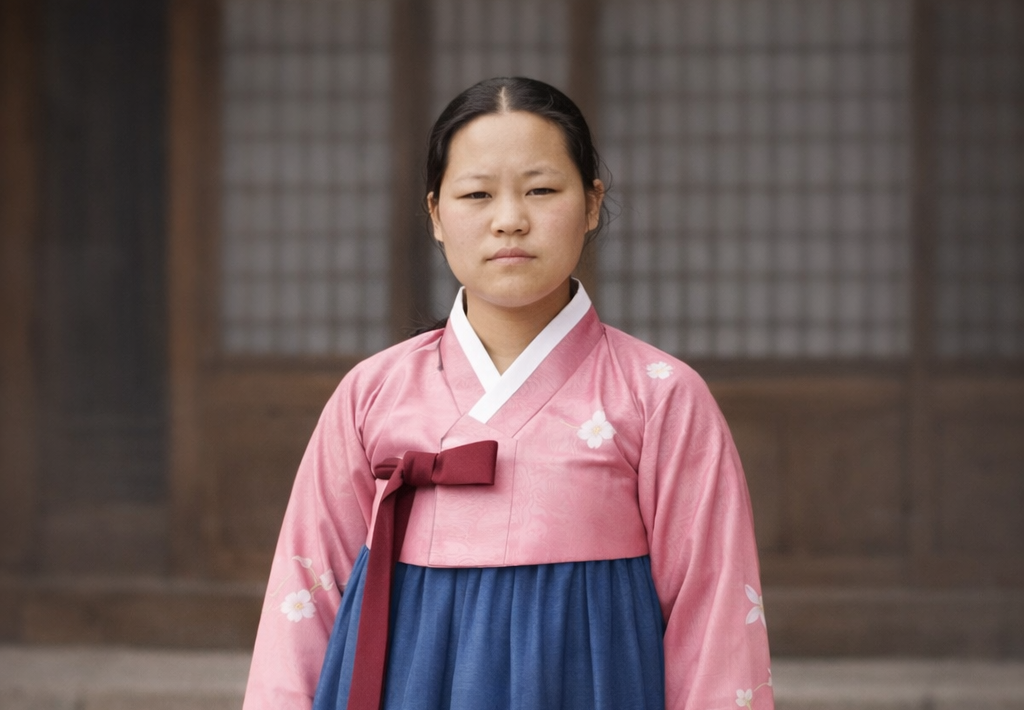
Korean jondaen-mal (존댓말) is not simply polite speech. It is a system that signals respect, humility, and awareness of hierarchy. A simple ending such as -yo can shift the emotional temperature of an interaction. Speech becomes a performance of respect.
Bengali’s system of pronouns – tui, tumi, and apni – maps intimacy and hierarchy with equal precision. Moving from tumi to apni signals distance and respect. Moving from apni to tumi signals emotional closeness or equality. A single shift in pronoun can change an entire relationship dynamic.
Both languages therefore generate linguistic anxiety. Every sentence requires attention to hierarchy, intimacy, and propriety. Even linguistic outbursts, such as the Korean daebak or the Bengali durdanto, appear like flashes of rebellion within cultures that otherwise value restraint.
The Polite Surface and the Violence Beneath
The greatest contradiction in both societies lies in the coexistence of extreme politeness and profound violence. Harmony is preserved not through the absence of conflict but through the containment of conflict.
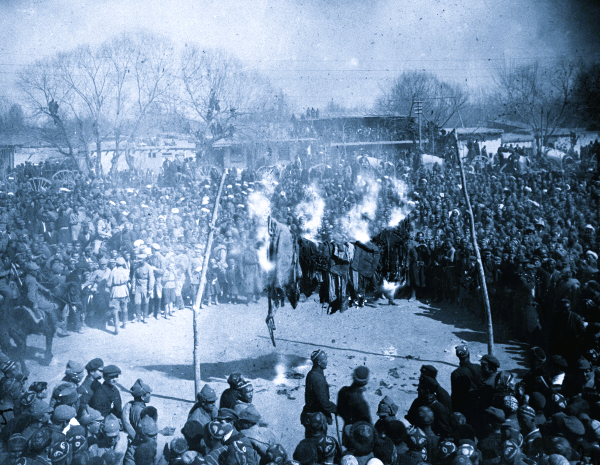
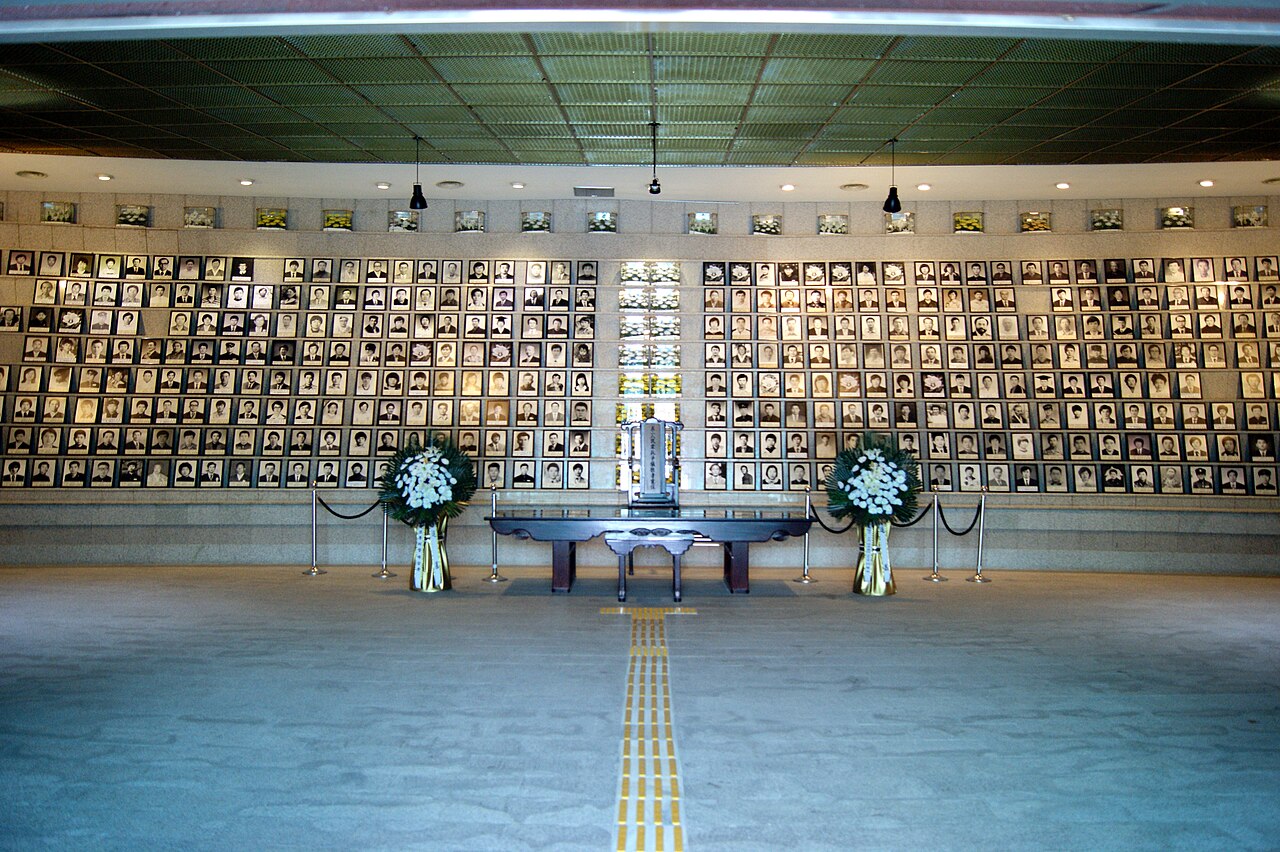
In Korea, the Gwangju Uprising was suppressed in the name of restoring order. Resistance was portrayed as a threat to national unity. In Bengal, the micro-violences faced by women are justified as necessary for family reputation or social stability. In both cultures, violence emerges whenever the individual risks destabilizing the collective’s self-image.
Wounds That Refuse to Heal: Body, Memory, and Resistance
The works of Han Kang, Mahasweta Debi, and Ashapurna Debi expose the cost of collectivist logic. Their writing shows that the body is not simply biological matter but a site where political structures, expectations, and private grief converge.
Han Kang: The Body as Quiet Rebellion
In The Vegetarian, Yeong-hye’s refusal of meat becomes a refusal of social expectation. Her family interprets her choice as betrayal because it disrupts the harmony they believe they must maintain. Her turn to silence and later to vegetal existence becomes a radical gesture. If society demands conformity, she chooses an existence that cannot be disciplined.
In Human Acts, Han Kang reveals how memory becomes a battleground. The fragmented structure of the novel mirrors the fragmented body of the nation. Remembering Gwangju becomes resistance against state-sanctioned forgetting.
Mahasweta Debi: The Body as Indictment
Mahasweta Debi confronts the violence of state power. In Draupadi, the nakedness of the protagonist (Dopdi Mehjen) after torture is not a sign of shame. It is a declaration that the state cannot strip her of dignity. Her body becomes an accusation against the officers and against the middle-class Bengali society that benefits from the oppression of Adivasi communities.
Ashapurna Debi: The Home as a Site of Revolution
Ashapurna Debi reveals how resistance grows quietly within the home. In Pratham Pratisruti, the domestic sphere becomes the ground on which women claim the right to literacy, thought, and selfhood. Her characters challenge rituals and steadily open cracks within the patriarchal household.
Memory, Justice, and the Fragile Architecture of Harmony
Han Kang asks what survives after violence. Mahasweta Debi asks who pays the price for collective order. Ashapurna Debi asks how freedom can grow inside a household built on obedience.
Together, these writers reveal the fragile foundations of collectivist harmony. Silence, suppression, and social discipline maintain the structure, yet they also generate deep fractures. Across their works, every act of remembering becomes resistance. Every refusal becomes a step toward freedom.
These texts remind us that harmony without justice is only a polite cover for violence. True community requires the courage to confront its wounds.
The Author
Reeti Roy is a writer, cultural commentator, and creative entrepreneur whose work explores memory, art, identity, and social justice. She holds a BA in English literature from Jadavpur University and an MSc in social anthropology from the London School of Economics. Her essays and criticism have appeared in numerous publications, including Korean media. In September 2025, she had several international engagements in South Korea, including as keynote speaker at KOTE, Insa-dong, and at the Yeosu Egg Gallery.
Cover Photo: Han Kang. (John Sears, CC BY-SA 4.0)