Survivor of South Korea’s Gulag: Interview with Suh Sung – May 2025

By Shin Gyeonggu I first met Suh Sung nearly 20 years ago, expecting to encounter a man marked by anger and resolution after enduring nearly two decades of imprisonment and … Read More

Navigating Tradition, Change, and Legal Boundaries: Student Activism in South Korea – April 2025

By Yousra Feriel Drioua South Korea’s history is deeply intertwined with student activism, a force that has repeatedly challenged societal norms and governmental policies. From the resistance against Japanese colonial … Read More

Descendants of the March 1st Movement: Generation MZ with Light Sticks – March 2025

“Can the past help the present?” and “Can the dead save the living?” These questions, central to Han Kang’s exploration of the 1980 Gwangju Uprising, resonate deeply in modern South … Read More

The 2022 Human Rights Education Training Program for Sustainable and Inclusive Communities

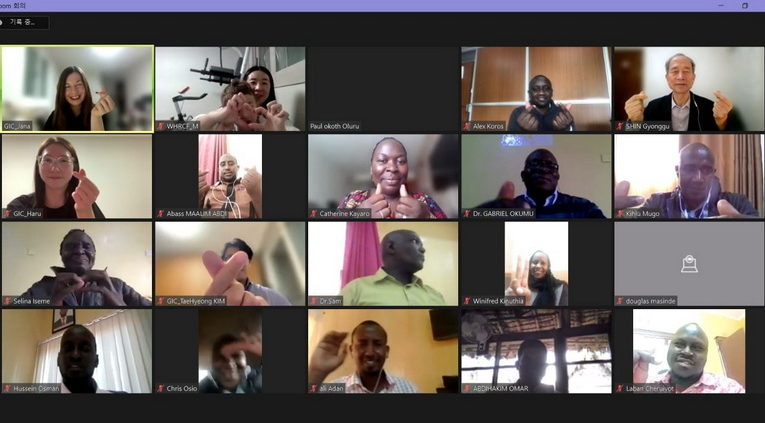
Following the successful completion of the 2021 Online Human Rights Education Training Program for Sustainable and Inclusive Communities in November last year, this year Gwangju Metropolitan City, represented through the Gwangju International Center (GIC), conducted another KOICA Fellowship Program: the CIAT (Capacity Improvement and Advancement for Tomorrow).

The 12th World Human Right Cities Forum: Views from Participants

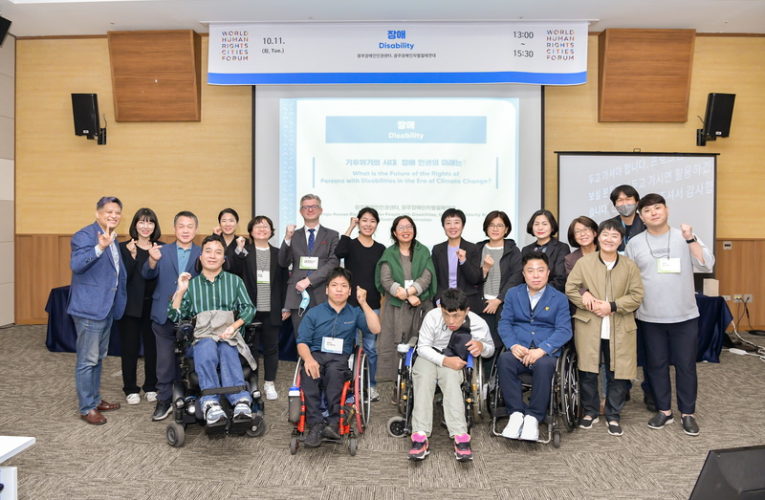
The 12th World Human Rights Cities Forum (WHRCF) was held at the Kimdaejung Convention Center for four days, October 10–13, 2022. During this year’s Forum, 38 programs were organized with 320 domestic and foreign speakers and around 1,800 participants in total. Under this year’s theme, “Climate Crisis and Human Rights,” we concluded that it was important to recognize that the climate crisis could also impact human rights, not just the environment.

Climate Crisis, Displacement, and Human Rights à la Special Rapporteur Ian Fry: Featured Speaker at WHRCF 2022

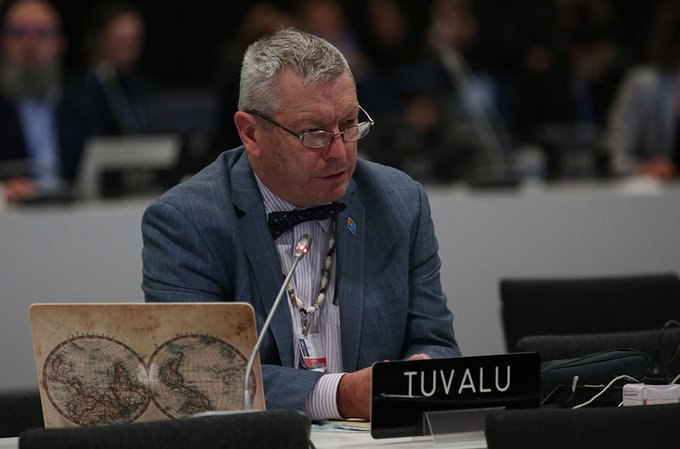
The United Nations Human Rights Council (UNHRC) established the mandate of the special rapporteur on the promotion and protection of human rights in the context of climate change at its forty-eighth session in October 2021 (RES/48/14), following which Dr. Fry was appointed as the first to fill the role in March 2022 and began his duty in May 2022. Among others, the roles of the special rapporteur include studying and identifying the ways in which the adverse effects of climate change affect the full and effective enjoyment of human rights and make recommendations on how to address and prevent these adverse effects, as well as promoting and exchanging views on lessons learned and best practices related to the adoption of human rights-based, gender-responsive, age-sensitive, disability-inclusive, and risk-informed approaches to climate change adaptation and mitigation policies, all of which lead to making Dr. Fry a distinguished speaker at the 12th WHRCF.

Rest in Peace “Jimmy” Kyaw Min Yu

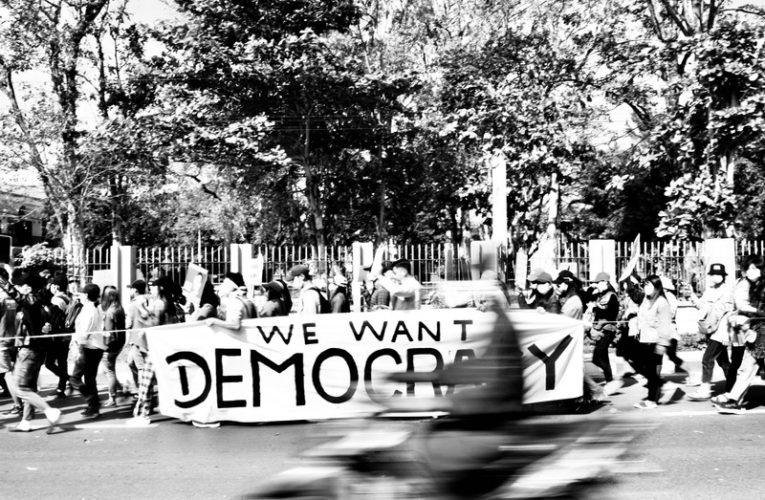
On July 23, 2022, the military in Myanmar secretly executed four leaders of the country’s freedom movement. The martyrs’ families, like the men themselves, were not given advance notice. Final goodbyes were never said. Only after the dictatorship publicly announced the hangings two days later, on Monday, July 25, did the families and the world learn about these cold-blooded murders. To add to the pain, the remains of the deceased have disappeared. The regime is being as brutal as possible in order to make clear that opposition to their rule will result in maximum pain and suffering. Among those killed were some of the most loved and popular leaders of the ongoing movement to overthrow the dictatorship: hip hop artist and elected parliamentary representative, Phyo Zeya Tha, leader of Generation Wave, which followed the 2007 Saffron Revolution; Hla Myo Aung; Aung Thura Zaw; and Kyaw Min Yu – better known to his friends, among whom I count myself, as “Jimmy.”


Why Human Rights in the Climate Crisis Era?

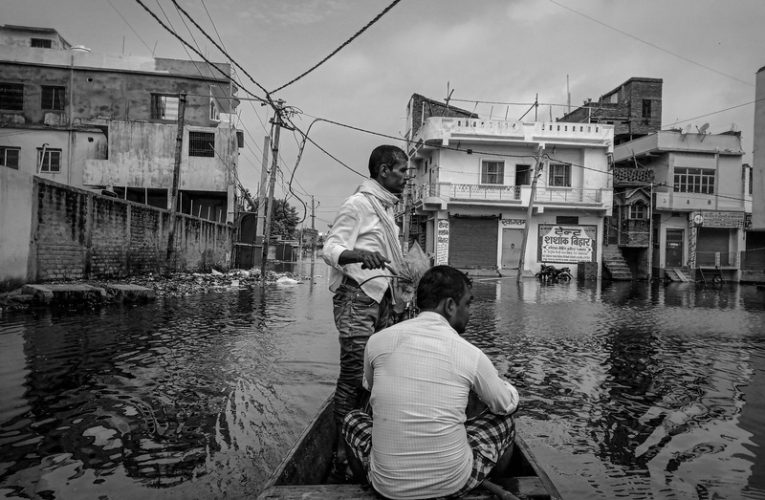
Many scientists have warned that we would face devastating consequences when the temperature rises by 1.5˚C from the level of the beginning of industrialization. Currently, however, we have come closer to that point. Therefore, now is time for us to raise awareness of and take actions against the climate crisis in order to brace for more serious risks in the future.