Meet the World in Gwangju! The 2023 Gwangju International Community Week
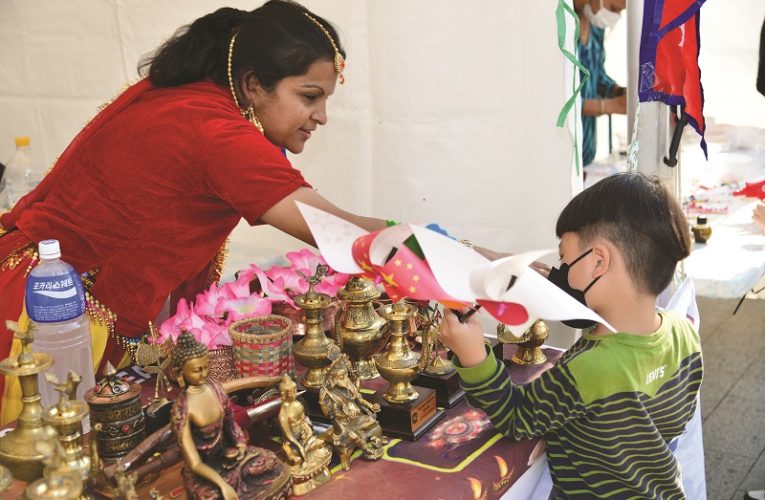
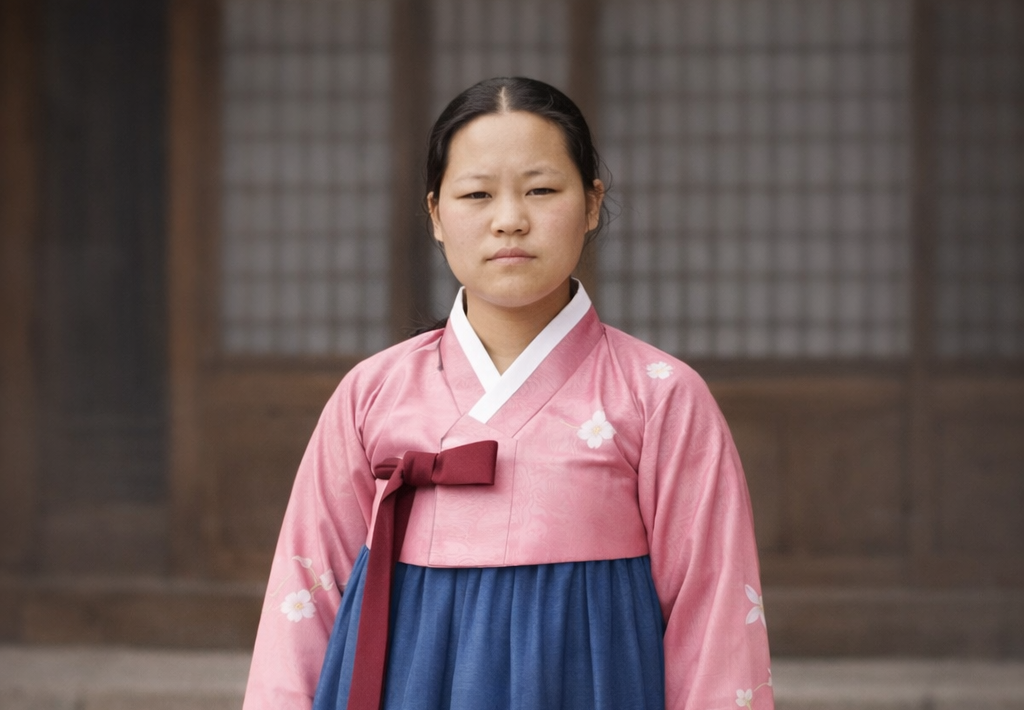
By Kim Sukang Do you like to meet people around the world? If yes, visit the 2023 Gwangju International Community Week from Friday the 6th to Sunday the 8th this … Read More

Published by the Gwangju International Center since 2001

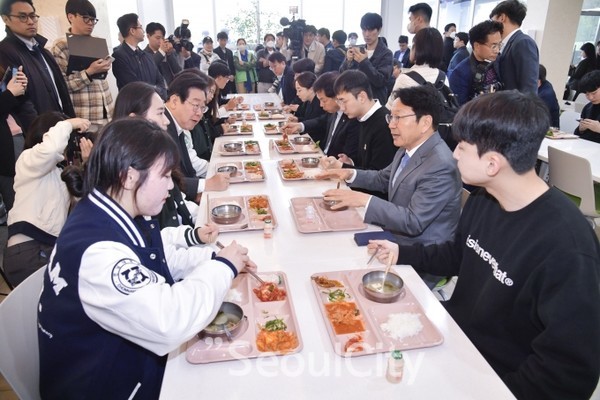
By Kim Sukang Do you like to meet people around the world? If yes, visit the 2023 Gwangju International Community Week from Friday the 6th to Sunday the 8th this … Read More
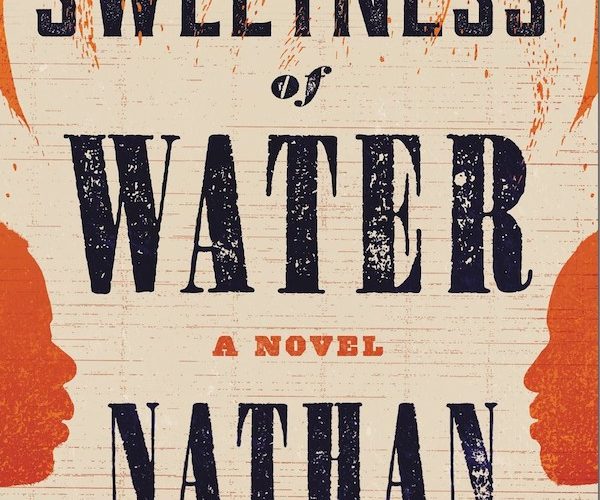
The setting is rural Georgia, USA, shortly after the end of the American Civil War in 1865. It is supposed to be a time of reconstruction, but military victory and defeat, great loss of life, and wounds of war have not established a new and better way of life. Old manners of thinking have deep roots.
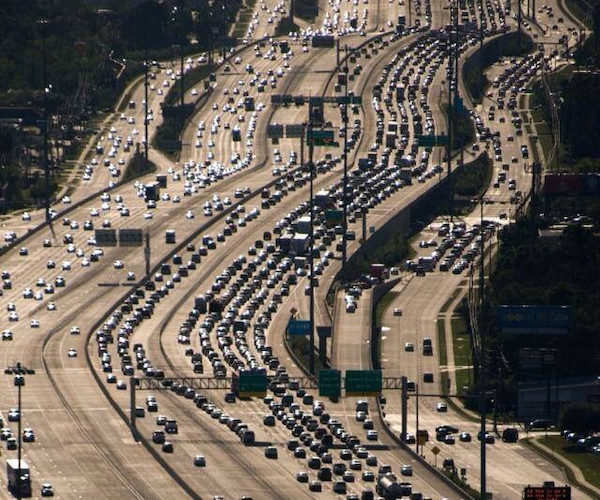
July was the hottest month on record. For several decades now, we have emitted greenhouse gases far beyond sustainable levels. Maybe the attention is finally where it should have been in 1989. Unfortunately, the discourse is almost always dissonant or counter-productive, and it feels difficult for any one of us to do much of anything. We cannot change global policies, and our localities seem inconsequential. We become misanthropic. We feel powerless. We turn to wizards to save us. However, the fault lies not in our stars, but in the logic of the world system, and there are more things in Earth right now than are dreamt of in some tech bro’s philosophy.
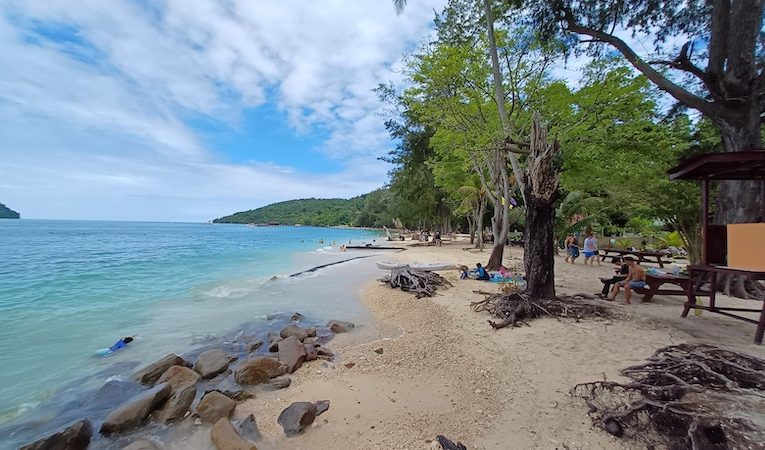
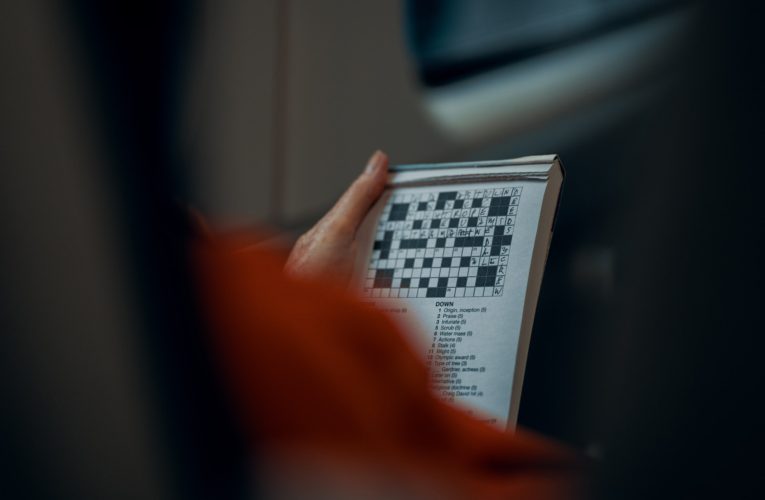
As a young man in Canada, nothing was more riveting, nothing was more important than the first season of the TV show Survivor. It was a cultural phenomenon, uniting people around the globe in their desire to see who would emerge victorious after the final tribal council. One of the fondest memories of my youth was huddling around the television with about ten other people one summer evening to watch Richard Hatch claim the million-dollar grand prize.
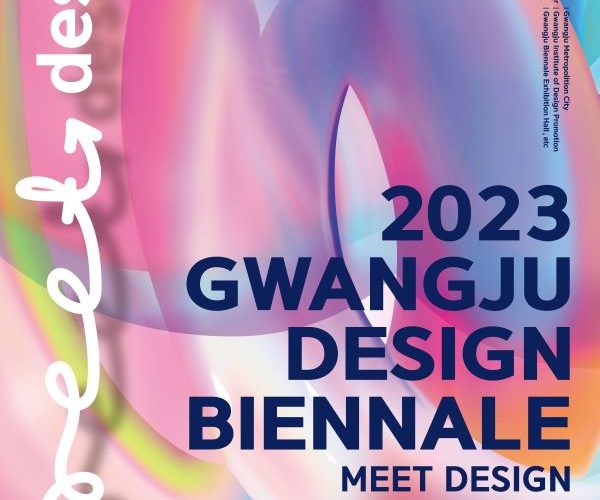
It’s that time of year again: time for the annual Gwangju Design Biennale. This year’s two-month-long exposition runs from September 7 to November 7. The general director of this year’s decennial exhibition is Ken Nah, and the Gwangju News was fortunate to be able to catch up with him for the following interview just prior to the opening of the Design Biennale. — Ed.
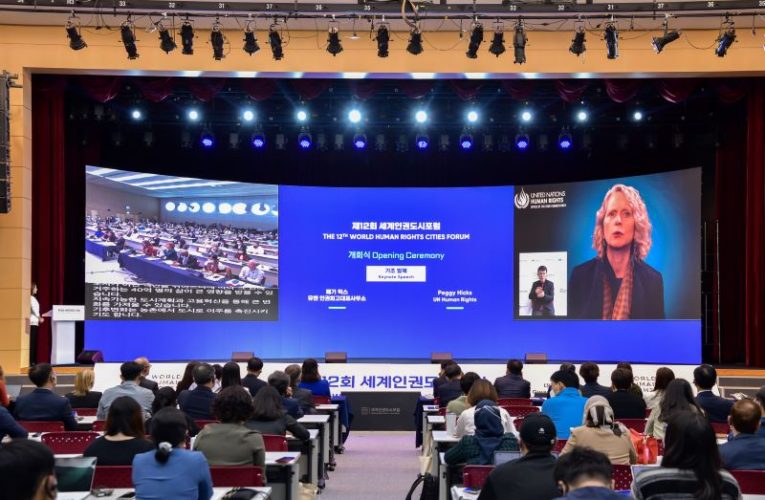
Gwangju will host its 13th World Human Rights Cities Forum from October 4 to 7 at the Kim Daejung Convention Center. This year focuses on the poverty and inequalities that make realizing human rights impossible. To highlight the crisis: 600 million people will live in extreme poverty by 2030. The recent pandemic shows how inequalities in damage and recovery go far beyond one person having a nicer television than his neighbor. Jobs, lives, vaccine distribution, and even the economic and social fabric of entire communities are on the line.
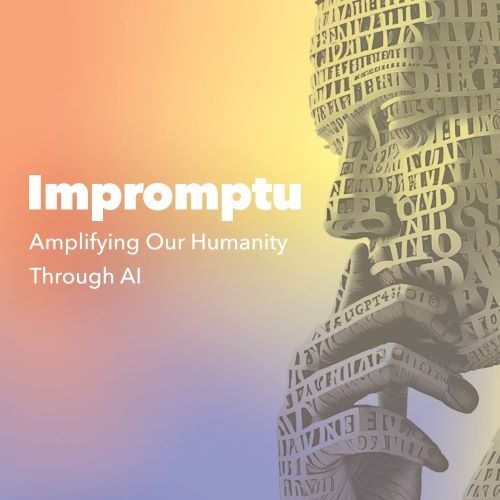
Reid Hoffman is an American internet entrepreneur, venture capitalist, podcaster, author, and billionaire. He was the co-founder of LinkedIn, the business-oriented social network. He is an unabashed believer in the potential of AI to not only create a better world but to spawn more enlightened humans. In his book, Impromptu, he explains his reasoning and provides detailed statements created by GPT-4. In this review, I want to be as minimally technical as I can. But I think it is important to understand that GPT-4 refers to Generative Pre-trained Transformer 4, which is a ‘Large Language Model’ created by OpenAI.