




Friendship Cities: City-to-City Cooperation – Gwangju and Qingdao
By Li Aoding
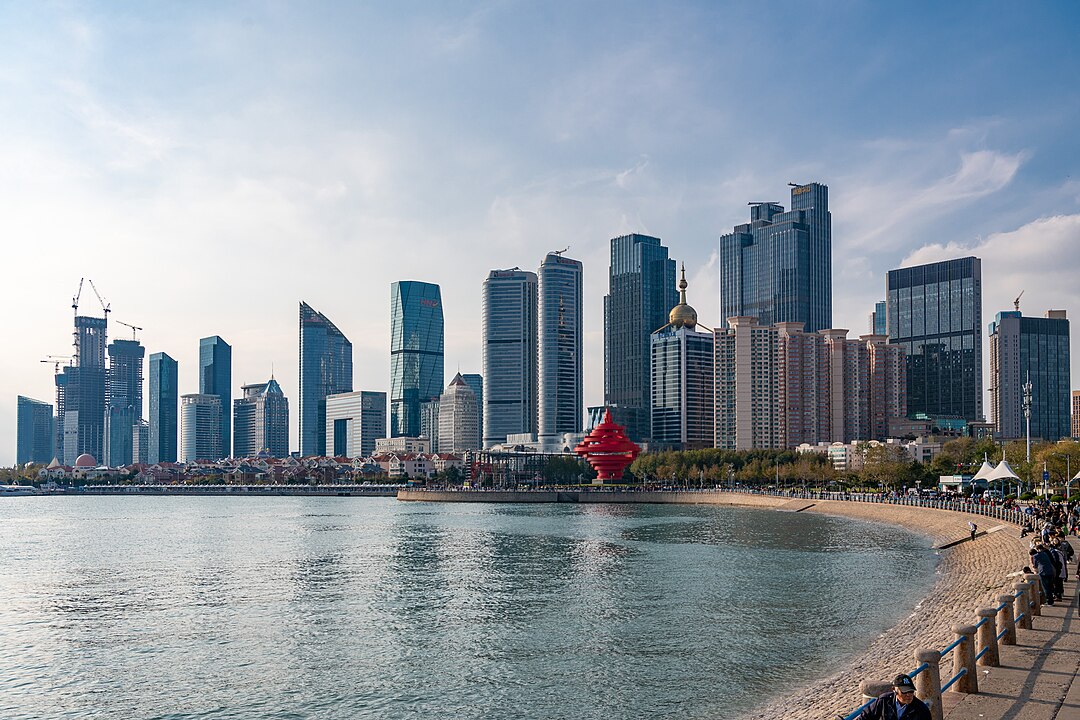
In November of 2024, the Gwangju government signed a friendly cooperation agreement with Qingdao (aka Tsingtao), a historic coastal city with a profound cultural heritage. This agreement completed Qingdao’s partnerships with all six major South Korean metropolitan cities. Qingdao is a major seaport and naval base in East China’s Shandong Province, as well as a commercial and financial center. Meanwhile, Qingdao is also one of the world’s top 50 cities for global scientific research as tracked by the Nature Index.
In 1897, Qingdao was occupied by Germany, which greatly influenced the city’s architecture and culture. The Germans built roads, churches, and the famous Tsingtao Brewery. After World War I, Qingdao was returned to China, and since then it has grown into a modern, international port city, known for its unique mix of Chinese and Western styles.
One of the city’s most iconic symbols is Tsingtao Beer, which was first brewed by German settlers in 1903. Today, it remains one of the best-known Chinese brands around the world. The Tsingtao Beer Museum is one of Qingdao’s most popular attractions, where visitors can learn about the beer-making process, see old brewing equipment, and experience the evolution of the Tsingtao brand over more than a century. The tour ends with a tasting session, where guests can enjoy freshly brewed beer straight from the factory. Every summer, the Qingdao International Beer Festival attracts visitors from across the globe. During the festival, the city turns into a lively sea of laughter, music, and beer tents, where people can enjoy fresh local brews and international favorites by the seaside.
Qingdao’s food culture is another highlight. Fresh seafood, dishes such as stir-fried clams, grilled squid, spoon worm topping rice, sea food dumplings, and steamed prawns are local favorites. In the traditional markets and small seaside restaurants, you can find authentic Shandong-style cooking that emphasizes freshness and natural flavors. Pairing seafood with a cold glass of Tsingtao beer and swimming in the sea has become a must-try experience for any visitor.
For those who love nature and history, Laoshan Mountain on the city’s outskirts is a must-see. Known as one of the birthplaces of Taoism, it offers beautiful hiking trails, ancient temples, and panoramic sea views. The area combines a spiritual atmosphere with breathtaking landscapes.
Qingdao is easily accessible from South Korea, with several direct flights operating daily between major Korean cities and Qingdao Liuting International Airport. The flight takes about one- and-a-half hours, making Qingdao one of the closest Chinese destinations for Korean travelers. In addition to air travel, there are also regular ferry services connecting Incheon and Busan with Qingdao Port, offering a scenic and relaxing way to travel across the Yellow Sea. The convenient transportation has helped strengthen cultural and economic exchanges between Qingdao and South Korea. Since China introduced a visa-free policy for South Korean travelers, Qingdao has become one of the most popular destinations among Korean tourists. Thanks to its short flight distance, rich seafood cuisine, and cultural similarities, the city attracts a growing number of visitors from South Korea every year.
Today we live in a world where people can communicate, travel, and migrate to all corners of the world, while sister-city relationships have traditionally been developed for diplomatic, cultural, or educational purposes, in today’s economic climate, there is a growing need for cities to expand and leverage partnerships for economic development. Known as the city of culture and arts in South Korea, Gwangju was designated as South Korea’s cultural capital by the South Korean Ministry of Culture, Sports, and Tourism in 2004. Since 2011, Qingdao and Gwangju have interacted frequently, with rich exchanges in economy, trade, environmental protection, and culture.
Cooperation is also taking place in the area of academia, with Gwangju University and Qingdao Binhai University having an academic exchange agreement, and in the medical sector, Gwangju Metropolitan City and Chonnam National University have participated in a joint mission to Qingdao in 2024 to promote medical exchanges.
With its rich history, vibrant cultural scene, stunning coastal landscapes, and world-famous cuisine and beer, Qingdao offers a unique experience that blends tradition and modernity. The close partnership between Qingdao and Gwangju continues to strengthen people-to- people connections, economic cooperation, and cultural exchange. As more visitors from South Korea and around the world discover Qingdao’s charm, this city-to-city relationship serves not only as a bridge of friendship but also as a platform for shared growth, mutual understanding, and lasting collaboration. Whether for tourism, business, or cultural exploration, Qingdao warmly welcomes everyone to experience its sea, food, and history firsthand.
The Author
Li Aoding, originally from China, is a PhD student at CNU. She loves to live a vivid life and cares about lives. She has lived in South Korea for more than seven years, and she lives a happy life with four cats.
Cover Photo: Qingdao Port, on the Yellow Sea and near to Korea, is one of the ten busiest ports in the world. (xiquinhosilva, CC BY 2.0)