


Gwangju’s Penguin Village: A Walk Through Time and Art
By Arifa Batool
On a bright August morning, I visited Penguin Village, and it turned out to be one of the most unique places I have ever seen. Hidden in Yangnim-dong (양림동) in Gwangju’s Nam-gu district is this little neighborhood that has changed from an old, quiet area into a lively open-air art space. Every wall, alley, and corner carries a mix of history, memories, and creativity.
My First View
As soon as I entered, I felt like I was stepping back in time. The streets were narrow and peaceful, but full of bright paintings, decorations, and handmade displays. Old objects like radios, clocks, typewriters, shoes, and even broken furniture were placed along the alleys as if they were part of an exhibition. Instead of throwing them away, people turned them into art. The whole place felt warm and personal. Different from usual tourist spots, it carried the effort and love of its residents.
The Story Behind the Name
At first, I was curious about why this place was called “Penguin Village.” The name sounded playful but unusual for a city neighborhood. Later, I learned that it came from the way elderly people in the area walked. Because of their age, they moved slowly, taking short and careful steps. Their walk reminded people of penguins, moving gently and steadily. Instead of feeling embarrassed about it, the locals embraced the name with humor. They proudly kept it as a part of their identity. What once looked like weakness was turned into a symbol of strength. Today, the name represents unity, resilience, and community spirit. For visitors, it is both touching and inspiring to see how an ordinary habit became a meaningful name.
Creativity Everywhere
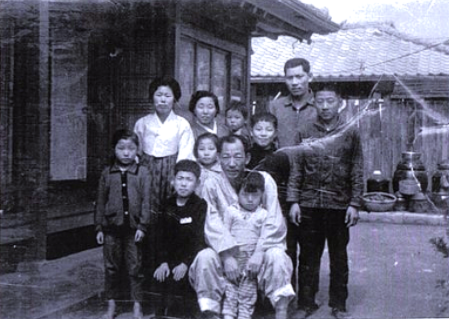
While walking around, I noticed that the art here was simple but meaningful. Colorful penguin drawings decorated the walls, small sculptures were made from recycled items, and even old school desks were painted with doodles and poems. One corner showed family photos of people who had lived in the village for years, giving the place a very personal and homely touch. It was clear that this art grew naturally from the community’s own memories and not from outside influence.
Walking Through History
For me, walking through Penguin Village felt like stepping into different times at once. I could see the past in the old objects, like vintage radios, clocks, and family photos that told stories of the people who had lived there. The present was visible in the bright murals, colorful decorations, and creative displays made by the local artists. Even the small streets and alleys seemed alive with energy. The future was in the young visitors who walked around with curiosity, taking pictures, drawing, and enjoying the village. It made me realize that beauty is not only found in new buildings, big attractions, or fancy places. True beauty can also be found in simple acts of care, creativity, and the effort of people who want to keep their memories and history alive. Penguin Village showed me how the past, present, and future can exist together in one place. It reminded me that every small object, every painting, and every smile can make a place special.
There are a few cafés near Penguin Village in the Yangnim-dong area, though the village itself doesn’t have many cafés within its narrow alleys. However, the surrounding streets offer several cozy spots to relax and enjoy a drink after exploring the village.
A Sweet Pause
One notable café is Quokka Café, located near the entrance to Penguin Village. This charming café is known for its delightful manjoo (만주), a traditional Korean cream-filled pastry shaped like a penguin. It is a perfect spot to take a break and enjoy a sweet treat while soaking in the artistic atmosphere of the area.
A Quiet Ending
When I reached the end of the village, the sun was slowly setting, painting the sky in golden colors. I stopped for a while to take in the scene: small homes turned into colorful galleries, old objects turned into stories, and an ordinary neighborhood turned into something special. My visit to Penguin Village was more than just a trip; it was a reminder that even the simplest places can carry powerful stories if we take the time to notice them.
| Penguin Village (펭귄마을) Address: 7-1 Yangnim-dong, Nam-gu, Gwangju Open: Daily, 24 hours (open-air village) Admission: Free |
The Author
Arifa Batool is a researcher and writer based in Gwangju. An anthropologist by profession, she has published multiple research articles in her field. She has been living in Gwangju for a year, following several earlier visits. With a passion for exploring culture and community life, she enjoys documenting unique local experiences and uncovering hidden stories that connect history, art, and everyday life.