


The Forgotten Side of Expat Life in Korea: Mental Health Challenges
By Erva Ozkan
What does it mean to build a life in a country where the language, culture, and system feel completely different from your own?
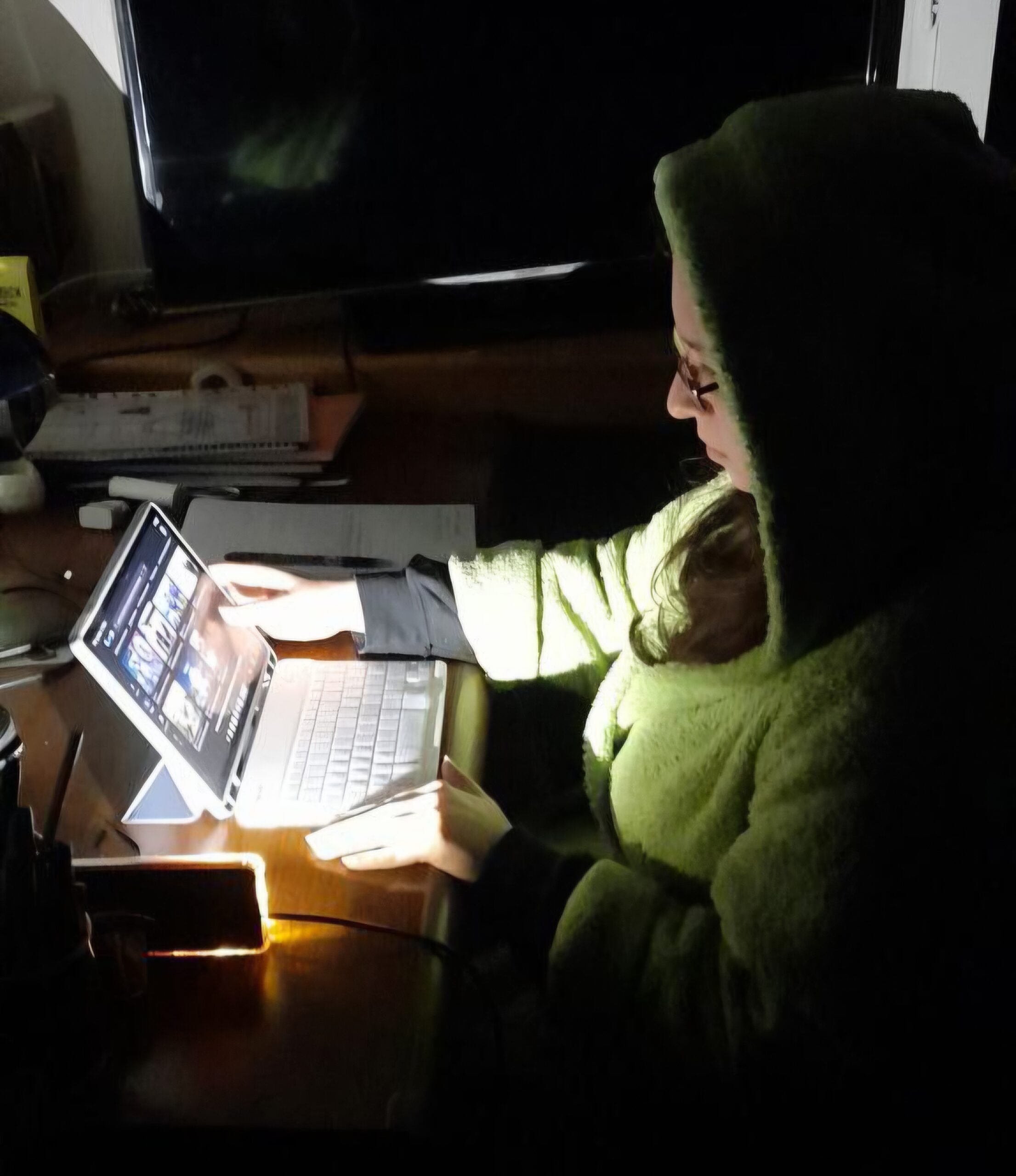
During my first year in Korea, I sat in the laboratory (I was the only Westerner), listening to people talk and laugh around me. When I returned to my dorm and picked up the phone to speak with my mother, I realized it was the first word I had spoken all day. This isolation eventually ended up as major depression. Living far from home, it’s easy to feel a silence and a loneliness that can weigh more heavily than anything experienced before. While moments like this are deeply personal, they hint at a side of expat life rarely seen from the outside.
Expat life in Korea is often portrayed as glamorous: neon-lit Friday nights, weekend trips across Asia, new friendships, K-drama romance, and career opportunities. To outsiders, it looks like an endless adventure, full of discovery and opportunity. But there is another side to the story, one that is less visible and rarely discussed. What may seem like minor frustrations on the surface often add up to something much deeper. Individually, these struggles may seem small, but together they reflect the challenges described in psychologist Abraham Maslow’s hierarchy of needs: physiological, safety, belonging, self- esteem, and self-actualization. For expats, each layer can become unexpectedly complicated, with real consequences for mental health.
Physiological Needs
The most basic needs – food, shelter, and clothing – can feel like mountains to climb. Imagine a menu where every word is unfamiliar, the only clue a small photo. At first, it feels like an adventure, but over time the uncertainty becomes a daily burden. Some expats struggle to find food that fits their diet or cultural comfort; others must order clothing, shoes, or makeup from abroad because local options are limited.
Housing adds another layer of stress. Korea’s system requires massive deposits, often inaccessible to foreigners. Even with steady income, loans and scholarships may be out of reach, and language barriers make contracts and negotiations daunting. Moving apartments can feel overwhelming when finances, cultural differences, and fear of miscommunication collide. Small frustrations can grow into chronic anxiety, and for some, this ongoing struggle fuels helplessness, a powerful driver of depression.
Safety Needs
Safety is not only about physical security but also about stability. For expats, visas and job contracts often bring uncertainty. Unlike citizens who can fall back on family or a home base, many expats live with the knowledge that their future in the country could change with a single piece of paperwork.
Healthcare in Korea is efficient and affordable, but finding English-speaking doctors is not always easy. Without clear communication, patients may not fully understand their diagnosis or treatment options. This lack of clarity chips away at a sense of security, especially when health is at stake.
Living with constant uncertainty about visas, jobs, or healthcare activates the body’s stress response and can lead to insomnia, hypervigilance, or feelings of panic. Over time, this insecurity erodes resilience and fosters generalized anxiety or burnout.
Belonging
This is where loneliness becomes most visible. The isolation I felt in my first years here was not just about language; it was also about social dynamics. Even when expats are present, conversations often revert to the local language, leaving foreigners on the outside. Building relationships takes time, and even when they’re formed, they can be fragile.
Many expats are on temporary paths: completing degrees, finishing contracts, or pursuing short- term opportunities. This constant turnover creates friendships that are often transient. Expats learn to expand their networks quickly, but sustaining deep, long-lasting bonds can be exhausting.
Humans are social beings, and loneliness is more than a passing emotion; it has measurable impacts on mental health. The isolation that expats often experience can lead to depression, social anxiety, or even identity confusion. Without a stable support network, recovery from setbacks becomes harder, leaving individuals more vulnerable to prolonged distress.
Esteem
Without stable access to basic needs, safety, and belonging, self-esteem is fragile. Imagine not knowing where you’ll live next year or whether your visa will be renewed, while navigating workplace dynamics where you may be underestimated or dismissed for being different. In academia or professional spaces, subtle biases and cultural misunderstandings gradually erode confidence. Being repeatedly “othered” can lead to internalized shame, chronic self-doubt, and low self-worth, which are all linked to depression and anxiety and affect how expats engage with opportunities, friendships, and personal goals.
Self-Actualization
Reaching the top layer of Maslow’s hierarchy, self-actualization is the most challenging layer for expats. Many arrive in Korea full of excitement, eager to grow their careers or discover new possibilities. But when basic needs remain unstable, expats often get stuck in “survival mode.”
At the top of the pyramid lies growth, creativity, and fulfillment, but these cannot flourish if the lower levels are compromised. The gap between expectation and reality is fertile ground for existential anxiety and long-term dissatisfaction.
Why These All Matter for Mental Health
Each layer of Maslow’s hierarchy shows how unmet needs fuel psychological distress. Insecure housing, unstable visas, lack of belonging, and fragile self-esteem all contribute to chronic stress, anxiety, and depression. These issues are not isolated events but interconnected pressures that shape the expat mental health landscape.
Expat life in Korea can indeed be rewarding. But unless we acknowledge the hidden challenges, we risk leaving these struggles in the shadows. Greater awareness, accessible resources, and open conversations are essential to create a healthier environment for foreigners living here.
For expats themselves, seeking community, practicing self-compassion, and reaching for professional help where possible can help. For host societies, building systems that welcome diversity and provide inclusive support is equally vital.
Living abroad is not just about adventure; it is about navigating invisible battles. And acknowledging those battles is the first step toward ensuring that expats can not only survive but truly thrive.
The Author
Erva Ozkan is a human being exploring the human experience. Drawing on years abroad, she reflects on resilience, connection, and growth, sharing insights with humility and thoughtfulness while seeking to understand life’s challenges and joys. You can find more of her work on Instagram: @ervaozzkan
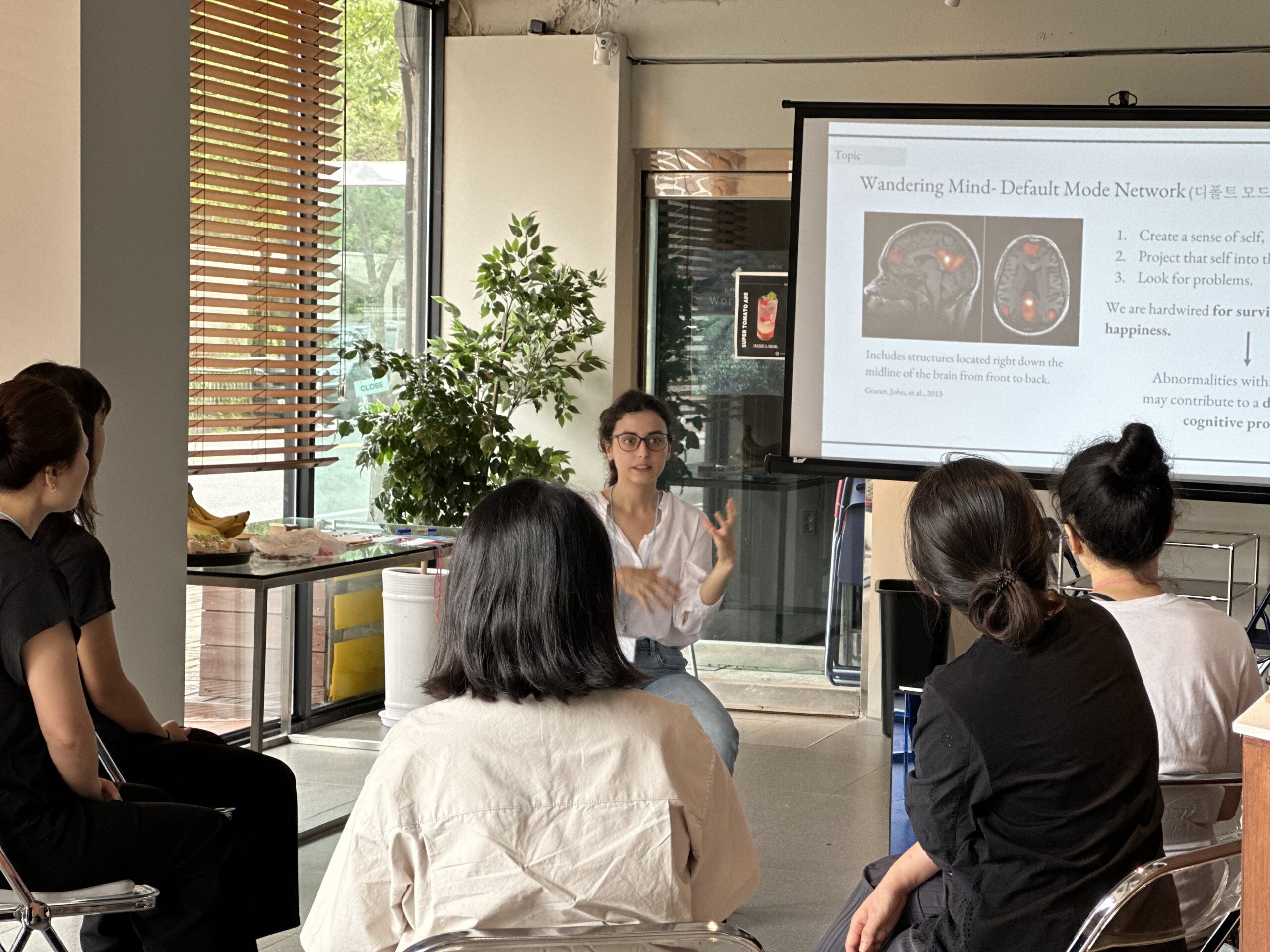
Cover photograph courtesy of Erva Ozkan.