

Inside the Gwangju News: Reader, Writer, Reviewer – Michael Attard
This column features each month one of our regular writers for the Gwangju News, allowing our readers to get to know them better. This month’s interview focuses on Michael Attard, long-time bookreviewer for the Gwangju News. — Editor
Gwangju News (GN): Hello, Michael. Thank you for making time for this interview. You’re a longtime book review columnist for the Gwangju News, and you review books of a wide variety of genre and topics. What might your favorite genre or topics be?
Michael: My favorite genre is historical fiction. I have always believed that for society to be able to create a promising future, citizens must have a knowledge of and an understanding of what previous generations have experienced, endured, and created. For me, those without a sense of history cannot understand the present or be fully grateful for what they have. Thus, when an author is able to bring the past to life, the reader is able to gain both a better understanding of the world and themselves.
GN: You must have quite a collection of books at home. How do you acquire your books – do you purchase them locally or possibly online?
Michael: There used to be a book store in Seoul called “What the Book,” but it suddenly closed in 2019. They had a large selection of English language books and provided quick and cheap delivery. Since then, I have used Amazon, buying a few books at a time. But recently Amazon has required a custom clearance number if books are sent from the US to Korea. Apparently, this is for Koreans only, so I always need my wife’s help.
At other times, when I travel abroad, I search out local bookstores. I generally have a few titles in mind but have found many interesting books through simple browsing. A third source of books is a good friend who belongs to an English reading book club. She is not as emotionally attached to her books as I am, and she generally passes them on to me.
GN: You’ve lived in Gwangju for quite some time now, but I wonder what you did before coming to Korea, and what it was that made you decide to cross the Pacific and come to Korea?
Michael: I was fifty years old when I came to Korea, so I had had various jobs in Canada. After graduating university with an arts degree, my first full-time job was an inventory control clerical position, working in a large grocery distribution center. After five years, I changed companies but stayed in the same business, taking on at first a supervisory role, followed by a management position. Eventually this treadmill wore me down; I quit my job, sold my house, and moved to a theater town called Stratford in western Ontario, Canada. There, I opened a bed-and- breakfast. I purchased an old Victorian home, and I could accommodate up to nine guests. But this business was seasonal, and I found myself back in the grocery business, this time in retail. My wife and I continued to run the bed-and- breakfast over nine seasons.
In 1998, I began studying for my mutual fund license, and a few years later, I became a certified financial planner. But basically, I had become a salesman, and after a few years, this job too was wearing me down. I started looking for something else. Nothing appealed to me. But every day when I looked in the newspaper, I saw the same advertisement: Teach English in Asia. Well, one day I followed up on the ad, and the rest is history.
GN: In addition to your many book reviews, you have written an article on your recent trip to Iceland (Gwangju News, August 2025) as someone who enjoys “adventure travel.” Where else have you adventured to internationally? And what about within Korea?
Michael: I have been to five continents. Australia and Antarctica are still on the bucket list. My first real adventure was in 1972–1973, when I traveled in western Europe and North Africa. It was a different world then, and I’ll always remember crossing part of the Sahara Desert – from what at that time was the Spanish Sahara – into southern Morocco. There was no road, only tracks, and I was perched on top of a truck, holding onto ropes so I wouldn’t fall off.
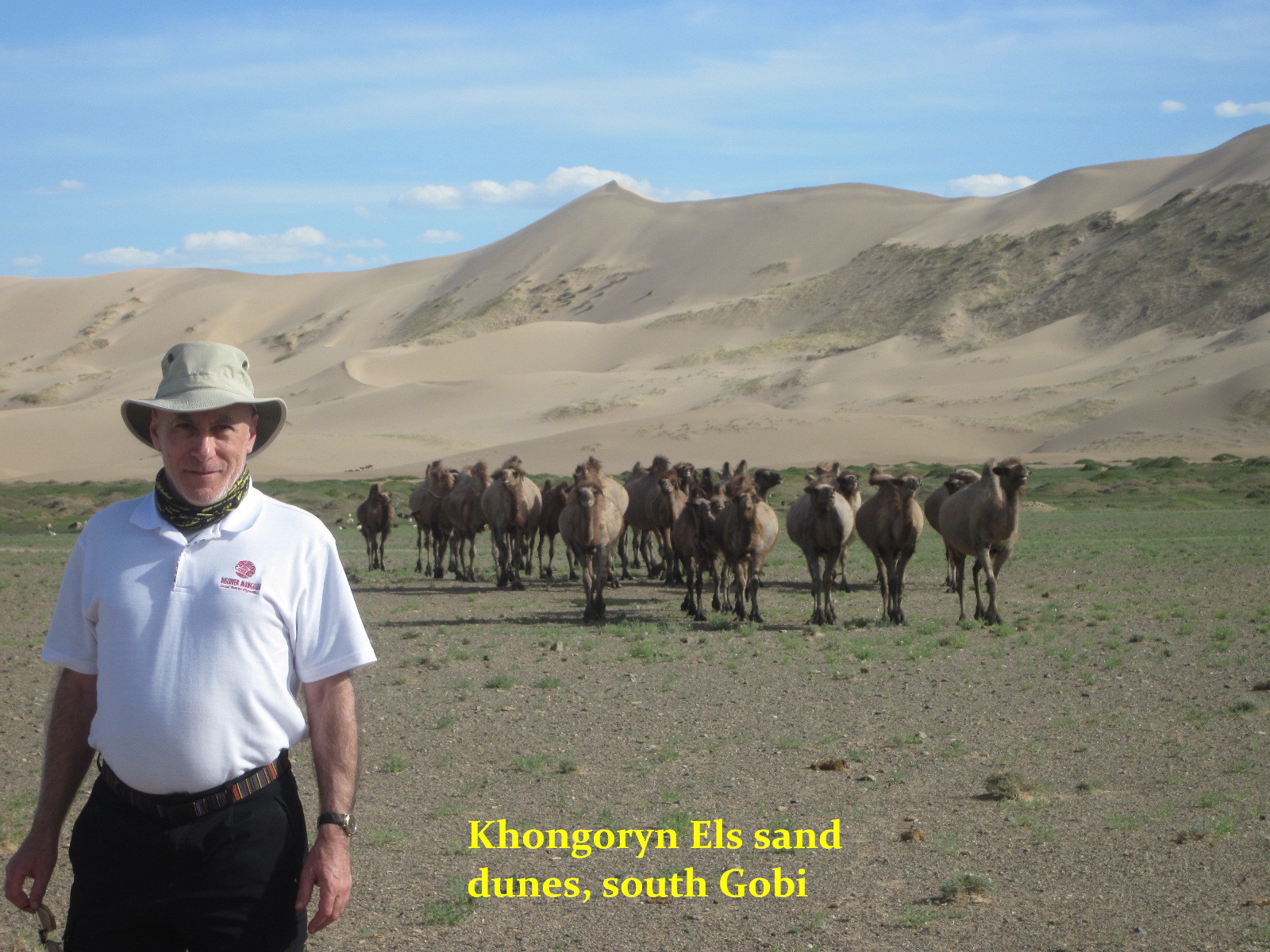
My pace of travel picked up after I retired. I had a wonderful adventure in Mongolia, traveling from close to the Chinese border in the Gobi Desert all the way north to just shy of Russia. As a young boy, I longed to travel the Silk Road, and my trip to Uzbekistan, fulfilled this dream. There have been many trips within Asia, and I have traveled to more than 30 countries.
GN: That is quite a travel resumé! You just mentioned that you are now retired. As a final question – actually, a two-part question: Did you spend your working days in Korea as an English teacher, and what do you do now in retirement, in addition to reading?
Michael: I love the life of a retiree. Other than teaching English, I have had no other jobs in Korea. Most of the time, I worked for the Gwangju Board of Education as part of the EPIK program. When I first arrived in Korea, I worked at an English academy for two years. I finished my career at an English reading room, where I didn’t need to deal with class management.
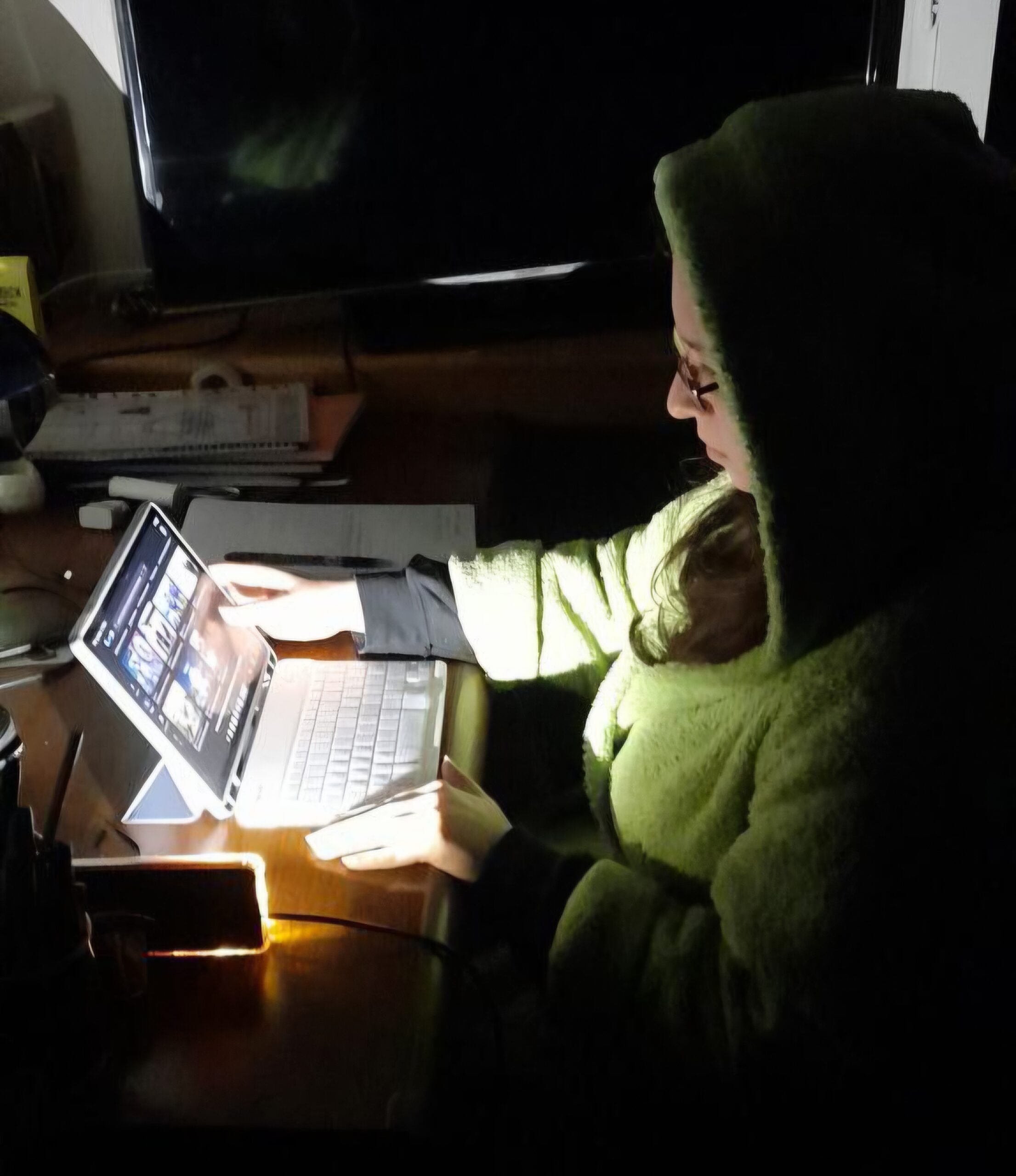
Now that I am retired, it is important to me to stay in touch with people. Each month I make a point of seeing friends, either for lunch or on a Saturday night for a few beers. At home, in addition to always having a book on the go, I have been studying Korean. Sometimes this seems futile, but I keep trying. I have a good friend who I meet once a week for Korean conversation, in return for an English lesson for her daughter. I like to stay physically active, generally hiking when the weather is fine. And often I am planning my next trip abroad.
GN: Thank you for giving us a look into the life of Michael Attard. We look forward to many more interesting book reviews from you – and a future article on your travels to Australia and Antarctica!
Interviewed by David Shaffer.
Cover Photo: In Mongolia, with the camels of the Gobi, in 1917. (Michael Attard)