


Routine Life Takes 180° Turn in a Second: My Journey Through the Korean Healthcare System
By Dhivyaa S. P.
Sometimes, it only takes a fraction of a second for life to change entirely. For me, that moment came unexpectedly as I twisted my ankle while descending the stairs at my university. As I stumbled, a small voice inside my head whispered, “This time, it’s for real.” I barely had time to process what was happening before pain surged up my leg, sharp and unforgiving. A crowd gathered, but the noise around me blurred. Tears welled up uncontrollably.
I somehow managed to call 119. Thankfully, my year-long Korean language study paid off. I managed to explain the situation and shared my location. Within minutes, paramedics arrived, checked my vitals, and carefully helped me down the remaining stairs. They took me to a nearby hospital by ambulance – a first-time experience that felt both frightening and surreal.
At the hospital’s emergency ward, the medical staff collected my basic information and provided me with hospital attire. An initial series of X-rays was conducted, followed by a physical examination of my foot, to which I could only respond with an instinctive expression of pain. The attending physician then informed me that I would be admitted. That marked the beginning of a rapid sequence of further diagnostic procedures, including additional X-rays not only of my ankle but also of my chest and hips, followed by an MRI for the ankle.
While the medical staff were professional and kind, the language barrier became my biggest obstacle. I could understand basic Korean, but fear, pain, and financial worries clouded my focus. No one explained my condition in detail, which deepened my anxiety.
Soon, I was moved to a six-person room. In the evening, the orthopedic specialist visited and explained (as best he could) that I had torn two out of three ligaments and recommended surgery. That night was lonely. My two friends left, and as darkness fell, panic set in. It was my first surgery. Nurses came in to explain admission procedures and provided several documents – everything in Korean – for me to sign. I was instructed not to eat or drink after midnight. Blood samples were taken for further tests. At 5 a.m., a nurse gave me a pre-surgery drink but still couldn’t confirm the surgery time.
Later that morning, my professor visited. She met the doctor, confirmed the surgery was necessary, and finally provided clear explanations. I felt immense relief. Additional heart and lung ultrasounds were conducted as part of emergency admission protocol.
Shortly thereafter, a nurse informed me that it was time to proceed to the operating room. My professor walked with me until the entrance of the operating room, and held my hands – a moment of assurance I will never forget.
Upon arrival at the operating room, I changed into standard surgical garments and was prepared for the procedure in a cold and sterile environment. Observing the large surgical lights above, I was unable to suppress my tears. Noticing my distress, a nurse kindly comforted me in Korean, while another staff member offered brief but reassuring words in English, stating, “Don’t worry.” Just two words – but at that moment, they were everything. Soon after, anesthesia was administered, and I lost consciousness.
… … …
When I regained consciousness, the surgery had been completed successfully. I was transferred first to an observation ward for monitoring and then returned to my hospital room. The immediate postoperative period involved strict restrictions, including fasting until late afternoon and avoiding any sudden movements to prevent nausea. Throughout this time, I remained under the influence of strong pain medication and received continuous care from the nursing staff, who monitored my vital signs, changed IV lines, and administered painkillers as required.
The doctor informed me that I would need to stay for two weeks. Life in the hospital followed a routine:
- Meals at 8 a.m., 12 p.m., and 5:45 p.m.
- Hair wash service every other day.
- Visiting hours from 6 to 8 p.m.
- Access to shower rooms and a reading room (though books were in Korean).
- Vital checks three times daily.
- Rehabilitation center sessions to learn crutch walking.
Though the nurses were generally kind, many hesitated to speak due to my limited Korean. However, two nurses regularly checked on me, offering small talk that touched my heart deeply.
Emotionally, the solitude began to wear on me.
Two weeks in the hospital, away from family and navigating an unfamiliar language and healthcare system, was overwhelming. Thankfully, my friends visited often, keeping my spirits afloat.
“As an international student far from home, facing not only injury but also language and cultural barriers, it was undoubtedly challenging.”
For payment, my National Health Insurance covered 67 percent of the costs, and with my professor’s help, I also received a doctor’s discount of about 10 percent. Before discharge, I requested all my medical records, including MRI, X-rays, and ultrasound images, be provided on a CD for a separate fee.
Looking back, the experience was a roller coaster – physically, emotionally, and mentally. As an international student far from home, facing not only injury but also language and cultural barriers, it was undoubtedly challenging. But through this hardship, I also discovered the efficiency, thoroughness, and compassion embedded in the Korean healthcare system.
A surprising silver lining: The hospital stay offered the quiet and time to complete drafts of two research papers. Even amid pain, productivity prevailed.
In the end, I walked – or rather, “crutched” – away, not just with healing ligaments but also with a newfound resilience and gratitude for the support I received. The kindness of medical staff, friends, and my professor reminded me that even in a foreign land, you’re never truly alone.
Tips for Foreigners Navigating Korean Hospitals
- Always carry your Alien Registration Card (ARC). – It will be required for identification and insurance.
- Learn basic Korean medical terms. – Knowing how to explain pain or injury can be invaluable.
- National Health Insurance (NHIS.) – If you are enrolled, it covers a significant portion of medical expenses.
- Ask for translators. – Some hospitals offer volunteer or paid translation services.
- Stay calm and ask questions. – Even if language is a barrier, seek clarification on procedures.
- Make document requests. – Specify in advance which records you want before discharge.
- Stay connected. – Having a Korean-speaking friend or professor can ease the process immensely.
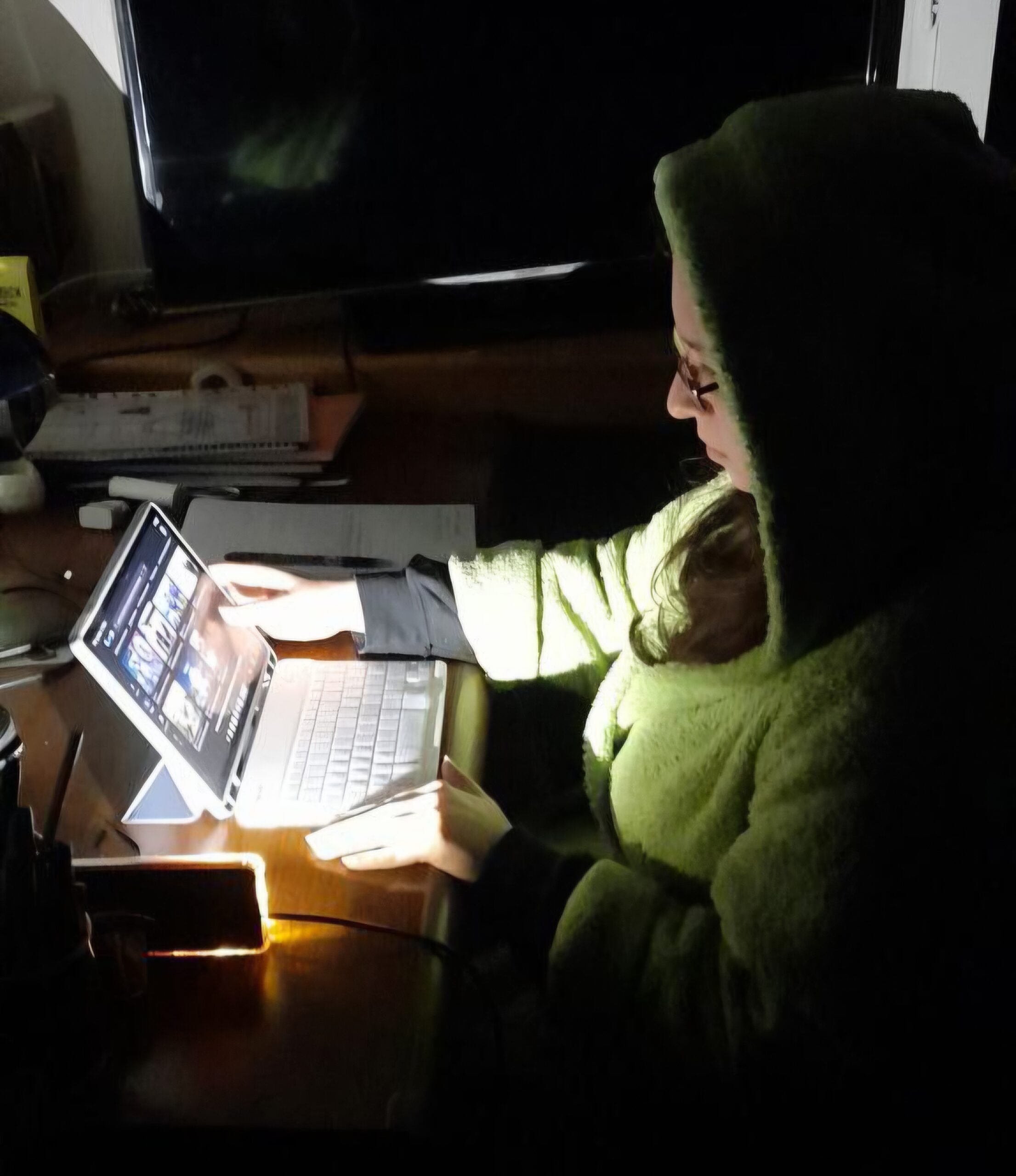
Photograph by Dhivyaa S. P.
The Author
Dhivyaa S. P. believes that every action, no matter how small, contributes to the bigger picture of change. Lately, her reflections have taken a more personal turn, inspired by the everyday systems that shape our lives in unexpected ways. Instagram: @my.hobby.page