

The Immigrant’s Holiday
By Farrukh Anique
It is that time of the year again – when bus terminals swell with restless crowds, train stations turn into rivers of rushing footsteps, and roads overflow with cars inching forward like determined ants returning to their hill. Marts and department stores line their aisles with glittering gift boxes brimming with fresh autumn fruits, neatly packed jars of premium nuts, and endless assortments of chewy, colorful tteok (rice cakes). If you stand at any street corner for just a moment and watch carefully, beneath the hurried footsteps and impatient sighs, you can sense the quiet glow of anticipation. Faces flushed with fatigue are still illuminated by an inner excitement they cannot fully hide. These people – gripping oversized gift bags in one hand and clinging to the overhead safety handle of a bus with the other, swaying with every turn yet smiling as if carried by something lighter than the vehicle itself – where are they all going? They are going home!
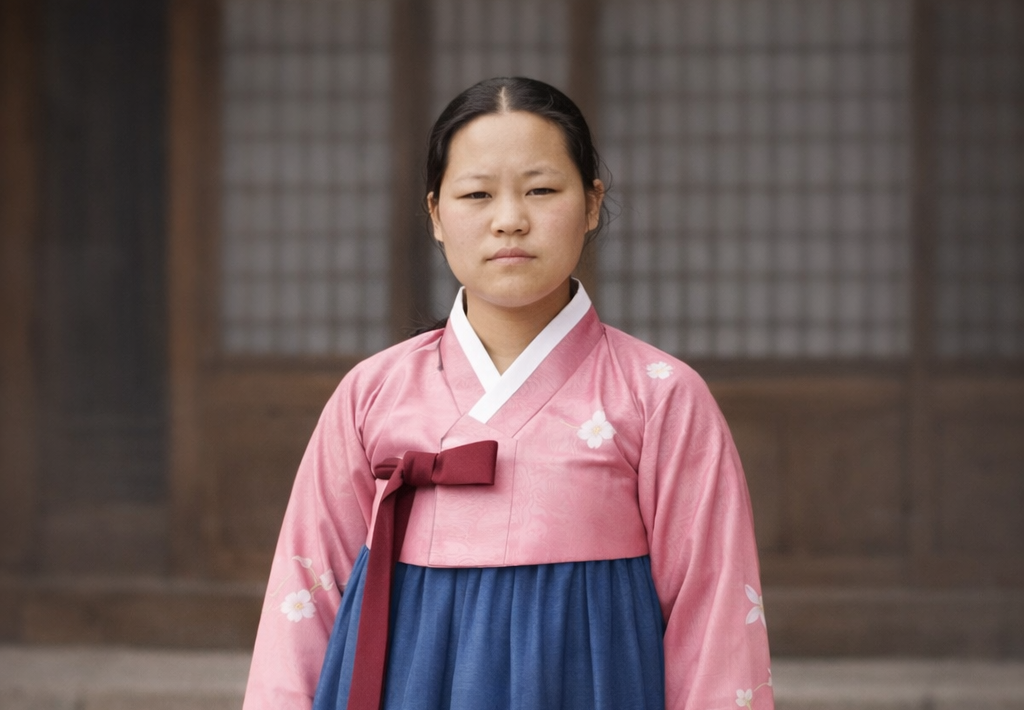
This is the holiday season in Korea. One of the two biggest celebrations of the year, Chuseok, often explained as the “Korean Thanksgiving.” It is the time when everyone returns to their hometowns to visit family, pay respects to their ancestors, and share long tables filled with traditional food and familiar voices. What a beautiful sight. Pure joy unfolding across the country.
But pause for a moment. While one house in a quiet village bursts with laughter over jeon and songpyeon (pancakes and rice cakes), somewhere in a corner of a convenience store in the city, someone is quietly microwaving a bowl of instant noodles. While one family stands together at their ancestral graves, bowing in unity, someone far away is quietly thinking about the day they couldn’t fly home to say a final goodbye to their grandfather. This is the life of an immigrant during the holiday season. While this time of year is filled with joy for the locals, it is often when immigrants struggle the most.
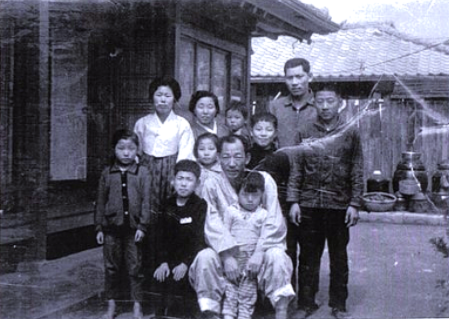
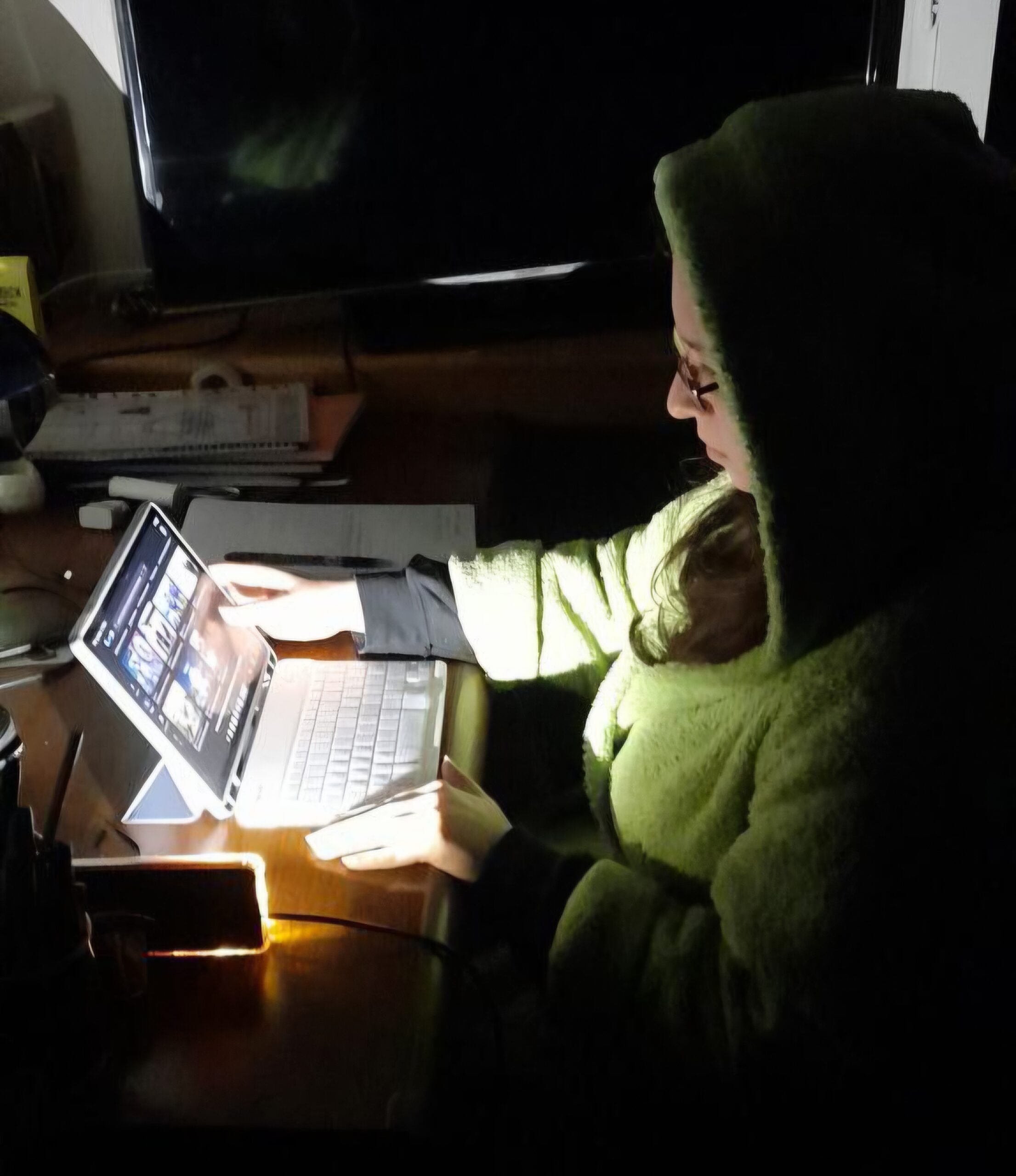
Chuseok is a festival built on the foundation of family, to celebrate their roots; for an immigrant, that is precisely where the wound lies. They are thousands of miles away from their roots, their family, with no chance of seeing them anytime soon. Every laughter-filled gathering, every televised celebration, every social media post of families reuniting, serves as a gentle reminder of what they are missing out on. When coworkers speak fondly of their grandmother’s songpyeon or childhood games in the village, the immigrant is instantly transported back to their own memories, festivals in their home country – the smell of familiar food, the sound of their cousins teasing and laughing. Imagine living in a neighborhood where every door opens to reunions, yet yours remains closed. Imagine standing at your window watching families arrive with suitcases and flowers, while you sit alone on your bed, scrolling through social media, stopping at a reel of a mother counting days until her child returns, a melancholic song playing softly in the background. This is not just loneliness. This is a quiet ache that returns every year without invitation, one of the heaviest seasons in an immigrant’s life.
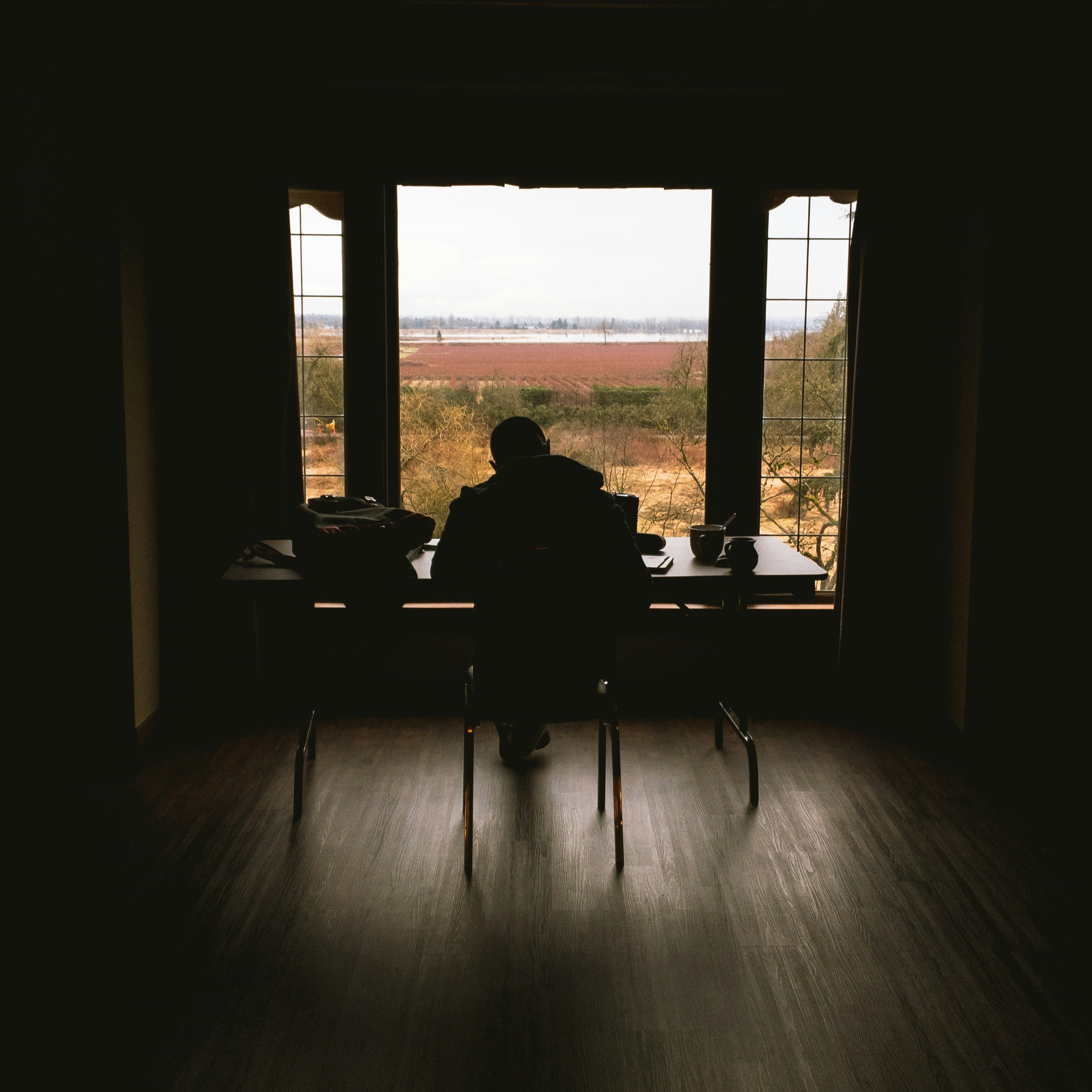
Every Chuseok, on the last day before the holiday begins, our professor casually asks everyone in the lab about their plans. The Korean students answer with excitement in their voices; hometowns, family reunions, feasts are waiting for them. Then it’s our turn. The foreigners. We smile awkwardly and say we don’t have anything special planned. Someone jokes that they’ll finally catch up on the sleep they’ve been missing all semester, and everyone laughs, including us. But laughter has a short life. Because at 1 a.m. that same night, most of us are still wide awake, staring at the ceiling. We think about how tomorrow is supposed to be a holiday, but there’s nowhere to go, no one waiting for us. So, we tell ourselves, “Might as well go to the lab and work on that paper we’ve been avoiding for a month” – not out of passion but simply because doing nothing hurts more than doing work.
Long-term immigrants eventually learn how to cope with this season in their own quiet ways. Some invite a few foreign friends over for a simple homemade dinner. Others go out to nearby restaurants with people from their own country, sharing food that tastes nothing like memory. A few even join expat trips organized by community groups, pretending it’s a holiday and not just a distraction. These things do help. They create a brief illusion of belonging, a temporary warmth that makes the world feel a little less distant. But still, there is something about holidays that presses on an old bruise. It awakens a quiet conflict inside, a conflict about cultural identity and a sense of belonging.
This feeling isn’t limited to Chuseok. It strikes again, in a different shape, when it’s our holiday back home, but here in Korea, it’s just another working day. For me, that holiday is Eid, the biggest celebration in Pakistan. Back home, the morning begins with new clothes, cheerful greetings, the entire neighborhood gathering at the mosque for Eid prayer, and a big table filled with all kinds of curries, colorful desserts, and freshly made naan. Here, the routine is different. We still go for the morning prayer, but as soon as it’s over, we rush straight back to our labs as if nothing happened. Meanwhile, our families keep calling to wish us Eid. And we keep declining them with a polite text; “I’m at work. Please text.” This year, one of my friends didn’t even make it to the mosque. He had an early meeting with his research collaborators. No matter how much we try to convince ourselves otherwise, this does not feel like Eid.
Chuseok and Seollal are the moments when Koreans feel most deeply connected to their culture, to their families, their food, their roots. Yet for immigrants, these very moments become quiet reminders of how far away we are from our own. Our Korean coworkers, lab mates, and friends are often thoughtful and kind, giving us Chuseok gifts or checking in with warm messages. We appreciate it more than we say. But still, holidays bring something with them that just triggers a subtle but deep sense of alienation. Holidays are about homes. But what is home, truly? Is it a location on a map thousands of miles away, or is it simply the people who know your childhood stories without needing explanation? When we leave our homeland, does home stay behind? Or does it travel with us in fragments?
Maybe one day, Chuseok will feel different. Maybe it won’t just be a long weekend to sleep through or a road trip with people we barely know. Maybe it will become more than a polite gathering of strangers who share neither our past nor our traditions, only our longing. Maybe one day, Chuseok will not be something we quietly endure, but something we can proudly belong to. And maybe, when someone asks, “Are you going home for the holidays?” we’ll smile and answer, “Home? I’m already here.”
The Author
Farrukh Anique is a PhD student immersed in mechanical engineering at Chonnam National University. Originally from Pakistan, he’s not all about gears and equations though. He’s got a real love for the performing arts, culture, literature, and languages. He is an amateur theater actor, short-story writer and speaks five languages. In his spare time, he dives into Korean culture and history, soaking up the vibrant traditions and stories that spark his curiosity. Oh, and he absolutely loves strawberries.
Cover photograph by Paul Numrich on Unsplash.