

The Things I Miss Most About Living in Gwangju
By Murdock O’Mooney
American writer Mary Anne Radmacher once wrote, “I am not the same, having seen the moon shine on the other side of the world.” I can attest to the validity of this statement, having spent roughly 6.5 years of my life living in Gwangju.
When I first moved to Gwangju in October 2015 – which ironically was about 10 years ago – I had just finished graduate school and was determined to get a university position in South Korea. I had other motivations as well: the girl I loved was in Korea. After many interviews, I was hired as a lecturer at Chosun University. Thus began my sojourn in Gwangju. I quickly became involved in many enriching activities in the city, such as running trail races, writing for the Gwangju News, teaching (of course), publishing a travel book (Road Ramblings), and exploring regionally. Now that I again live and work in the USA, here are the things I miss most about living in Gwangju.
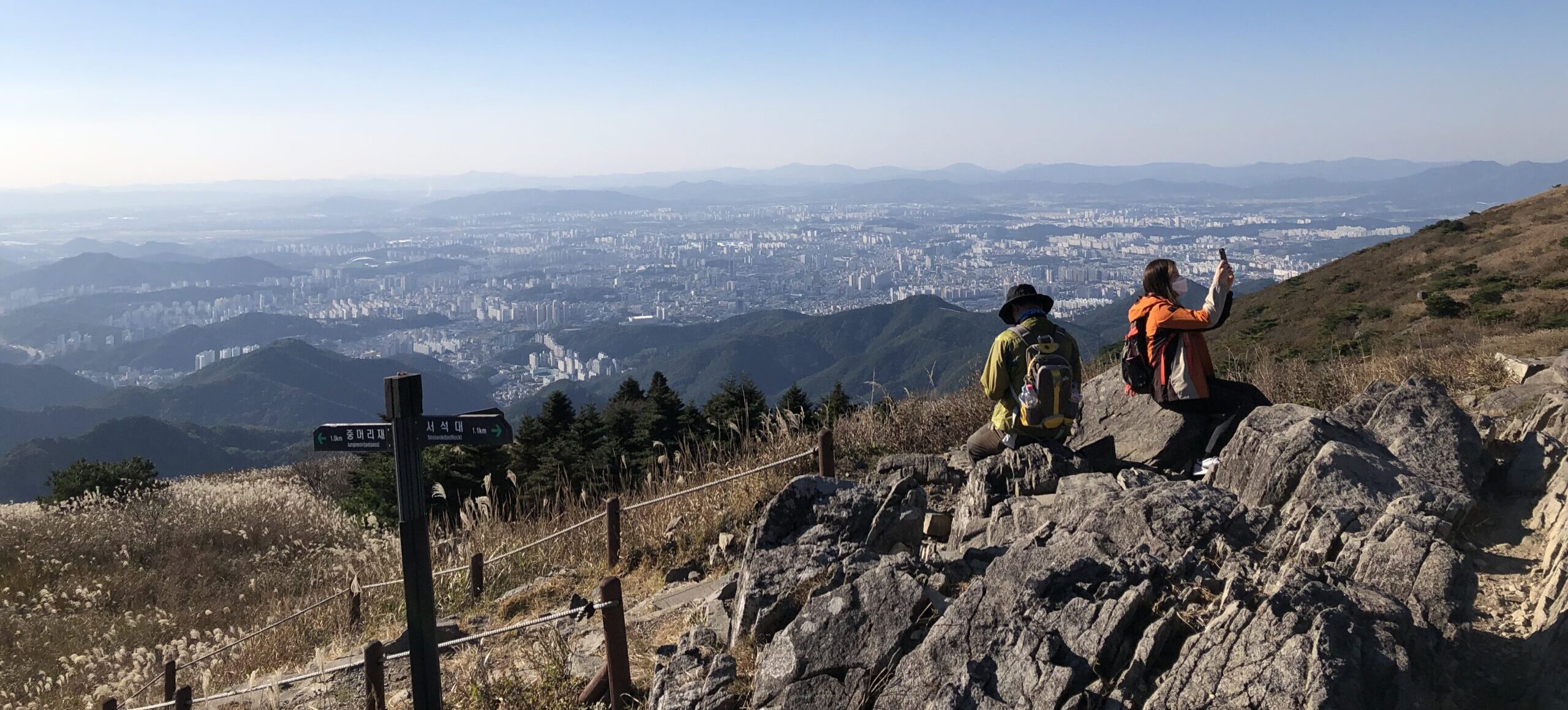
Topping my list is Mudeungsan National Park. I was lucky enough to live in Ulim-dong, which is right at the base of the mountain park. As such, I quickly became familiar with the park’s temples, trails, waterfalls, creeks, old growth trees, and secret spots. Some of the best of these include Jeungsim Temple, Saein Peak, the Jungmeori-jae mountain pass, and the unique rock colonnades near the top of the mountain. I’m sure to always make a pilgrimage to Mudeung-san when visiting Gwangju these days.
The next item on my list is actually not a place but Gwangju hospitality, which was demonstrated through all the interesting people I met while living there. This included my colleagues at Chosun University, as well as Dr. Park who hired me and would take the entire office out for galbi (ribs) and drinks. I can’t imagine this is too common in 2025, but maybe I’m wrong.
There was also a local eccentric I knew only as “Kim.” Kim wore a leather vest, an old army helmet, and lived out of his scooter. He used to yell at me, “Hello, my friend!” every time he saw me. We couldn’t communicate very deeply due to language differences, but he was kind and showed me photos of his kids and family. He would sleep in parks and bathe in restaurant bathrooms, or so he said, after his wife kicked him out. He liked the Kia Tigers, drinking beer, and doing pushups.
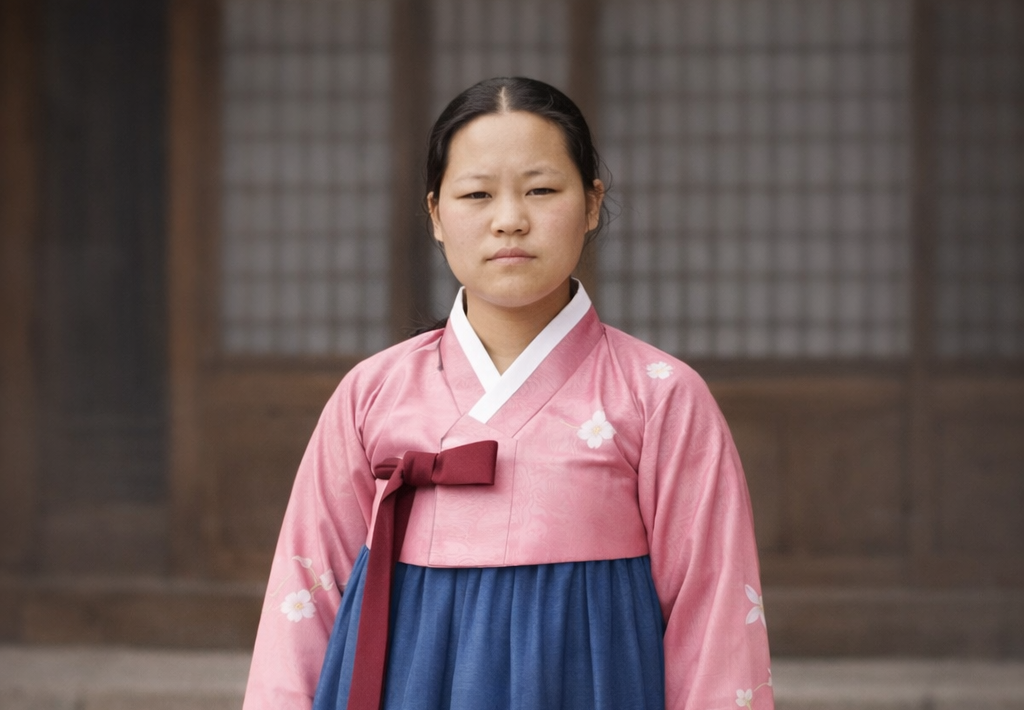
Then there was the local mudang woman who would sing shamanistic chants in the bamboo forest near my apartment. The hanbok she wore was beautiful and intricate, and she could be heard all the way down the valley. She would wave her colorful fan and smile at me as I ran past on the trail, transporting me to some earlier time in Korean history – the Joseon Dynasty maybe?
Regardless, this interaction I took to be special, and it has stayed with me ever since. The list goes on, but the local people of Gwangju always make me feel welcome and part of their community.
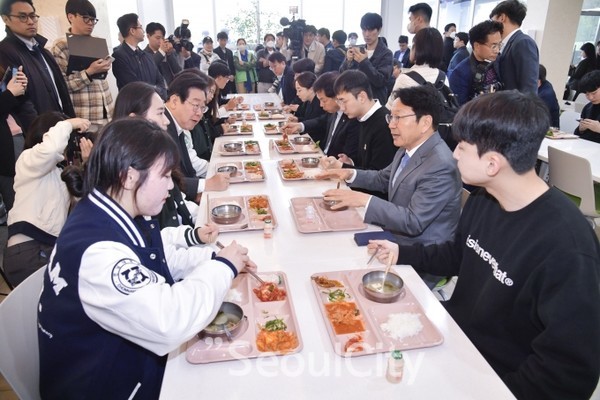
After the welcoming people of Gwangju, comes food. As many well know, the food in Jeollanam- do is among the best in South Korea. The rich ecosystem and close proximity to the ocean produces fresh ingredients and unique flavors. Just in my daily routine, I can remember eating samgye-tang stew at Chosun University’s cafeteria before Seollal break that consisted of an entire small chicken, going to a dynamic and savory vegetarian buffet near the ACC, and having shabu-shabu with a view on the backside of Mudeung Mountain.
Some of my other favorite dishes from Jeollanam- do include Gwangyang bulgogi, oysters and beef bibimbap, spicy seafood stews, the various types of Jeolla kimchi, Boseong green tea, and ganjang gejang – a soy sauce-marinated crab dish. I also had the best dak-galbi (spicy stir-fried chicken) that I’ve ever tasted in Damyang at a small roadside restaurant. Exploring the countryside on my motorcycle and finding little places to eat used to be one of my favorite Saturday activities.
The next thing on my list is travel. Not many people think of Gwangju as a travel hub, but the city doesn’t do too bad in this department. For example, Muan Airport has direct flights to Taiwan, Jeju Island, Vietnam, Malaysia, Mongolia, Cambodia, and Laos as well as multiple cities in Japan. One can also travel to desirable regional destinations including Yeosu, Geojae, and Wando, where my wife and I camped out in a tent on the beach one summer night. There are also many national parks within driving distance of Gwangju, including Jiri-san, Hallyeo-haesang, Dadohae-heasang and Naejang-san, making Gwangju an excellent home base for exploration.
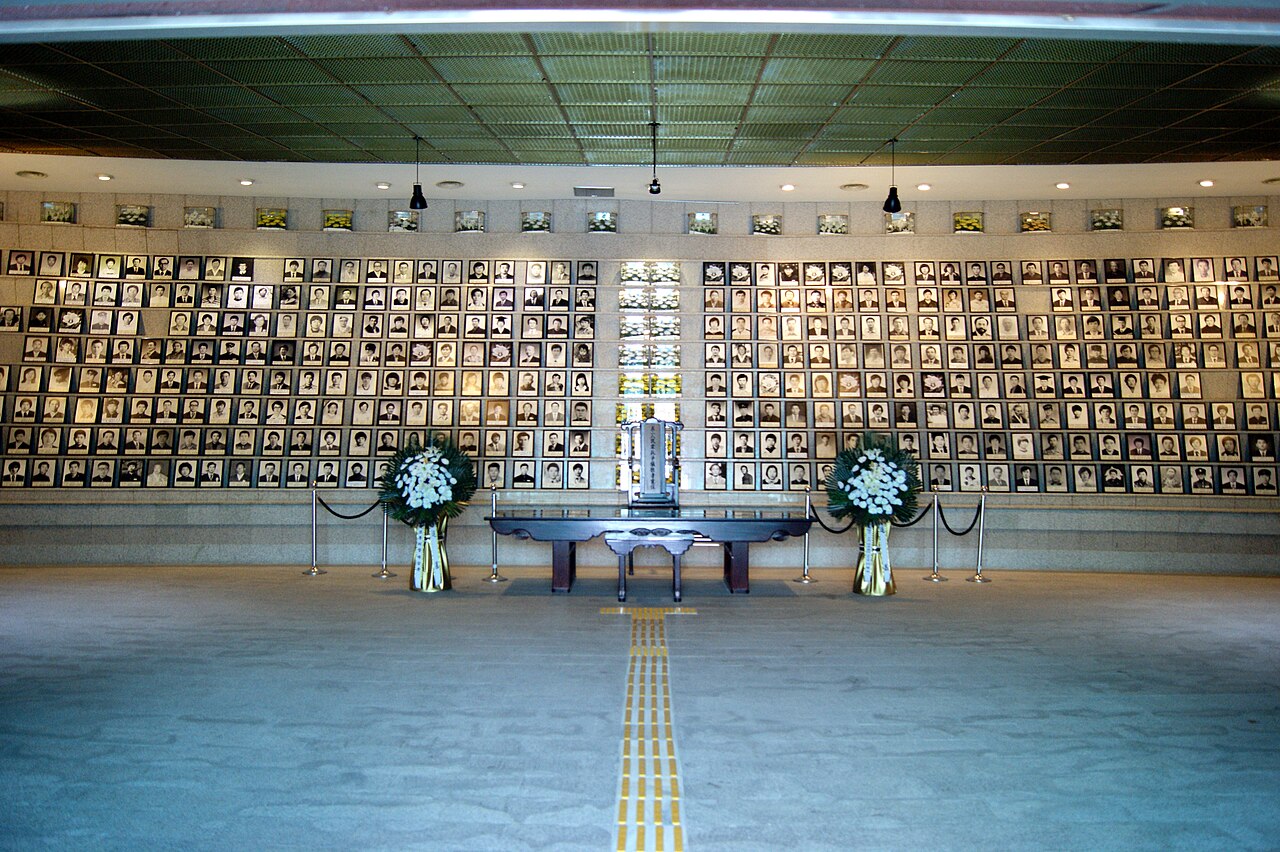
The Asia Culture Center and Chosun University campus, of course, also make my list. These might seem like obvious choices, but to me, they are the beating heart of Gwangju. On the weekend I first arrived in October 2015, the International Music Festival was in full swing (now rebranded as the ACC X Festival). It was inspiring to see people from all over the world celebrating life and existence through music, dance, and community. Beyond this, the ACC boasts Asian Culture Week, the Asia Literature Festival, the ACT Festival, not to mention all the remembrances and installations surrounding May 18. Chosun has its Rose Festival, Spring Festival, Fall Festival, and so much more.
Gwangju truly does have something for everyone. I may miss living there sometimes, but I can always visit. And as celebrity chef and writer Anthony Bourdain said, “The journey changes you; it should change you. It leaves a mark on your memory, on your consciousness, on your heart, and on your body.” According to Tony, Gwangju did what it was supposed to do to me: It changed me. For that I am grateful. Gamsa-hamnida, “City of Light.”
Sources
- Bourdain, A. (2002). A cook’s tour: Global adventures in extreme cuisines. Ecco.
- Mudeungsan National Park. (2025, April 28). In Wikipedia. en.wikipedia.org/wiki/Mudeungsan_National_Park. National Asian Culture Center. (n.d.). https://www.acc.go.kr/en/index.do
- Radmacher, M. A. (2023). Quotes. Goodreads. https://www. goodreads.com/quotes/71568-i-am-not-the-same- having-seen-the-moon-shine
The Author
Murdock O’Mooney is an educator and writer based in Albuquerque, New Mexico, USA. He lived in Gwangju and worked at Chosun University from 2015 to 2022. He’s interested in geopolitics, education and trying to help build a more just world.
Cover Photo: Gwangju from Mudeung Mountain. (Murdock O’Mooney)