



Sirens Instead of Bells: The New Reality of Ukrainian Schools
By Andriievska Anastasiia
Since the beginning of the full-scale invasion, the reality of education in Ukrainian schools has changed drastically. This affects not only the students themselves but also their parents and teachers. In this article, I aim to highlight the realities of schooling in Ukraine from the perspectives of students, teachers, and parents alike.
As of November 26, 2025, Kyiv reported that over 340 educational institutions in Ukraine have been damaged or destroyed this year alone due to the war, disrupting the learning process for children and denying them their right to a normal education. Moreover, the total number of damaged or destroyed schools since the escalation of the war in February 2022 has risen to 1,611. As these are only UN-verified cases, the actual number is likely higher.
This school year, 4.6 million children in Ukraine face barriers to education as they endure their fourth academic year under full-scale war conditions. Relentless attacks damage or destroy schools and threaten children’s lives. Air raid alerts disrupt classes. Many schools, particularly in frontline areas, remain closed due to hostilities or the lack of proper shelters, forcing nearly one million children to study online. For those studying in a blended format or fully online, the lack of in-person interaction with teachers and peers affects their ability to learn and exacerbates the emotional toll of the war.
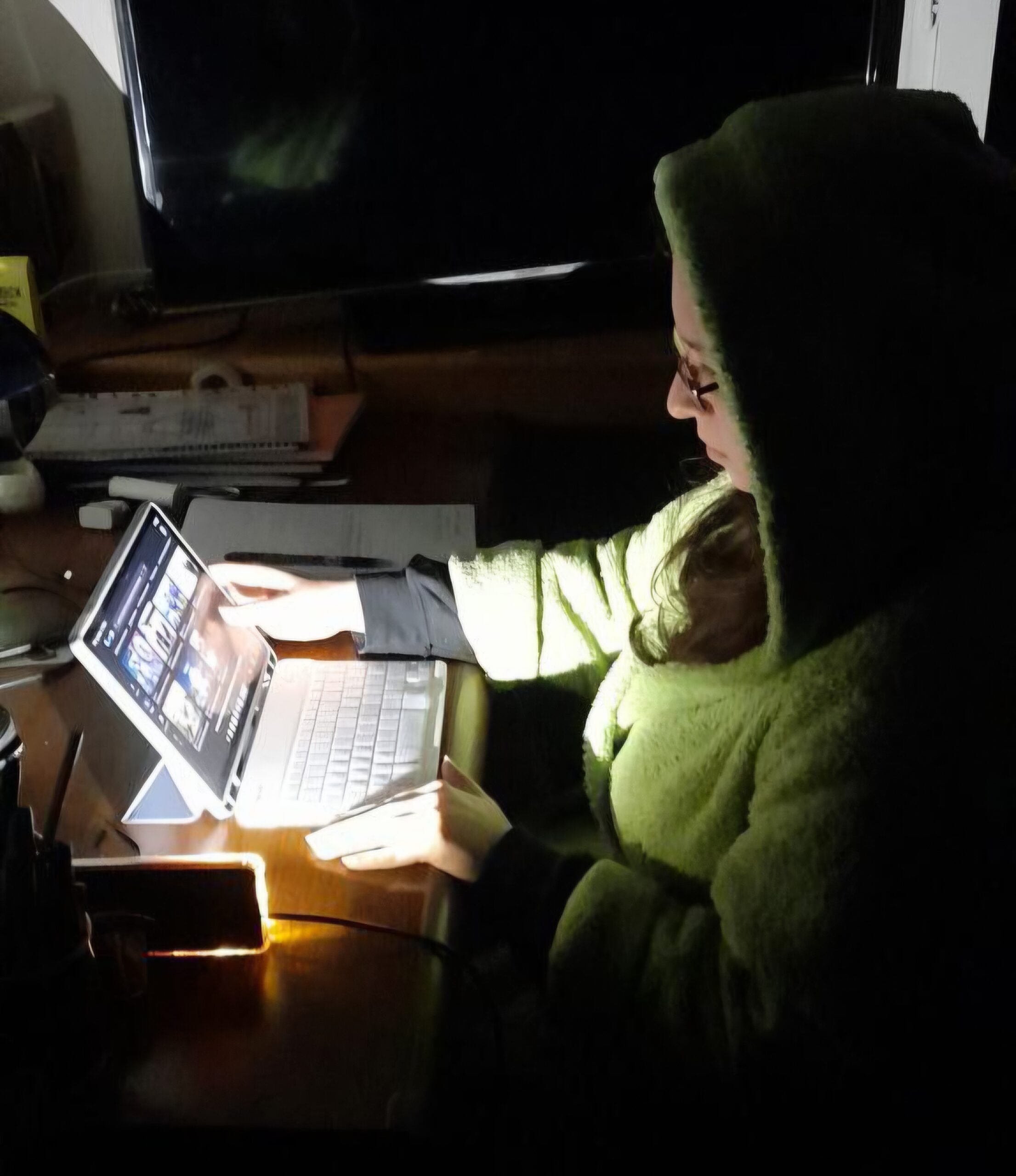
Furthermore, constant missile attacks by the Russian Federation on critical infrastructure (water, gas, electricity, communications) complicate the learning process not only in schools but also at home. Since power can be out for days and internet connectivity is consequently unstable and very poor, it becomes impossible for Ukrainian schoolchildren to acquire knowledge even through online learning. On December 12, 2025, Russia launched a massive attack on Odesa. An energy infrastructure facility in the Odesa district was damaged. The attack paralyzed the regional center. Thousands of homes affecting 90,000 people were left without electricity, water, and communications. Yet, not all parents have the means to move to safer regions, due to a lack of funds and available housing.
Due to remote learning, parents cannot work normally to support their families, simply because there is no one else to supervise their children. Moreover, in Ukraine, if an air raid alert begins before the school day starts, parents cannot take their children to school, as it is unsafe. Consequently, parents shift their working hours until the alert ends, and then they can drop their children off at their school. There is also constant anxiety for their children, as danger lurks not only within the school walls, due to the threat of air attacks, but also on the way to and from school.
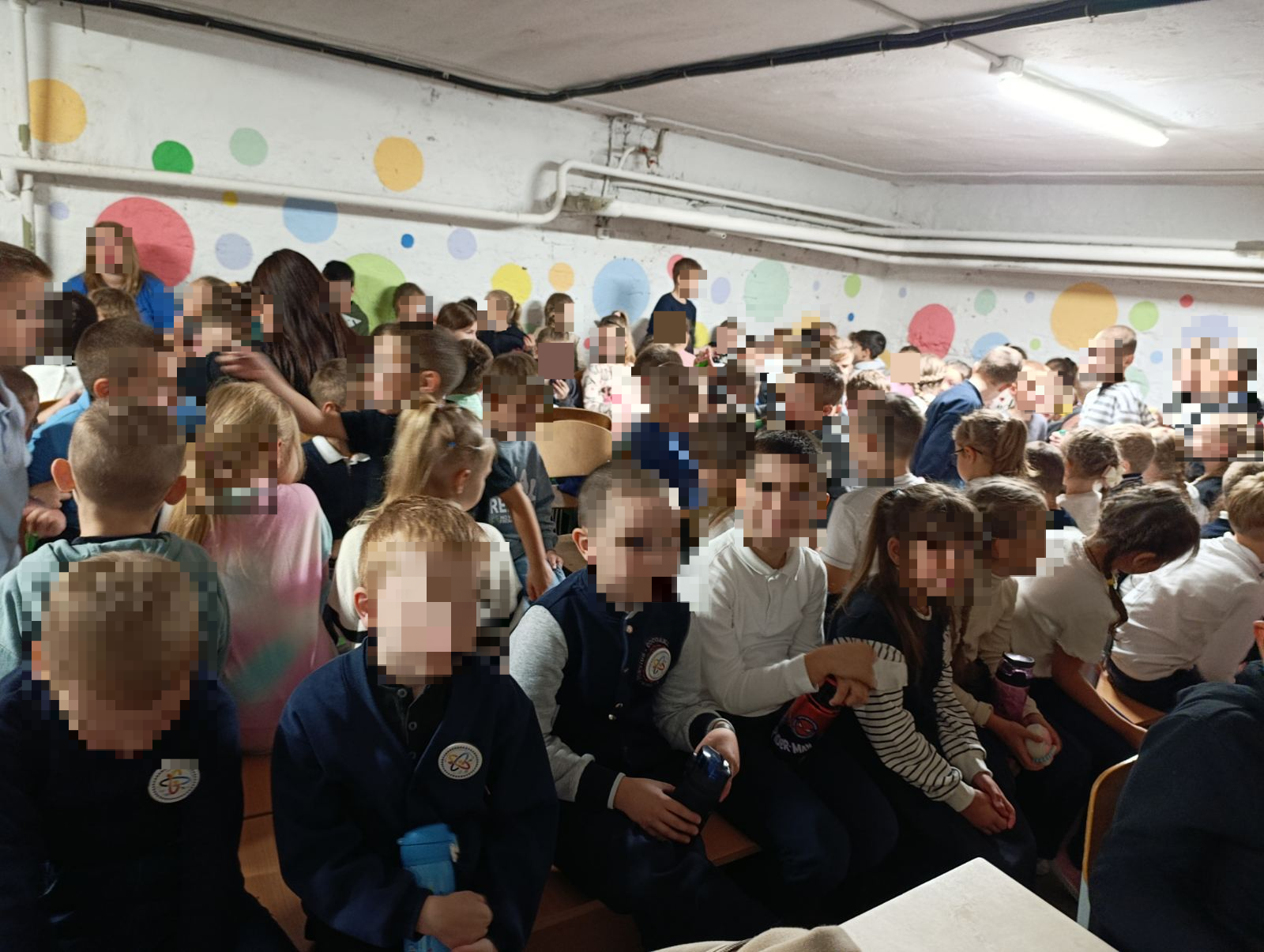
But what about the teachers? A teacher’s workday might begin not with a bell but with an air raid siren. Teachers know exactly how many minutes the class has to get to the shelter, always carrying the “class register” with full information on each student for emergencies. Sometimes a lesson takes place between two all-clear signals; sometimes it is conducted in a shelter, where children have chairs to sit on and still raise their hands to answer. It is not unusual for half the class to be “absent,” not because of truancy but because of power outages at home or lost internet connection. These are realities not written in any teacher’s manual.
In addition, there is a catastrophic shortage of teachers. As a result, educators are overworked, facing immense workloads without enough time for proper rest. During the academic year, they work even on weekends to grade notebooks and prepare lessons.
Yet, there are joyful, incredibly genuine moments. When a lesson in the shelter ends in laughter because someone made a joke. When a child, after a long absence, says, “I’m back in class!” When a class collects aid for the military, and teachers see them maturing beyond their years with dignity. When the classroom lights go out and the class continues with flashlights because knowledge is more powerful than darkness.
* * * * *
Editor’s Note: This article was late in being submitted, missing several deadlines do to attacks on civilian energy infrastructure in the author’s area, disrupting energy supply and internet connectivity. It is not just the frontline that is being attacked; the whole of Ukraine suffers from the destruction of war. School children and school teachers, as well as the children’s parents and this article’s author, must be commended for their heroic efforts with the ravages of war mercilessly continuing around them.
The Author
Anastasiia Andriievska was a Global Korea Scholarship student from Vinnytsia, Ukraine, in 2024 and 2025. She is now an active Ukrainian and international volunteer.
Cover Photo: For Ukrainian school children, classes continue in the school shelter during an air raid alert, courtesy of Anastasiia Andriievska.