
International Women’s Day: Why March 8 Still Matters… And Why It Makes Some People Uncomfortable
By Luis Andrés ||
Every year on March 8, the same questions come back: “Why do we need International Women’s Day?” “Why is there no Men’s Day?” “Isn’t equality already achieved?” The fact that these questions are still asked is precisely why International Women’s Day (IWD) continues to matter.
Officially recognized by the United Nations in 1977, IWD is often treated today as a symbolic date. Women receive a bouquet of flowers, a social media post, a polite celebration. But its origins are anything but polite. International Women’s Day was born from protest, labor struggles, and violence against women who dared to demand dignity in a system designed to exploit them.
At the beginning of the 20th century, women entered the workforce under brutal conditions: low wages, long hours, and no protections. In 1911, the Triangle Shirtwaist Factory fire in New York killed 146 workers, mostly young immigrant women, who were locked inside their workplace to prevent “unauthorized breaks.” Some died from the flames. Others jumped from windows in desperation. Their deaths became a turning point, fueling international labor and women’s movements across Europe and the Americas.
This is the part we often forget: IWD exists because women were dying and continue to die or otherwise struggle. In fact, violence against women does not always appear as a tragedy on the evening news. More often, it exists quietly: in unpaid care work, in fear while commuting, in careers stalled by motherhood penalties, in silence chosen for survival. Gender violence is not only about death; it is about limitation. It is about lives lived smaller than they could be.
Over time, the struggle has expanded. Women have fought for the right to vote, for maternity leave, for equal pay, for childcare, and for protection from sexual and domestic violence. These should not be distant ideals or political slogans, but real material conditions for women everywhere. They shape whether women can live safely, freely, and with autonomy.
Around the world, March 8 looks different depending on local realities. In Latin America, for example, IWD has become deeply connected to protests against femicide. In 2018, women organized an International Women’s Strike to make visible a brutal reality: On average, eleven women were being killed every day in the region because of their gender. Women stopped working, both paid and unpaid, to show what society would look like without them. Offices closed. Schools slowed down. Homes stopped functioning. The message was clear: Women’s labor sustains the world, and their absence is impossible to ignore.
“International Women’s Day is not about reversing inequality. It is about dismantling it.”
South Korea may not experience gender-based killings on the same scale, but that does not mean it is free from gender violence. On the contrary, the country faces serious challenges that often go unspoken. South Korea has the largest gender pay gap among OECD countries, with women earning around 30 percent less than men for comparable work. Digital sex crimes, including illegal filming and AI-generated sexual deepfakes of real women, are among the most common forms of violent crime, and their psychological and social consequences are devastating.
What makes this situation even more alarming is the widespread backlash against feminism itself. In South Korea, feminism is frequently portrayed as radical, aggressive, or “anti-men.” This narrative deliberately distorts what feminism actually is: a political struggle against gender-based violence. By framing feminism as dangerous, anti-feminist discourse discourages efforts to address economic injustice, sexual violence, and structural discrimination, often with the support of male-dominated political spaces. And yes, masculinity is not limited to men; women, too, can reproduce violent and exclusionary systems.
So, what about International Men’s Day? Men do suffer from violence, mental health crises, and social pressure, often imposed by other men and by rigid ideas of masculinity. Recognizing this is also important, that is why International Men’s Day exists on November 19 focusing on positive male role models and healthier forms of masculinity. But IWD is not about competing commemorations. It exists because the historical and ongoing burden of gender-based oppression has disproportionately fallen on women – and continues to do so.
Gender justice has also transformed men’s lives in ways that are rarely acknowledged. Paternity leave allows fathers to build emotional bonds once denied to them. Planned parenthood reduces economic and emotional pressure on families. Dual-income households offer stability and partnership rather than dependency. These advances are not threats. They are collective gains.
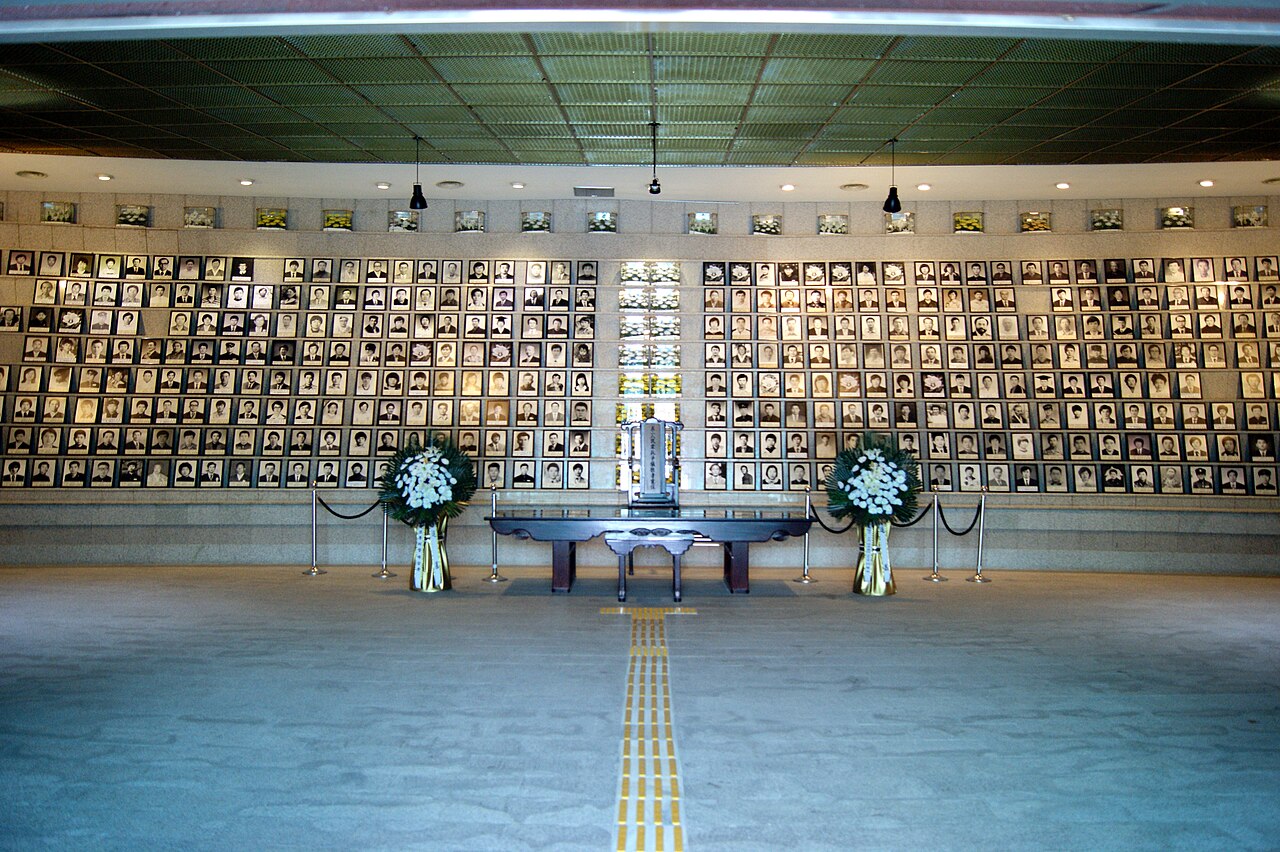
The relevance of IWD should not be overlooked in Gwangju, either – not only for the global reasons already mentioned but also because of the city’s own history. Gwangju’s democratic legacy is often told through images of resistance and sacrifice, but it is also a history of care, organization, and persistence, roles disproportionately carried by women. From those who mobilized, healed, and sustained the May 18 movement, to contemporary writers like Han Kang, and to immigrant women sustaining families and communities today, women have been central to the city’s moral and civic fabric.
International Women’s Day is not about reversing inequality. It is about dismantling it. March 8 is not a celebration because the work is done. It is a reminder because it is not. And until gender justice is no longer a demand but a reality, International Women’s Day will remain necessary… uncomfortable questions and all.
The Author
Luis Andrés González is a Mexican GKS scholar and master’s student in cultural anthropology at Chonnam National University. He advocates for LGBTQ+ rights and gender equality, and explores global affairs through pop culture. He is the founder of Erreizando, a digital magazine. Instagram: @luisin97 / @erreizando
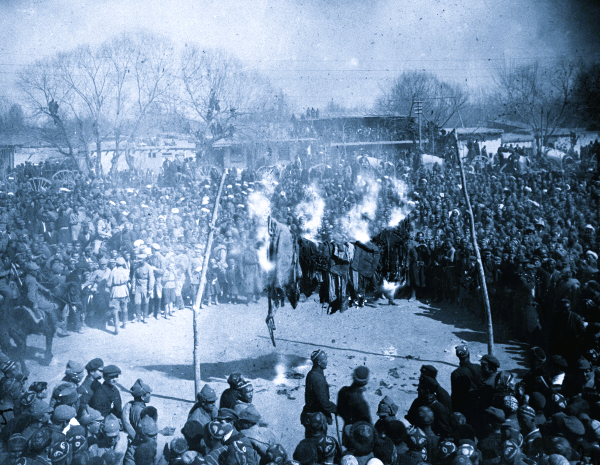
Cover Photo: A veil-burning ceremony in Andijan, Uzbekistan, on International Women’s Day in 1927.