


Navigating Tradition, Change, and Legal Boundaries: Student Activism in South Korea – April 2025
By Yousra Feriel Drioua
South Korea’s history is deeply intertwined with student activism, a force that has repeatedly challenged societal norms and governmental policies. From the resistance against Japanese colonial rule to the fight for democracy in the late 20th century, students have been at the forefront of pivotal movements. Today, Korean and even international students continue this legacy, advocating for various causes while navigating the complex legal landscape that governs protest and dissent.
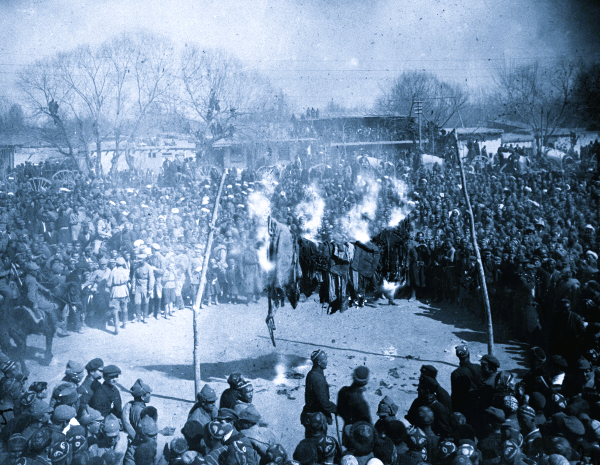
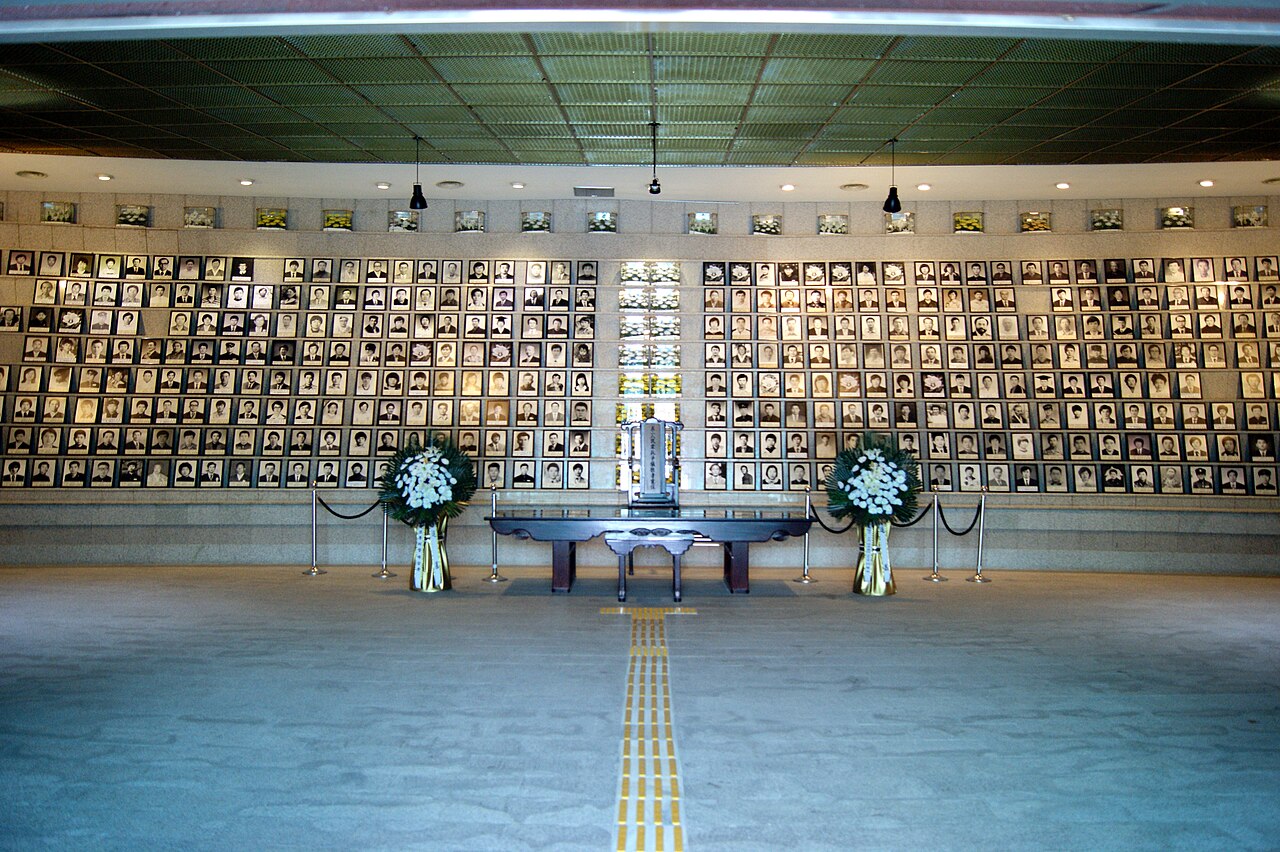
The roots of student activism in Korea can be traced back to the early 20th century. During the Japanese occupation (1910–1945), students played a crucial role in the March 1st Movement of 1919, demanding independence and national sovereignty. This spirit of resistance has persisted through the decades, projecting itself in significant events like the April 19 Revolution in 1960, which led to the resignation of President Syngman Rhee, the Gwangju 5.18 Uprising in 1980, and the June Democratic Struggle in 1987, which paved the way for democratic reforms.
“Today, Korean and even international students continue this legacy, advocating for various causes while navigating the complex legal landscape that governs protest and dissent.”
In the most recent years, student activism in South Korea has evolved to address a broad spectrum of issues, facilitated by various organizations, such as the 21st Century Korea College Students’ Union (21C KCSU). Established in 2004, 21C KCSU is one of the largest student organizations in South Korea. It has been instrumental in advocating for educational reforms, including the reduction of tuition fees and the improvement of student welfare. The union comprises student councils from numerous universities, fostering a unified platform for addressing national educational policies.
Another well-known organization is ASUNARO, or Action for Youth Rights of Korea. Founded in 2004 as well, ASUNARO is a youth rights organization dedicated to protecting and promoting the rights of young people and students. The organization operates across various cities, including Seoul, Busan, and Gwangju, and focuses on issues such as opposing corporal punishment, advocating for freedom of expression, and protecting the rights of minority students. ASUNARO’s inclusive approach has attracted both Korean and international student members, reflecting its commitment to diversity and equality.
An interesting organization is Voluntary Agency Network of Korea (VANK), it was reportedly established around 1999 and is an internet-based organization. It engages in cultural diplomacy and international awareness campaigns. With a membership that includes approximately 30,000 members internationally, VANK works towards correcting misconceptions about Korea and promoting its image globally. The organization’s efforts have fostered a sense of global citizenship among students, encouraging them to participate in international dialogues and advocacy.
South Korea’s increasing globalization has led to a more diverse student population, with international students becoming a significant demographic. While they bring diverse perspectives, their participation in activism is often limited by legal and cultural factors. As foreign nationals in South Korea, they are subject to specific regulations that can restrict their involvement in political activities. Engaging in protests or political movements can lead to visa complications or deportation. This legal framework creates a cautious environment for international students considering activism. Another obstacle is navigating the different cultural and social landscapes, which can be challenging. Language barriers, unfamiliarity with local customs, and fear of repercussions can deter international students from participating in activism. However, some have found ways to support causes indirectly, such as through online platforms and by collaborating with local student organizations.
The right to protest in South Korea is enshrined in the constitution, but it comes with specific limitations such as those of the National Security Act. Originally enacted to counter communist activities, this act has been criticized for its broad application, sometimes being used to suppress dissent. Also, ordinances on student rights have been implemented in various provinces, including Seoul and Gyeonggi-do. These ordinances aim to protect students’ human rights within educational settings. They prohibit corporal punishment as well as discrimination based on gender, religion, nationality, disability, race, and sexual orientation, and ensure freedoms such as freedom of expression and assembly. However, the enforcement and scope of these ordinances can vary by region.
Several causes continue to mobilize students across the nation, mainly gender equality, with issues like the #MeToo movement and digital sex crimes spurring student-led campaigns advocating for women’s rights and stricter laws against perpetrators. For instance, at Dongduk Women’s University in Seoul, students protested against plans to admit male students into some departments, highlighting concerns over preserving women-only spaces amidst broader gender equality struggles. In December 2024, the sudden declaration of martial law sparked massive protests, with students playing a central role. Utilizing K-pop culture elements like light sticks, these protests showcased the unique blend of tradition and modernity in Korean activism. While student activism remains vibrant, it faces challenges.
All in all, student activism in South Korea continues to be a dynamic force, driving societal change and challenging the status quo. Both Korean and international students contribute to this vibrant landscape, advocating for justice, equality, and democratic principles. As they navigate the intricate legal and cultural frameworks, their resilience and adaptability ensure that the spirit of activism remains alive, fostering a more inclusive and equitable society.
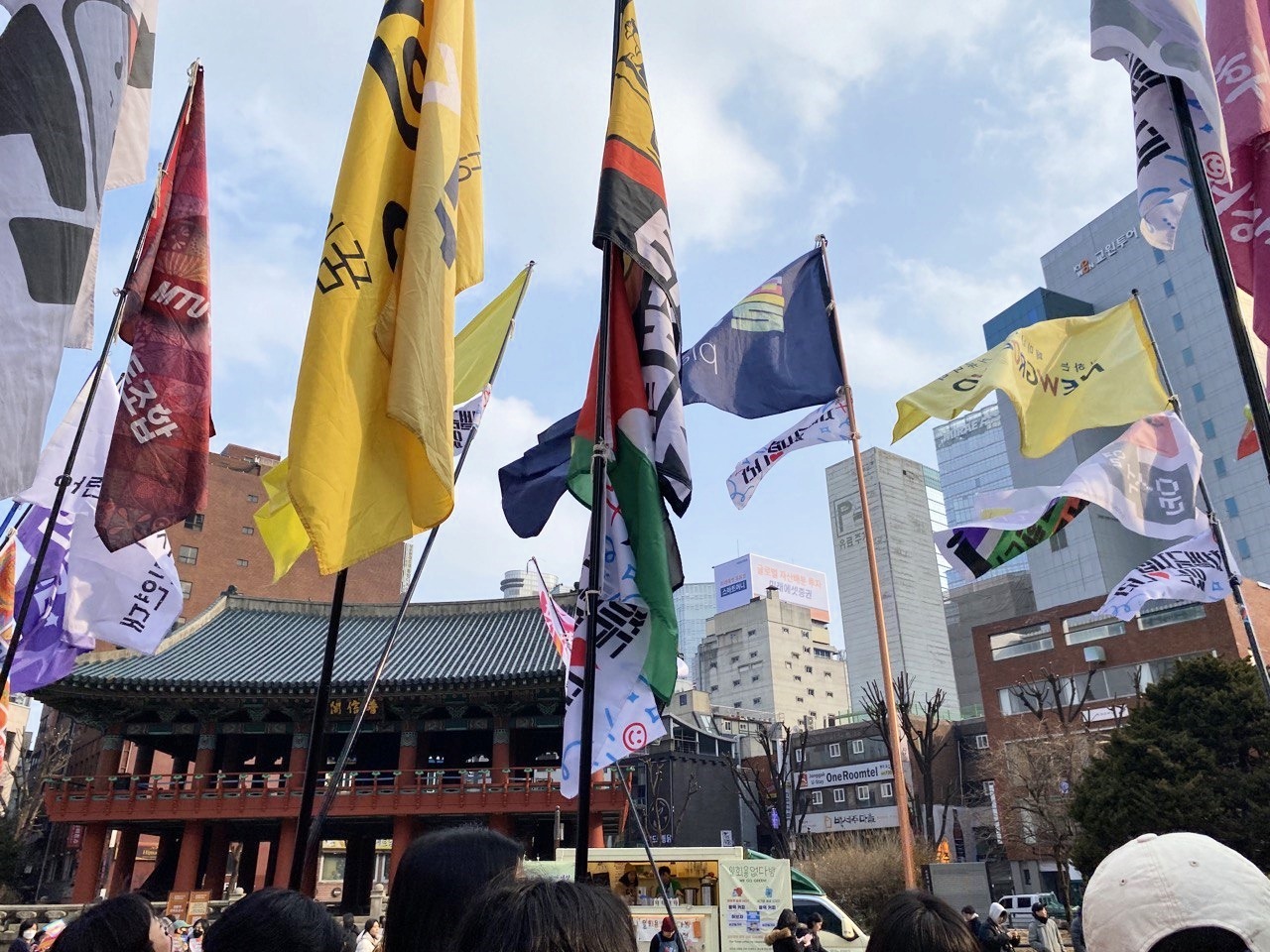
Photograph by Yousra Feriel Drioua.
The Author
Yousra Feriel Drioua is a freelance writer and activist with an MA in media communication and journalism. She’s an Algerian citizen residing in South Korea and aspires to be someone of use to society. Instagram: @myyigli