

The 4.3 Jeju Massacre in Words: Two Representative Novels
By Chung Hyunhwa
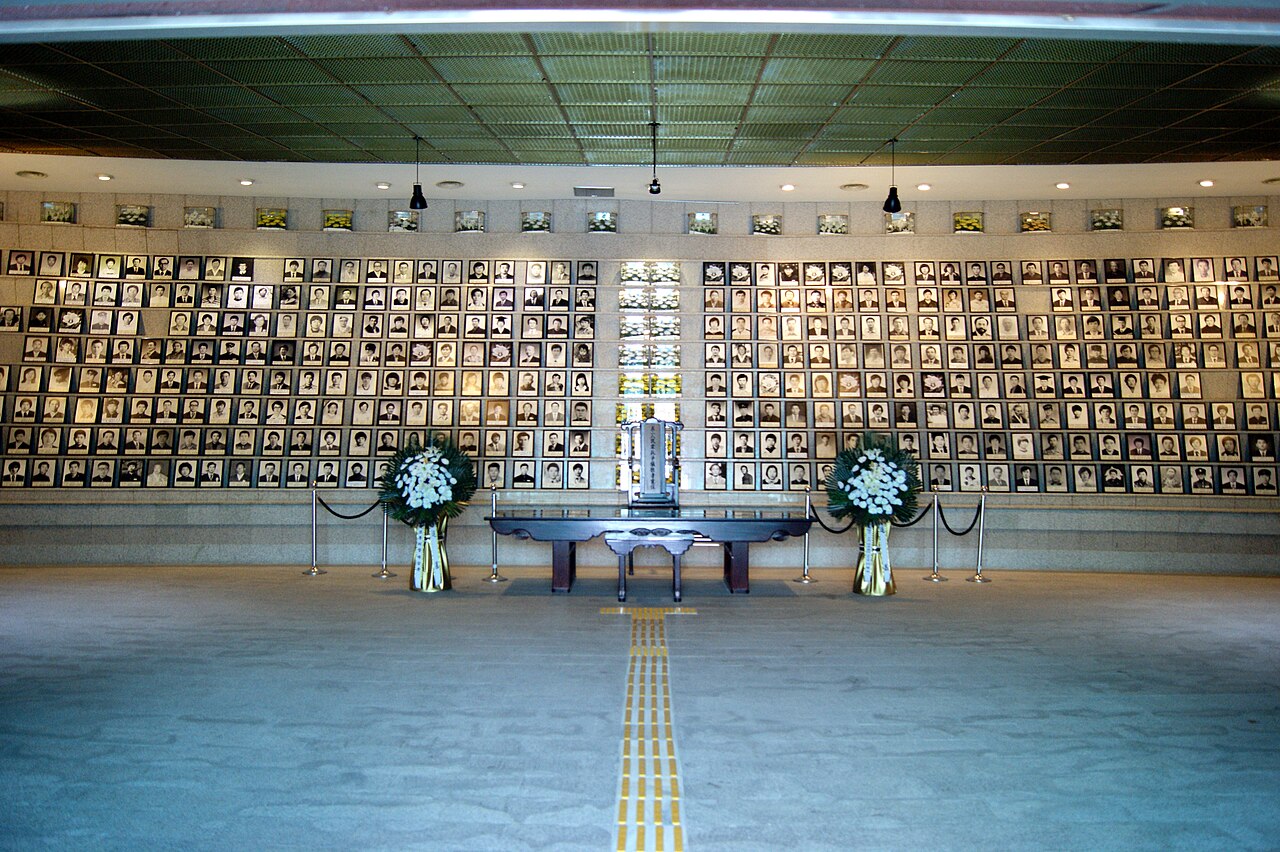
pril 3rd is a night of memorial services in many homes in Jeju. Why so many deaths? What really happened? Here are two novels that describe the massacre and the pains it left to the survivors and those who loved them.
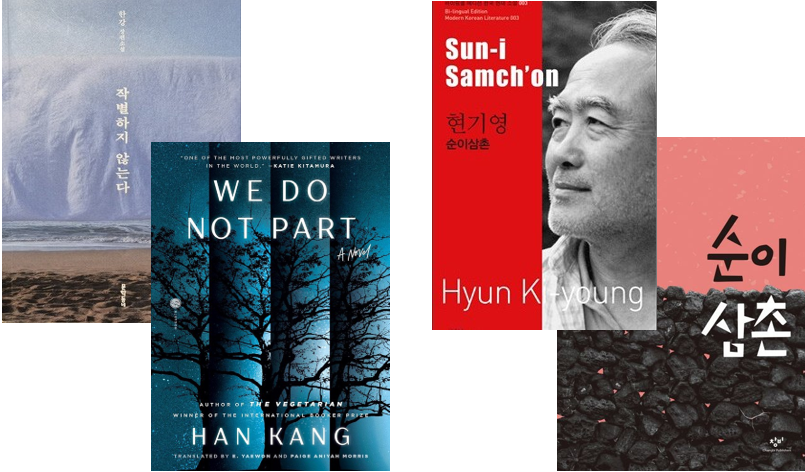
We Do Not Part (작별하지 않는다, 2021)
By 2020 Nobel Prize Laureate Han Kang
This story is narrated from the perspective of a writer who was invited to a search for a very close Jejuan friend. This friend’s mother had passed away, and the daughter found her mother had had her own project of tracing her beloved brother who was lost in the
4.3 turmoil. During the search, the writer encounters a brave woman who had keep her own pain pent up for so long and never gave up her own lifelong search. The Royal Swedish Academy, conferrer of the Nobel Prizes, stated that Han Kang’s “intense poetic prose” focuses on “historical traumas,” colonial violence, and the “fragility” of humanity.
Sun-i Samch’on (순이삼촌, Aunt Suni, 1978)
By Hyun Ki-young
This book is recognized as the first novel to describe the 4.3 Jeju Massacre, and this is significantly meaningful because this book was published during the time of Park Chung-hee’s strong-armed dictatorship. The author had to endure multiple tortures for writing about this forbidden theme, and his book was banned until many years after its original publication date. The novel reveals how the trauma of a tragic massacre entirely destroyed a human being. A bilingual edition is also available.
Compiled by Chung Hyunhwa.