








Gwangju News – April 2025
Mobile Citizen Registration Cards: A Leap in Digital Governance
Gwangju is part of South Korea’s nationwide rollout of mobile citizen registration cards, which began in phases in February 2025. As of March 14, residents in Gwangju can apply for these digital IDs at community centers. This initiative aims to enhance convenience by allowing citizens to access their registration cards directly on their mobile devices, eliminating the need to carry physical cards.
The mobile citizen registration card has the same legal validity as the traditional physical card and can be used in various settings, such as government offices, banks, and hospitals. The system employs advanced security technologies, including facial recognition and encryption, to ensure the secure issuance and use of these digital IDs.
Moreover, the introduction of mobile citizen registration cards reflects South Korea’s broader strategy to modernize its digital identity systems. By leveraging mobile technology, the government aims to streamline public services and improve
the overall citizen experience. This initiative also sets a precedent for other digital identity innovations, potentially leading to a more integrated and efficient public service system.
Mobile ARCs: Enhancing Convenience for International Residents
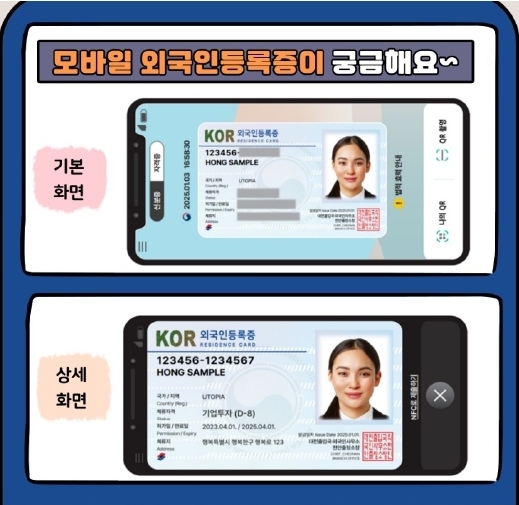
International residents in South Korea, including those in Gwangju, can now apply for digital alien registration cards (ARCs) through the Mobile Identification App. This digital card carries the same legal validity as the physical version and can be used in various settings, such as public institutions and hospitals. The application process is straightforward, requiring either a visit to an immigration office to scan a QR code or the use of an IC chip-enabled ID card.
The digital ARC enhances convenience by allowing the holder to easily verify their identity without needing to carry a physical card. This innovation aligns with South Korea’s efforts to improve services for international residents, making it easier to navigate daily life in the country. Additionally, the digital format provides an added layer of security, as it can be locked if a smartphone is reported lost, protecting personal information.
Cashless Bus System: Enhancing Public Transportation
Starting in April 2025, Gwangju is introducing a cashless bus system, marking a significant shift towards modernizing its public transportation. This initiative aims to improve efficiency and reduce the reliance on cash transactions. The city has been conducting a pilot program since December 2024 to ensure a smooth transition, with the goal of minimizing cash usage to less than 1.5 percent by the end of March 2025.
The cashless system will not only enhance the convenience of using public buses but also to reduce safety accidents related to handling cash and improve the overall passenger experience.
Moreover, the Gwangju Bus Association has been actively promoting the new system through campaigns, highlighting its benefits and encouraging citizens to adapt to the change.
Furthermore, the introduction of a cashless bus system aligns with global trends towards digital payment systems, which are becoming increasingly prevalent in urban transportation. By embracing this technology, Gwangju is positioning itself as a forward-thinking city that values innovation and efficiency in public services.
Ensuring Educational Rights for Undocumented Migrant Children
In a move to uphold human rights and educational equity, the Gwangju Metropolitan Office of Education has announced a policy guaranteeing the right to education for undocumented migrant children. This initiative aims to provide all children, regardless of their legal status, access to learning opportunities within the city’s public school system.
Undocumented migrant children often face significant barriers to education due to legal and financial constraints. With this policy, the local government seeks to ensure that no child is deprived of the fundamental right to education. Schools will implement measures to facilitate the enrollment of migrant students without requiring proof of legal residency.
Additionally, the initiative includes specialized support programs tailored to help migrant children integrate into the educational system. These programs include language assistance, cultural adaptation resources, and counseling services, all designed to create an inclusive and nurturing learning environment. By prioritizing the educational rights of all children, Gwangju sets a precedent for other regions, demonstrating that inclusive policies can create stronger, more cohesive communities.
Digital Integration: The PlayGwangju App
Gwangju has embraced digital transformation with the launch of the PlayGwangju app, a platform designed to enhance residents’ access to cultural, recreational, and civic activities. The app serves as a one-stop hub for event listings, tourist attractions, and community programs.
Users can easily navigate through various features, including real-time updates on local festivals, concert schedules, and sports events. The app also provides information on public services, making it a valuable resource for both residents and visitors. By integrating technology into everyday life, Gwangju aims to create a smart city experience where people can seamlessly connect with their surroundings and make the most of what the city has to offer.
Compiled by Shin Gyonggu.