

Cherishing Seollal: An Indian’s Perspective on Korea’s Lunar New Year
By Siddhant Kumar ||
“Seollal is the rare moment when time slows enough for Koreans to remember that the present stands on borrowed ground”— Kim Young-ha, Author
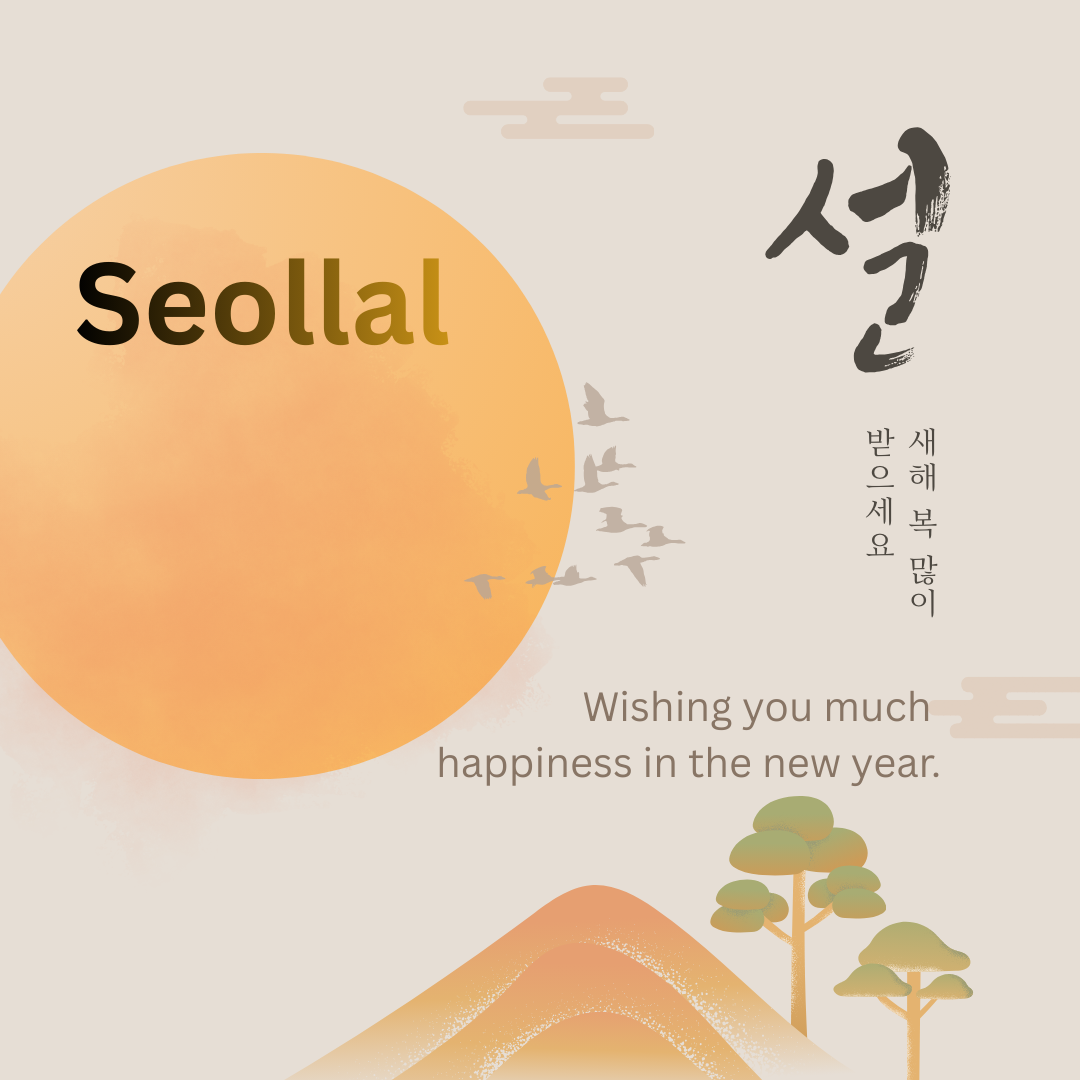
Every year, when Korea celebrates its traditional new year, Seollal, it is easy to think of it as only a cultural festival: family gatherings, a homely dinner, and quiet winter warmth. But beneath the long-standing culture lies a deeper and more fundamental reason, connected to history and science, beginning on the new moon, a precise moment when the moon aligns between the earth and the sun. Seollal emerged gradually from ancient agrarian society on the Korean Peninsula, shaped by moon–sun observations and later formalized through Chinese-influenced lunisolar calendrical systems. By the Three Kingdoms period (57 BCE
to 668 CE), celebrating the new year at this winter new moon was already established as state and household culture. Confucian philosophy during the subsequent Goryeo and Joseon Dynasties then codified it into the ancestor-focused, family-centered observance as familiar today.
As an Indian living in Korea, this feels warmly familiar. India and Korea have a lot more in common culturally than one would expect. Traditional Indian calendars are also lunisolar, governed by moon phases for months and the sun for seasons. Different regions of India choose different starting points, or new year’s day; some begin the year after a new moon, others with a solar transition.
“India and Korea have a lot more in common culturally than one would expect.”
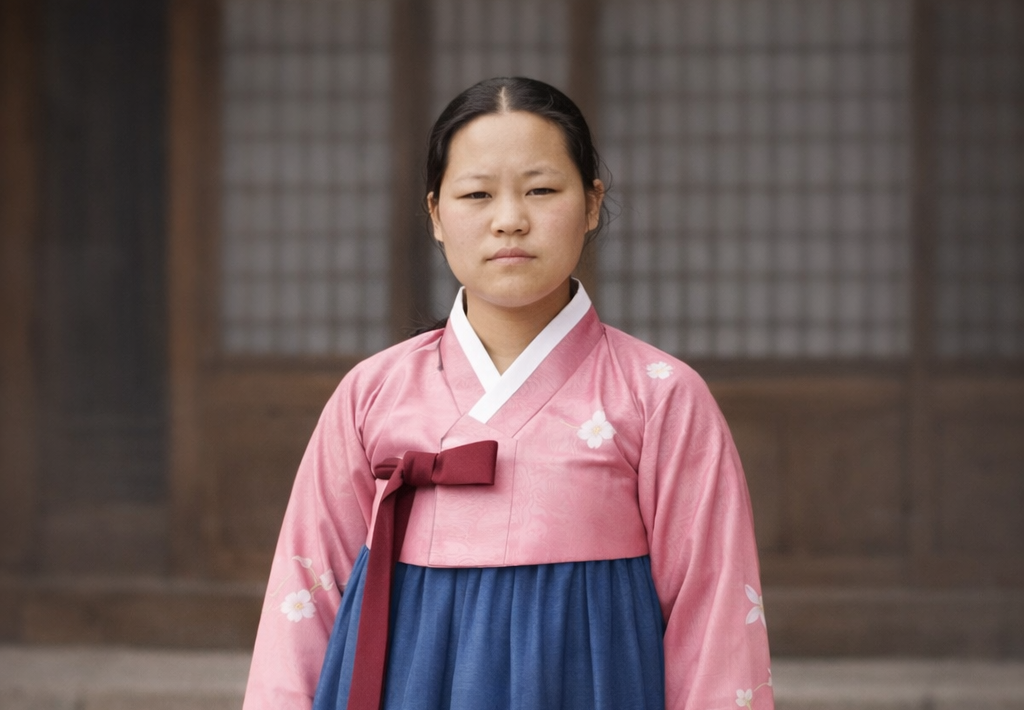
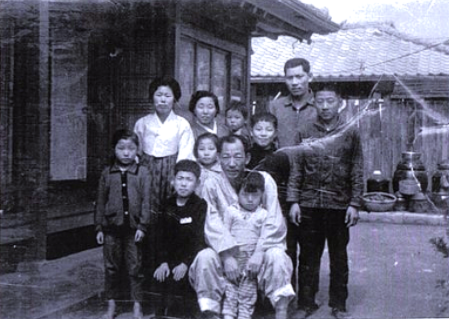
Last year, I experienced Seollal in Jinju, and it was memorable in ways I did not expect. The winter air was as sharp as the atmosphere in the streets, and the festival felt intimate and grand at the same time. Families traveled home, city noise softened, and time bent inward toward ancestry and continuity. Elders bowed before memorial tables, younger members performed sebae (formal bows to elders) with practiced sincerity, and kitchens filled with the slow, deliberate labor of preparing tteokguk (rice cake soup). Traditional hanbok apparel appeared as lived heritages, while games, shared meals, and long conversations replaced the usual urgency of modern life. Coming from India, where festivals are often vibrant, celebratory, and overflowing with color, the Seollal festival in Jinju reminded me of home. Watching Seollal unfolding under a new moon felt like watching the same cosmic clock that governs Diwali, Ugadi, or Gudi Padwa back home.
“Across Asia, cultures looked up … and built calendars from the same repeating dance of the moon and sun.”
That realization stayed with me. Across Asia, cultures looked up, tracked shadows, counted days, and built calendars from the same repeating dance of the moon and sun. Different traditions emerged, but the physics remained constant. Seollal is a reminder that before borders, before languages, humanity shared the sky as its first calendar.
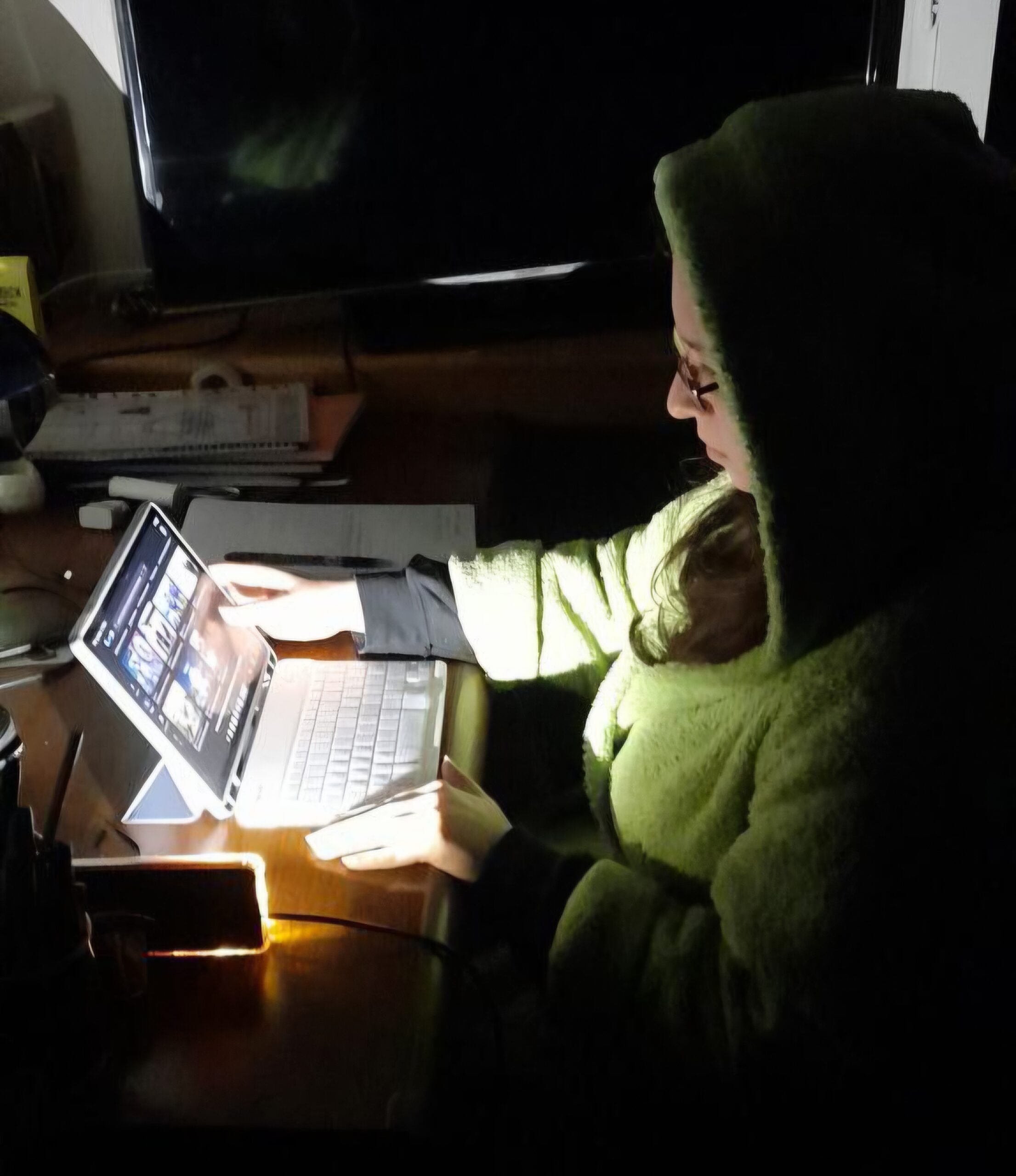
Academically, in the middle of an intense research routine, deadlines, data, and the quiet pressure to always be producing, Seollal arrives as a rare and necessary interruption. The pause feels legitimate, as laboratories slow down, emails go quieter, and the usual academic urgency briefly disappears. Stepping away from constant analysis and expectation allowed my thoughts to settle in a way that ordinary weekends never quite manage to do. The simplicity of the holiday offered much-needed mental clarity and no distractions. For someone like me, who is working in a high-stress research environment, Seollal is not just rest; it is recalibration, a reminder that sustained inquiry depends as much on moments of stillness as it does on relentless focus.
As this year’s Seollal approaches on February 17, I find myself genuinely looking forward to the celebration again, both as a participant and as an observer. To celebrate Seollal as an Indian in Korea is to feel connected twice over: culturally welcomed on Earth and astronomically synchronized under the same moon.
The Author
Siddhant Kumar is a geochemical oceanographer and researcher at TMBL at the Gwangju Institute of Science and Technology (GIST). His work focuses on marine minerals, sediment chemistry, and paleoenvironmental change. He is passionate about communicating ocean science to broader communities in Korea.