



Yu Gwan-sun: The March 1st Movement Female Leader
By Luis Andrés ||
March 1 marks one of the most significant national holidays in South Korea.
Known as Samil-jeol, it commemorates the March 1st Movement of 1919: a nationwide, civilian-led uprising that challenged Japanese colonial rule through mass demonstrations, petitions, and a bold declaration of independence.
For international readers, it may resemble other anti-colonial movements of the early twentieth century. Yet what makes March 1st especially powerful is not only its political impact but its moral foundation: a push for liberation voiced primarily through non-violent resistance.
As March also hosts International Women’s Day, revisiting Samil-jeol offers a meaningful opportunity to remember that Korea’s independence movement was not led solely by politicians or male intellectuals. It was also carried forward by students, teachers, workers, and young women. Among them, one name continues to resonate across generations: Yu Gwan-sun.
For historical context, it is important to note that the Korean Peninsula was formally annexed by Japan in 1910. What followed was not merely political occupation but an attempt at cultural erasure. Korean language education was restricted, Japanese names and customs were imposed, and economic systems were reorganized to serve the colonial center. Any form of political, cultural, or symbolic dissent was met with severe repression.
At the same time, new political ideas began to circulate among educated Koreans. Influenced by international discourses on self-determination, democracy, and national sovereignty – particularly those emerging after World War One – Korean intellectuals and students drafted a Declaration of Independence, which was read publicly on March 1, 1919.
The Japanese response was immediate and brutal. Organizers were arrested, publications were banned, and protests were violently suppressed. However, by then, the flame had irreversibly been lit. The independence movement had spread beyond elites and into the streets, markets, and villages across the peninsula.
After the public reading of the Declaration of Independence and the violent crackdown on protests in Seoul, Yu Gwan-sun returned to her hometown. She was only sixteen years old, a student at Ewha Womans University (then Ewha Hakdang). Yet, despite her young age, she continued to disseminate the ideas of self-determination and democracy by publicly reading the Declaration of Independence and organizing local resistance.
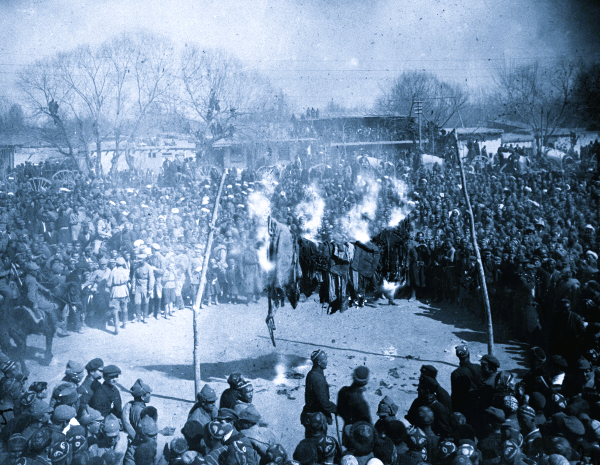
She played a central role in what is now known as the Aunae Market demonstration, which was met with severe violence. Dozens were killed, including Yu’s own parents.
Yu Gwan-sun was arrested and subjected to repeated torture. Colonial authorities sought to force her to renounce her beliefs and betray the independence movement. She refused. She refused to apologize. She refused to be silenced. She died in prison in 1920, at the age of seventeen.
Yu Gwan-sun’s story is, on one hand, unbearably tragic. On the other, in Korea, her legacy is not framed through victimhood alone. She is remembered as a symbol of agency and moral courage. She is remembered as a young woman who understood that resistance does not require physical power, only clarity of conviction.
Remembering Yu Gwan-sun during March should not be a mere coincidence linking Korean history with International Women’s Day. It should be an act of continued reflection and responsibility. Her life stands at the intersection of struggles that remain deeply relevant today: colonial domination, gendered expectations, youth activism, and the cost of speaking out.
In a global context where women’s political participation remains uneven, and where protest is often criminalized or dismissed, Yu’s story reminds us that history is shaped not only by leaders, but by those who refuse to accept injustice as normal.
March 1 is often described as a foundation stone of modern Korean democracy. International Women’s Day, meanwhile, asks us to reflect on who is remembered and how. Placing Yu Gwan-sun at the center of this conversation is not symbolic coincidence; it is historical honesty.
Unfortunately, Yu Gwan-sun did not live to see liberation. But her refusal to submit became part of the moral groundwork that made it possible. And that, perhaps, is the quiet power of March: remembering that freedom is often first imagined and defended by those who have the least to lose, except their silence.
The Author
Luis Andrés González is a Mexican GKS scholar and master’s student in cultural anthropology at Chonnam National University. He advocates for LGBTQ+ rights and gender equality, and explores global affairs through pop culture. He is the founder of Erreizando, a digital magazine. Instagram: @luisin97 / @erreizando
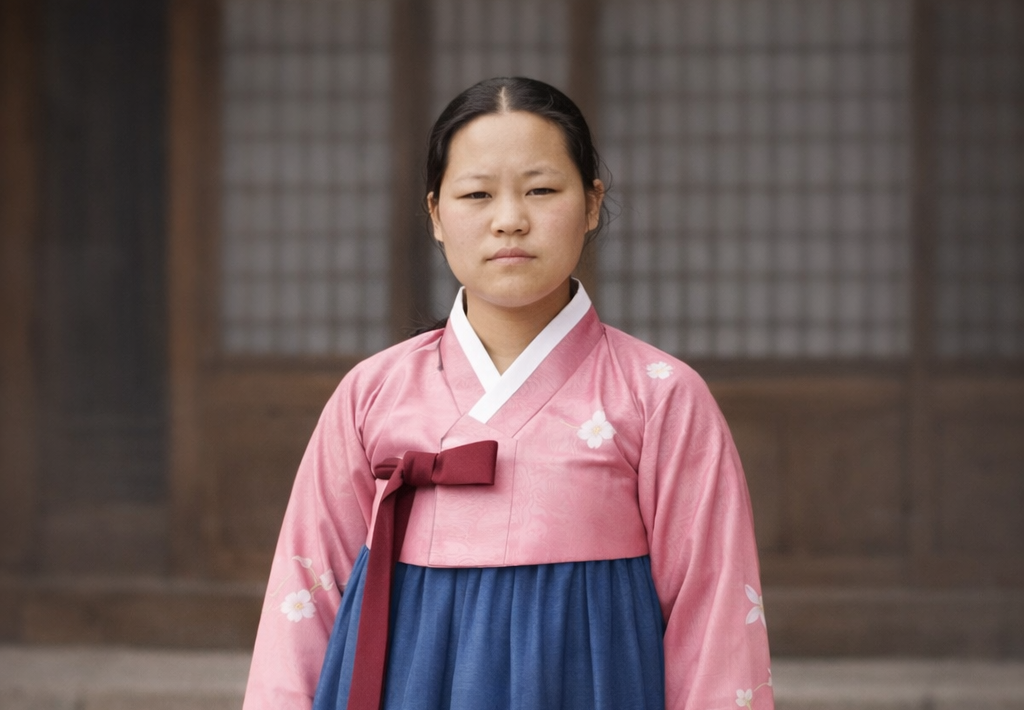
Cover Photo: Yu Gwan-sun in hanbok. (GN with OpenAI)