


Ponderings & Contemplations: Yeosu – A Storied City
By Park Nahm-Sheik
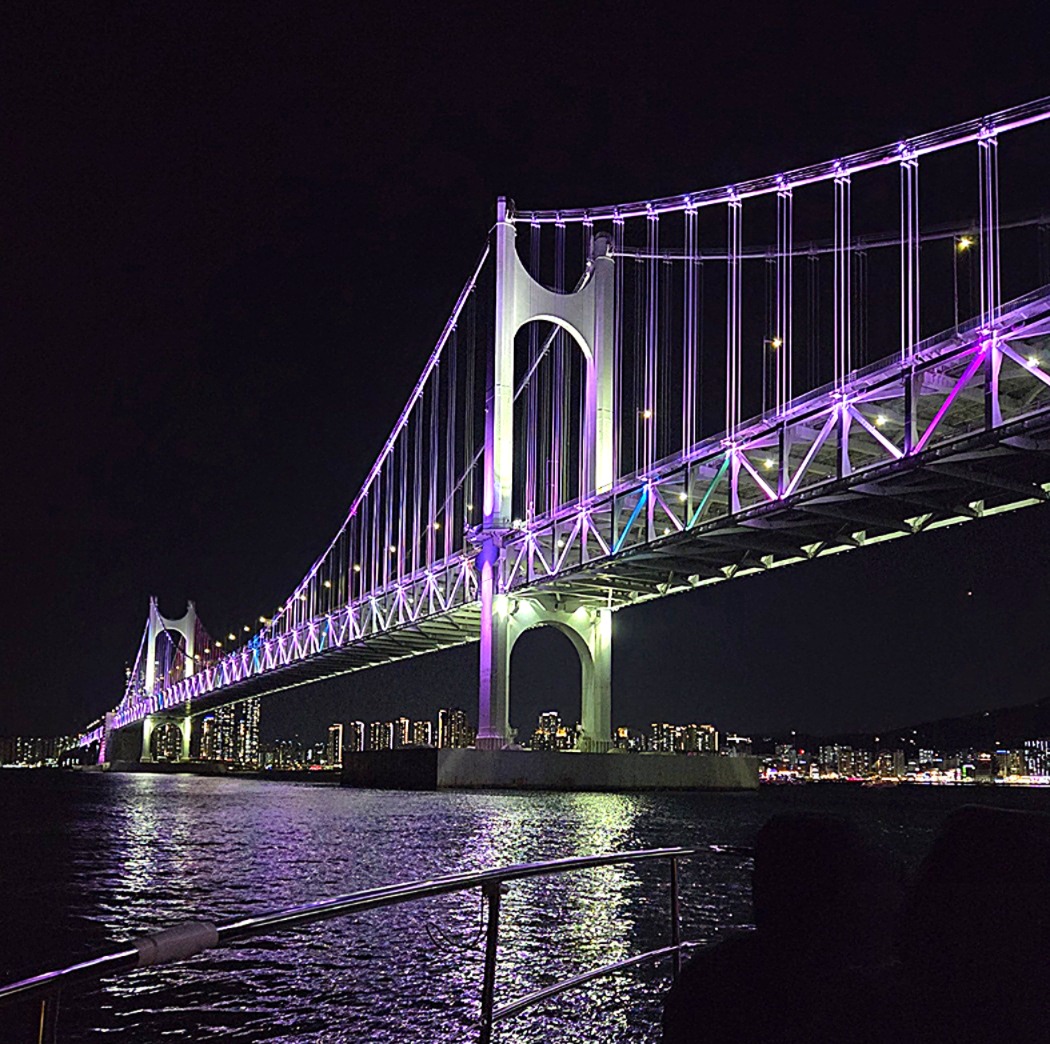
Yeosu is often mentioned along with Odong Island, a one-of-a-kind island within Yeosu’s jurisdiction. Odong Island is well-known for its unique colony of camellias. The island attracts legions of tourists, especially in late winter and early-to-mid spring when it is lush with camellias in full bloom. The island is also known for its landmark lighthouse located at 282-32 Odongdo-ro. A cable car network in service all year long connects Jasan Park on Odong Island to Dolsan Park on nearby Dolsan Island. At a charge of 20,000 won for adults and a mere 7,000 won for children, one can enjoy a breathtaking bird’s-eye view of the entire city. Given the mind-boggling scenery available at such a pittance, it is no wonder that swarms of tourists from all over the country flock to Yeosu to see this camellia colony that literally crowns the city, in addition to the other sights located around the city.
The island’s lighthouse is a major landmark that commands a panoramic view of the city and its surroundings. Taking advantage of the cable car service, one can easily appreciate the numerous other sights scattered throughout the city. Just imagine getting a lift in the cable car here: You get to access its fantastic views practically free of charge, and can enjoy a roller-coaster kind of passage above and through a tunnel of no less than 5,000 camellia trees!
You can also choose a walking or biking tour around the island. Should you tend to be a dynamically or energetically inclined person, this alternative might better suit you. Should you be a rather sedentary type, however, you might want to take advantage of the camellia train service available around the clock. There’s another distinction that Yeosu can pride itself on. In the geopolitical cartography of the world of slightly over a century and a quarter ago, Yeosu was so located as to be in the crosshairs of the major global powers operating in the Asia-Pacific theater.
To be more specific, Yeosu was coveted because of its potential utility as an ideal forward naval base for a seafaring non-Asian power searching for a beachhead or foothold on the Korean Peninsula and the rest of Northeast Asia. Take the British Empire, for instance. This sheds light on why the British authorities had their sights set firmly on Geomun Island just a short haul off the shore of Yeosu. To the outside world, Geomun Island was known at the time as “Port Hamilton,” courtesy of the British government. The Royal British Navy maintained its presence at Port Hamilton for just a couple of years (1885–1887). Korea was thus in the gunsights of major colonial powers, especially Britain and Russia. By establishing a strong presence in Korea, the British were sending an unmistakable signal to everybody that Russia’s southward expansion into Korea would be contained at any cost.
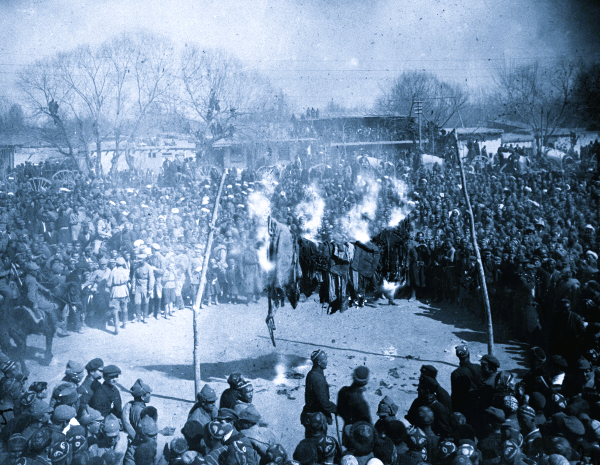
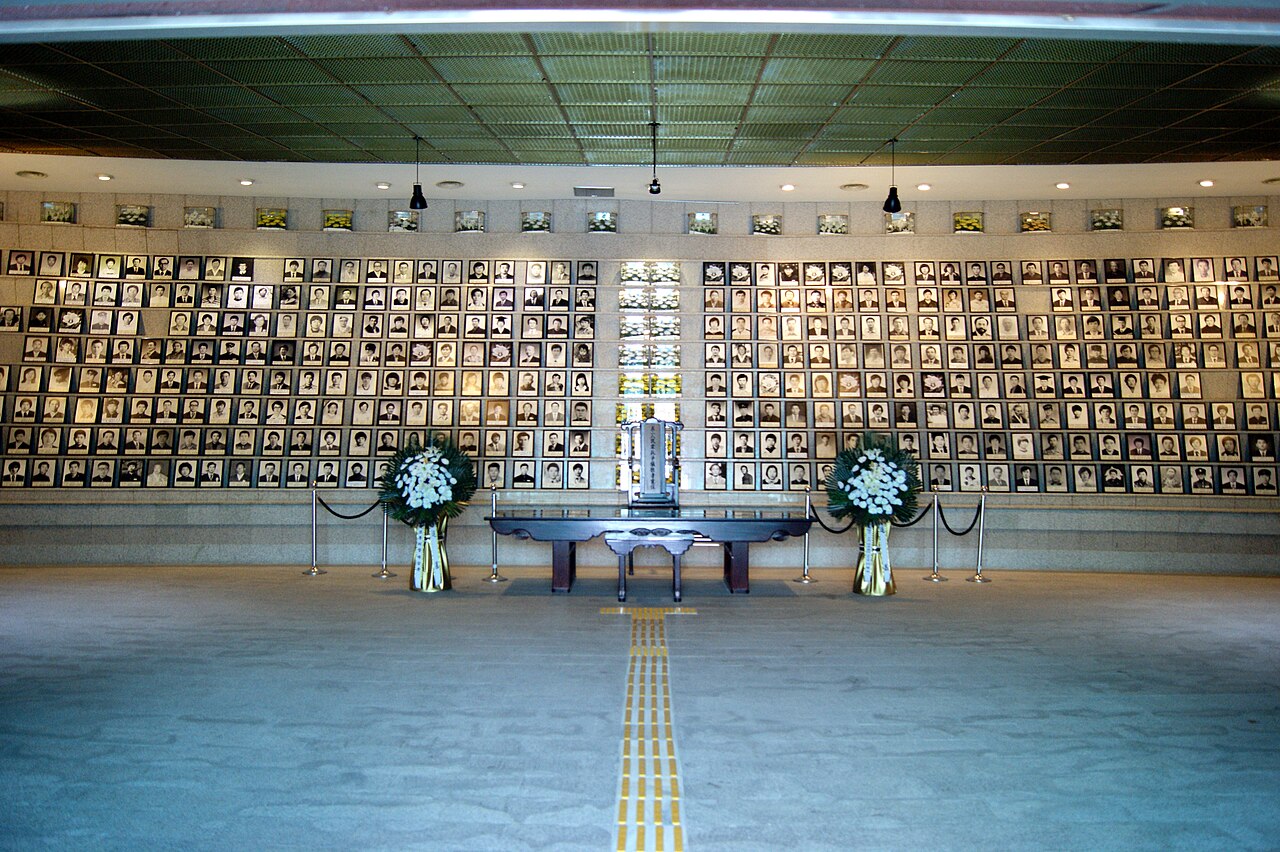
Yeosu also occupies an infamous spot in recent Korean history. It is often mentioned in the same breath as the nearby city of Suncheon in connection with an uprising generally known as the Yeosu-Suncheon Rebellion. The designation frequently gets linked to the late President Park Chung-hee’s name so as to indicate his alleged implication in the revolt. This uprising was one of the major inflection points in Korea in the last two thirds of a century, shaking up the entire country back in October 9–19, 1948. The 14th Regiment garrisoned in Yeosu was waiting to answer the call of the then-President Syngman Rhee to go quell the rebellion that was rapidly reaching a boiling point down on Jeju Island. A core unit of the regiment refused to comply with this call of duty, thus lighting the fuse of the uprising, turning the whole regiment into a den of rebellious bandits.
Park Chung-hee happened to be the regimental chief of staff at the time. Caught in the crosshairs, he became implicated in the revolt. However, he was granted amnesty on orders from President Syngman Rhee himself, supposedly for good behavior. According to dilettantes, the amnesty was allegedly in return for the amnesty recipient sharing some vital information on Communist collaborators implanted in the rebelling regiment.
This accusation, however, does not appear to have a leg to stand on. It may have merely been a baseless rumor, not grounded in fact. What evidence we can manage to marshal today is far from enough to either validate or debunk any charges against Park Chung-hee. Incidentally, the 14th Regiment Command may have decided not to comply with government orders to go and suppress the rebellion raising its so-called “ugly” head on Jeju Island so as to give a wide berth to the bloodshed of a fratricidal expedition. If correct, the regimental command’s deciding not to go on the Jeju Island mission wasn’t an act of rebellion. If anything, it may have been a patriotic move, pure and simple.
The Author
Park Nahm-Sheik is a native of Gwangju. After graduating from Chonnam National University, he went on to receive a master’s degree at the University of Hawaii and a PhD (applied linguistics) at Georgetown University, both in the U.S. Upon completing an illustrious career at Seoul National University, Prof. Park served as president of the International Graduate School of English.