

From Gwangju to Wollongong: Academic Journey of a CNU Alumna
By Kamila Ismanova
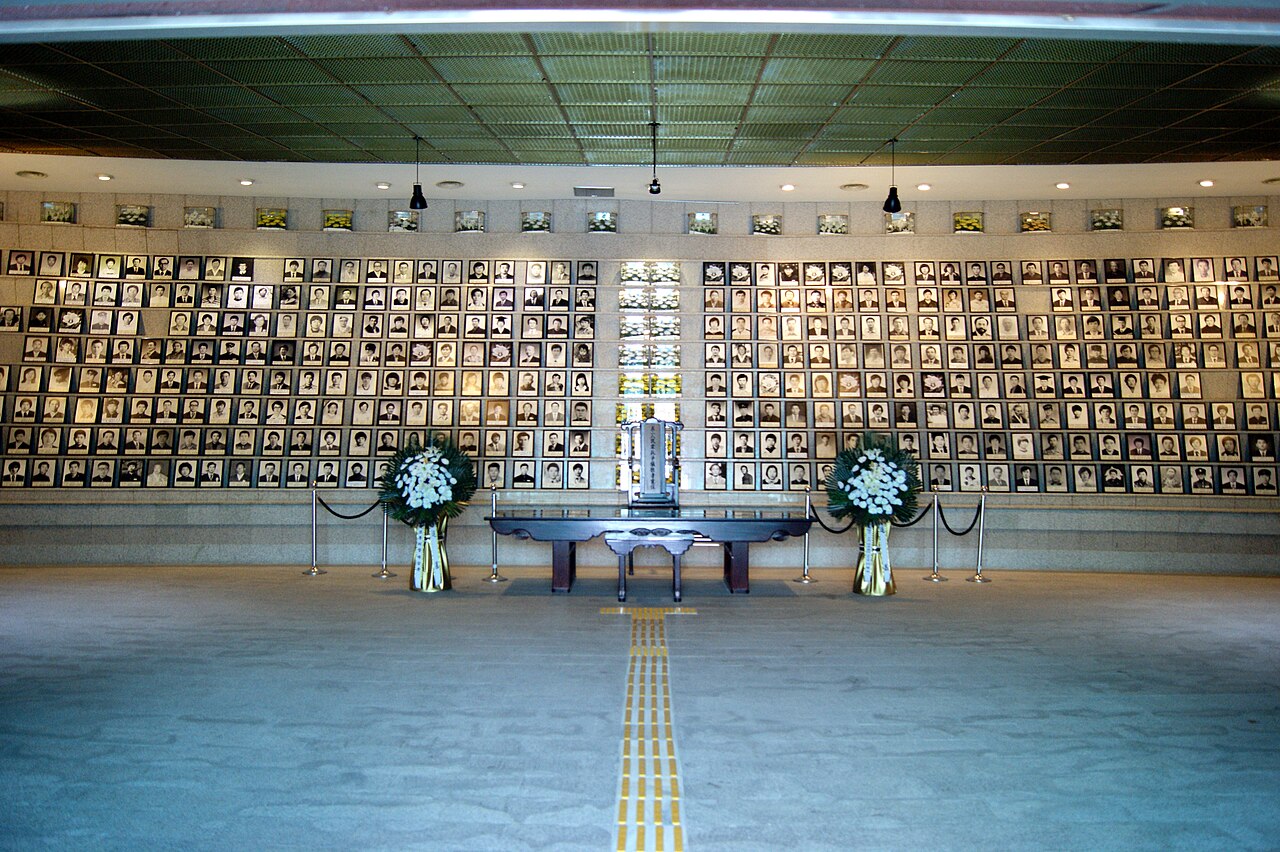
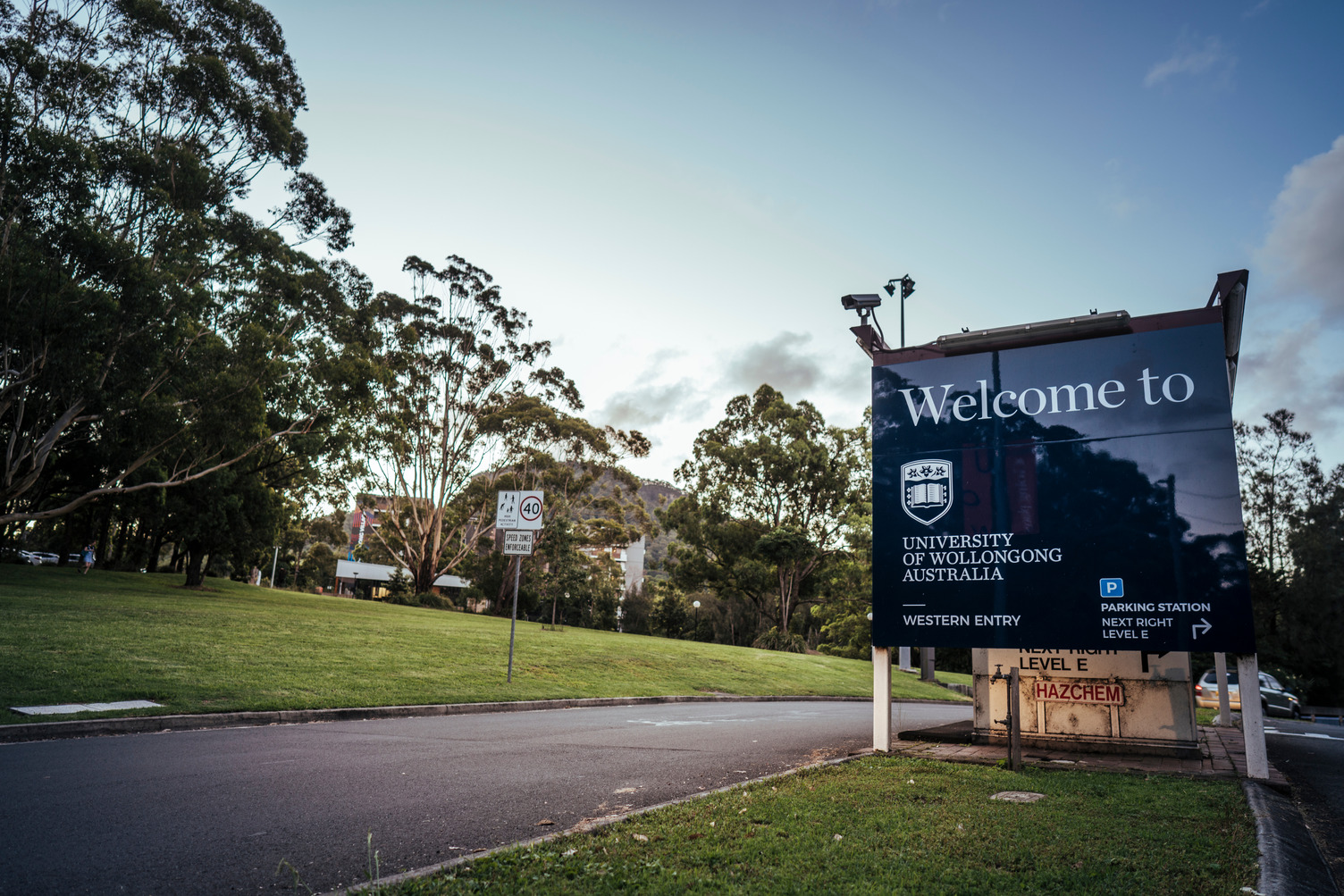
The last eight years of my educational journey have taken place within two vastly different countries: South Korea and Australia. I’ve been privileged to complete my undergraduate studies at Chonnam National University, which carries marks of the Gwangju Uprising and its historical impact on South Korean democracy. Followed by the completion of dual master’s degrees at the University of Wollongong, a major innovation hub that offers more than three hundred courses over nine Australian and four international campuses. Gwangju and Wollongong are homes to CNU and UOW, the universities that played a crucial role in the history and development of their local communities.
Growing up in Uzbekistan and Russia, where the education system strongly differs from both South Korea and Australia, allows me to form a unique perspective on academic similarities and differences, which might be of interest to undergraduate students determined to obtain a postgraduate degree abroad, as well as to the general public.
Teaching Style & Curriculum
Australian postgraduate studies are mostly divided into lectures and tutorials. Similar to its Korean counterparts – lectures are a type of class where the material is introduced by lecturers to the cohort in recorded or online forms, even post-pandemic. While lectures allow a limited time for Q&A, they are not generally interactive. On the other hand, tutorials are practical classes where interaction is not only encouraged but expected. While recorded lectures are uploaded Northfields Avenue to UOW on a weekly basis with an online quiz or two, tutorials are usually held fortnightly, sometimes weekly, for a duration of two hours. If the degree is offered on a trimester basis, then there will be ten lectures and five tutorials, which are equal to twenty hours of curated study time within the trimester.
While fortnightly classes might seem scarce, this curriculum structure takes into account that postgraduate students might be working full-time or have young families in addition to their studies. Every student is expected to be fully independent and in charge of their learning, considering the ever-increasing tuition fees. Students are encouraged to reach out to their lecturers and tutors to schedule time for one-on-one sessions, where they can ask for guidance on individual projects, group presentations, and exams.
Lecturers and tutors in Australian universities are seen as academic facilitators rather than authoritative figures. They encourage and motivate students to stay curious, ask questions, show initiative, and try to figure things out independently. All opinions are welcomed, further solidifying a strong sense of inclusivity. The lack of vertical academic hierarchy between students and educators fosters productive and open conversations. It’s not uncommon to call one’s professor by their first name or grab a drink with one’s tutor to celebrate the end of the trimester.
While university students in Korea cram vehemently before their exams, the students in Australia are buried beneath dozens of peer-reviewed academic journals to support their writing. Both education systems value collaboration between students and often assign group projects designed to imitate a real-life workplace project.
Student Lifestyle & Mental Health
There is a high emphasis on improving mental health across the campus, especially during exam weeks. UOW has The Pulse, a not-for-profit organization, that facilitates various cultural festivals like Diwali, wellness and art activities, concerts, and self-improvement workshops. Since Wollongong is a coastal city, students can always go to the beach or for a hike up Mt. Kembla (think smaller Mudeung Mountain). The culture of burnout is strongly discouraged, and students partake in social sports.
Cost of Education & Financial Support
According to CNU, a year of postgraduate studies in business administration costs roughly $3,238 USD, while the full MBA program that goes for one and half years would cost $40,000 USD on average in Australia.
Australian students are eligible for HECS-HELP – the Higher Education Loan Program – whereas international students can get scholarships or bursaries based on their previous academic performance and transcript.
It is painfully obvious that South Korea offers affordable tuition fees to both local and international students, while Australian tuition fees increase year by year to astronomical heights.
Graduate Employability
It is widely known that the Korean job market is highly competitive and intense, but landing a job after graduation in Australia, especially as an international graduate, is not a walk in the park either. In fact, students start learning job hunting strategies as a part of their elective subjects’ program. It can only be compared to a brutal battlefield of wielding resumes and cover letters, pulling every personal connection and bombarding every recruiter with a string of emails. Australian universities encourage students to start building a LinkedIn presence way before they graduate in hopes that students will build a network and integrate into the local professional workforce sooner rather than later. One of the most important factors in hiring an international graduate is the ability to be the right cultural fit.
Studying abroad is a life-changing experience. It comes with its challenges and rewards. Whether the reader might want to visit Australia as a tourist, to improve their English, or visit as an exchange student, they’ll find not only great universities but also a beautiful culture built on a passion for sports, with stunning beaches, and really great coffee!
Sources
- 2025 MBA Fees in Australia. (n.d.). MBA News. https:// www.mbanews.com.au/mba-fees-australia/
- Tuition. (n.d.). Chonnam National University. https:// global.jnu.ac.kr/Academics/Resources/Tuition
The Author
Kamila Ismanova has taken the scenic route through life and journeyed from Korea to Australia, landing down under to collect not one but two master’s degrees. Part-time overachiever, full-time marketer – forever chasing stories, sunshine, and strong coffee.
Cover photograph by ArtisoRisi for UOW.