


From Survival to Confidence: A Journey in Learning Korean
By Muhammad Umar Tahir ||
I did not realize how important the Korean language was until a bus driver at Incheon Airport looked at me, spoke rapidly in Korean, and waited for an answer I could not give.
It was my first day in Korea. I was traveling to Gwangju by bus and needed a ticket receipt as proof of travel. Without a local bank card, cash was my only option. The driver explained something in Korean, adding hand gestures that somehow made everything more confusing. I smiled, nodded, opened my translation app, typed quickly, and still failed to understand what he was trying to tell me.
This was during the COVID period. Seats were empty, people were distant, and there was no bilingual stranger nearby to rescue me. After a while, the bus departed. I sat by the window, enjoying Korea’s scenery for the first time, hoping my next conversation would be easier than the first.
Fortunately, near my destination, a passenger who spoke a little English helped me get the ticket receipt. It felt like a small victory and a big reminder that life in Korea would be easier with the Korean language.
At the time, I convinced myself that English was enough. Inside the university (GIST), it usually was. Classes, research meetings, presentations, and emails all ran smoothly in English, making the compulsory Korean course feel optional. Unlike programs such as GKS (Global Korea Scholarship), where students receive dedicated time for language learning, most international graduate students juggle heavy coursework, research pressure, and deadlines. Learning
Korean becomes something we plan to do later. Unfortunately, “later” keeps moving further away.
Things changed once life moved beyond the campus. After marriage and moving into family life, Korean stopped being a language I could avoid. Hospitals, childcare centers, government offices, markets, and transportation became part of daily life. Suddenly, English was no longer enough.
I remember visiting the Damyang Bamboo Forest, still one of my favorite places in Korea. There was an option to rent a small cart to explore the area. I wanted to try it badly. I stood there smiling, listening carefully, understanding nothing, and eventually walked away without asking again. It was a small moment, but it stayed with me. Language barriers do not only block big opportunities. Sometimes, they even quietly steal away simple joys.
Later, during hospital visits and medical situations, the importance of Korean became even more obvious. In stressful moments, relying entirely on translation apps feels risky. And beyond serious situations, daily life itself demands some Korean. Even ordering food can turn into an adventure if you are not prepared. One can only survive so long as pointing at menus and smiling politely is effective. Soon one begins to wonder if learning the language might actually be easier.
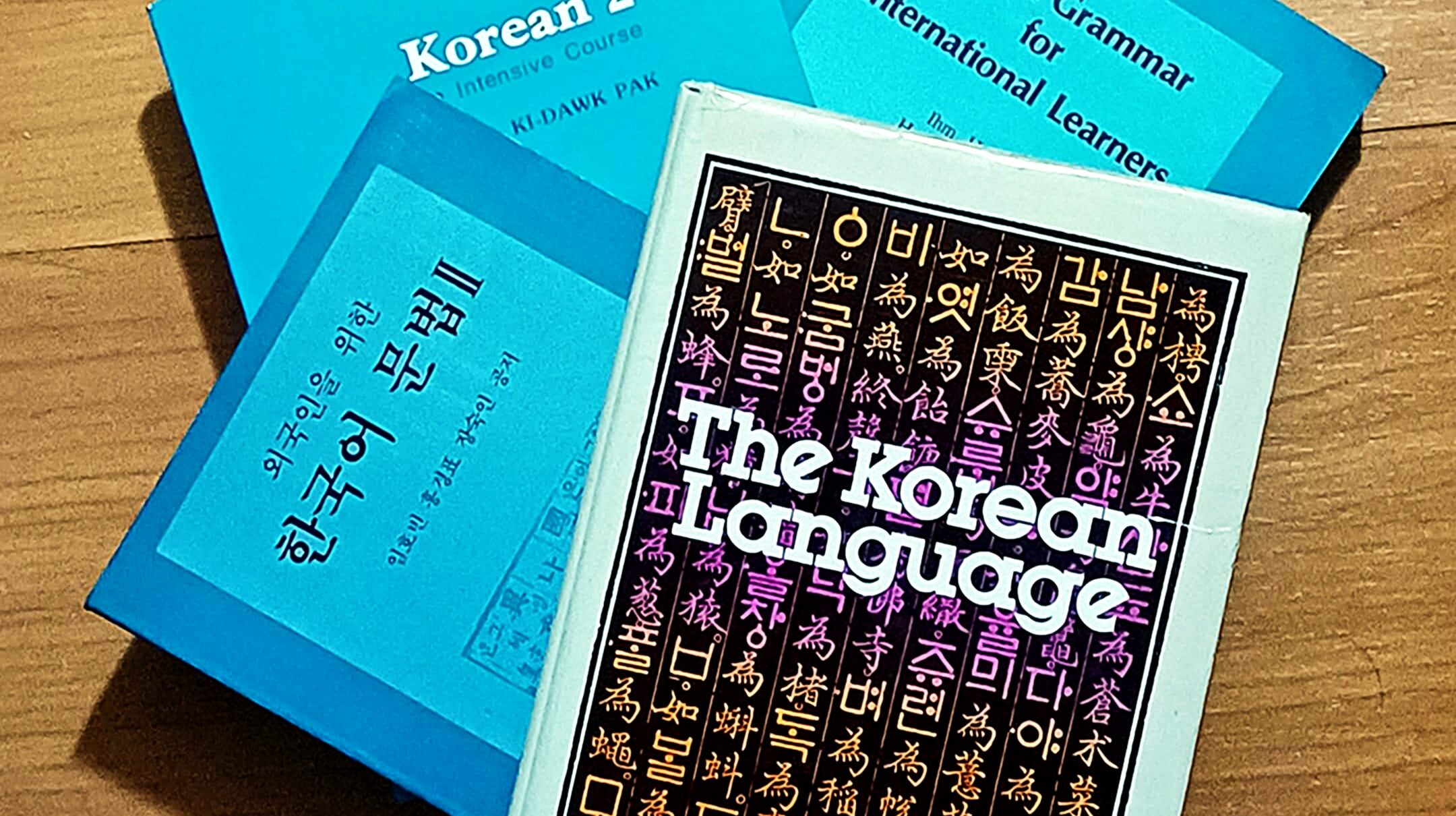
That realization pushed me to take Korean seriously. I joined the Korean Immigration and Integration Program, known as KIIP, expecting something similar to university language classes. Instead, everything was conducted in Korean! Instructions, explanations, discussions. All in Korean. On the first day, I barely understood anything and silently questioned my life choices.
Most participants seemed comfortable. Many were industry workers or spouses of Korean nationals who had regular exposure to native Korean speakers. Daily conversation came naturally to them. As an international graduate student living mostly in an English-speaking academic environment, I felt far behind. Listening was difficult. Speaking felt embarrassing. Responding felt almost impossible.
But one important lesson became clear early on: Perfection is not required to start.
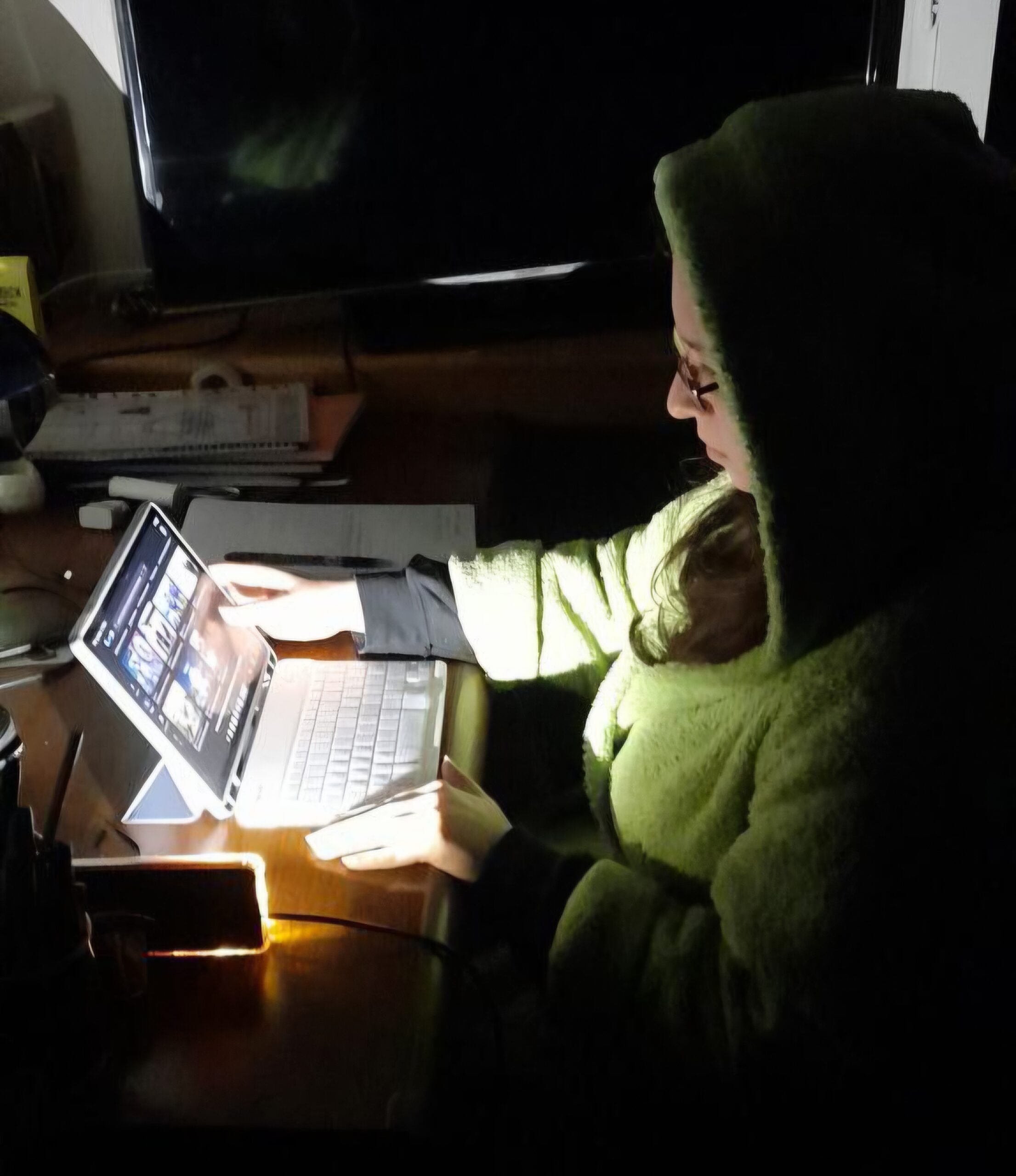
I continued KIIP while adding small learning habits that fit into a busy academic schedule. Short daily practice, conversation apps, Korean dramas with subtitles, and conversation groups where we forced ourselves to speak only Korean even when it felt uncomfortable. Many times, I managed to say my sentence clearly, only to freeze completely when the reply came back. I smiled, nodded, and quietly thought, “What just happened?”
Still, something slowly changed.
I started listening to Korean radio while driving. I watched Korean movies more intentionally. Sometimes, I even took taxis just to practice talking to drivers in Korean, even though I owned a car. Occasionally, the driver was not interested in conversation, which made things awkward. Most of the time, though, it turned into a friendly and unexpected learning moment. Scenario-based practice, listening carefully, and speaking without fear made a real difference.
Technology today makes life easier. Translation apps are improving. Interpretation services are available. More institutions now offer English support, and Korea itself is gradually becoming more English-friendly.
Yet, for confidence, independence, and a sense of belonging, learning Korean remains powerful. Helping other international students by translating or assisting them in Korean has also strengthened my own skills. The joy of helping others, surprisingly, became another motivation to keep learning. Whether someone plans to stay in Korea long term or eventually leave, learning the language always pays back. It makes daily life smoother, interactions warmer, and experiences richer. When learned smartly, with realistic expectations and consistent effort, it never becomes a waste of time.
Korea is a country rich in science, technology, and innovation. As international graduates, making the effort to move one step toward the Korean language is also a way of giving something back. It allows us to participate more fully, contribute more meaningfully, and connect more deeply with the society around us.
Today, I am not fluent. But I am confident. I can manage daily conversations, navigate life with less stress, and yes, confidently reorder side dishes at restaurants without pointing at pictures. Learning Korean did not just change how I communicate. It changed how I live, and it can potentially change your life as well.
The Author
Muhammad Umar Tahir is an electrical engineer pursuing his PhD in the Artificial Intelligence Convergence Department at Gwangju Institute of Science and Technology (GIST). He is interested in applying AI to healthcare devices, particularly in advancing medical imaging technologies and brain stimulation. Outside research, he enjoys exploring new places, meeting people, and exchanging ideas on how innovation can improve the quality of life.