


Neulbom: “Forever Spring” for Schoolchildren – Gwangju’s Approach to an After-School Program
By Yun Seongsuk
South Korea continues to face challenges balancing work and family life, particularly childcare before and after school. To address this, the Ministry of Education launched the Neulbom School nationwide in 2025 – a unified system that combines education and care. The term neulbom (늘봄) means “forever spring,” reflecting a nurturing space where children can grow and thrive.
In Gwangju, Neulbom programs are organized into morning, afternoon, and evening sessions. Evening Neulbom is supported by local childcare centers, offering this additional care for families who need it. This locally adapted model ensures that children are safe and engaged while families receive practical support.
What Is the Neulbom School?
The Neulbom School is South Korea’s national edu-care initiative, designed to support both children’s growth and families’ work–life balance. Launched nationwide in 2025, it brings together and strengthens existing after-school and care services under a unified system. Notably, it has introduced daily enrichment programs tailored to younger students and expanded care services across all elementary grades.
Afternoon Neulbom, the core program after regular classes, includes three types of programs:
Customized Programs (맞춤형 프로그램): These are free, daily enrichment-based care sessions for first- and second-graders, lasting about two hours per day. Activities are tailored to students’ developmental needs and may include play-based learning, science, arts, physical activity, and emotional support. Schools design and operate these programs to create a warm, nurturing space for young learners.
Selective Care Programs (선택형 돌봄): These optional, free care services are available to students in Grades 1 through 6. They focus on providing a safe and relaxed environment for rest, play, and basic daily support before or after school hours. Program availability depends on school capacity and family needs.
Selective Education Programs (선택형 교육): These are low-cost optional classes for Grades 1 through 6, covering subjects such as music, English, coding, arts, and sports. In Gwangju, first-graders are fully subsidized (720,000 won per year), while additional fees may apply in the higher grades depending on the program.
How Gwangju Makes It Special
Gwangju follows the national Neulbom framework while adding local strengths. One example is financial support for selective programs: in 2025, all first graders in the city were fully subsidized (720,000 won per year) for participation in selective education classes such as art, robotics, or sports. In addition, Gwangju offers evening care in partnership with local childcare centers located near schools, helping families who need extended support beyond regular hours.
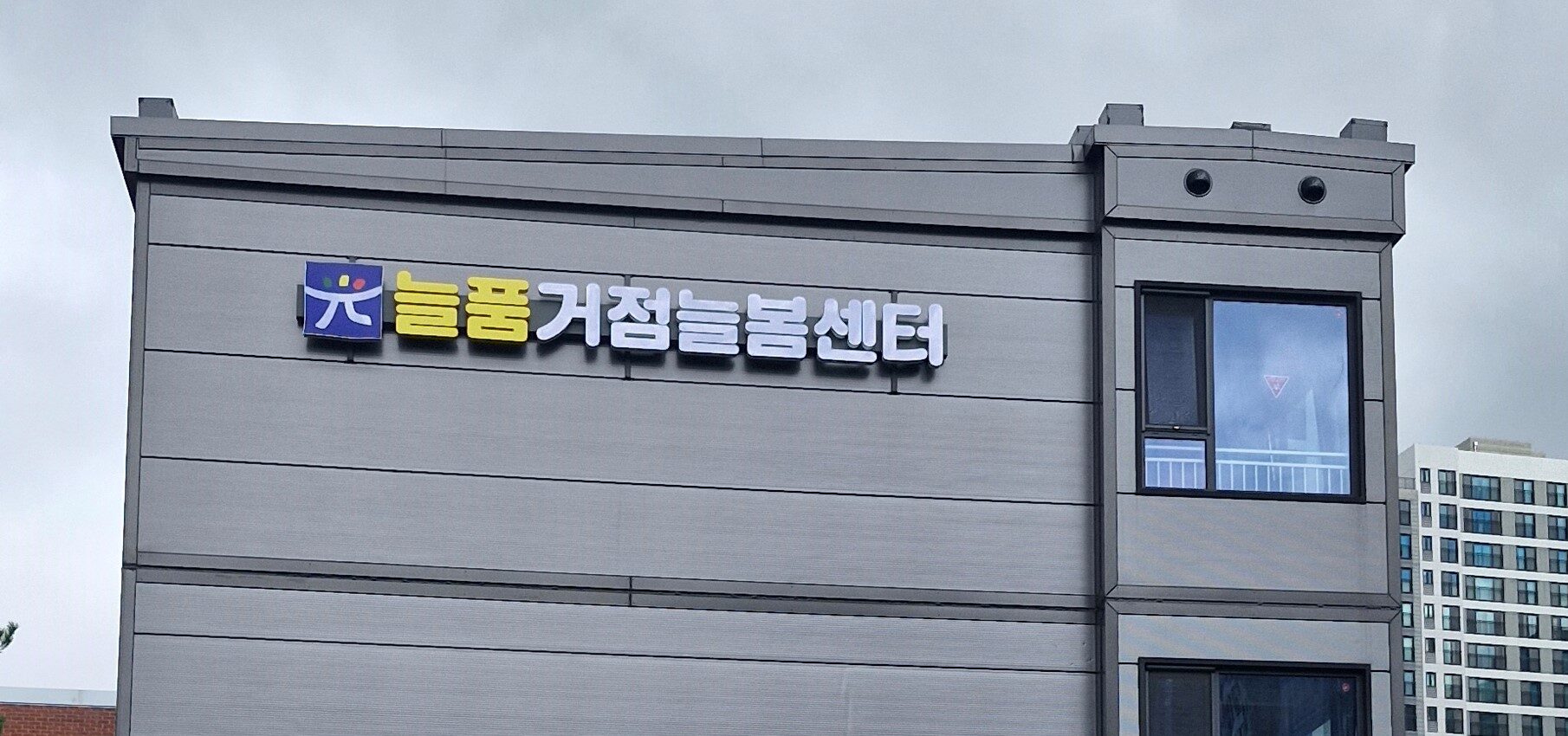
A weekend Neulbom program is available at the Neulpum Regional Hub Center (늘품거점늘봄센터) at Hyodong Elementary School in Buk-gu. It provides care on Saturdays and Sundays (9 a.m. – 5 p.m.), including enrichment activities, meals, and emergency support. Priority is given to students who may have limited caregiving support at home, based on school-specific criteria.
The Gwangju Metropolitan Office of Education’s Neulbom Support Center (광주광역시교육청 늘봄지원센터) provides overall coordination and professional guidance to schools, supporting teachers and families while ensuring smooth operations. Beyond these structured supports, it’s the everyday moments at school – children exploring, playing, learning, and being seen – that truly reveal what Neulbom means to them.
Little Moments at Neulbom
I often see how students use Neulbom in ways that reflect their personalities. Some prefer quiet activities like drawing or reading, while others enjoy science experiments, music, or group games. Many simply appreciate a warm, welcoming space to relax and chat with friends after school. A first-grader once told me, “I was really thankful when a Neulbom volunteer helped me find the classroom I was looking for.” Small moments like this add up, showing that when children feel seen and supported, even a regular afternoon can become something special.
Making the Most of Neulbom
Here are a few tips for how parents can make the most of Neulbom:
- Check the school’s guide every month. Details are shared online through school messaging apps like e-Alimi.
- Once you receive the Neulbom schedule via e-Alimi, make sure to apply early – some popular programs fill up quickly.
- Talk with your child before applying. Discuss their interests and choose programs together – it helps them feel involved and excited.
- Create a simple timetable at home to help your child manage their activities. This supports independence and builds good habits.
- Plan for safe commuting. Parents remain responsible for safe travel to and from school.
Community-Based Options
In addition to school-based Neulbom programs, Gwangju has many well-established community childcare centers (지역아동센터) offering a wide range of programs. These centers provide after-school care, homework support, meals, creative activities, and occasional field trips. By participating, children can explore activities that match their interests and personalities beyond the school setting.
For parents, these centers complement school- based services by providing flexible, community- rooted support. Since space is limited, families are encouraged to contact a nearby center to check availability. Most communication at both Neulbom programs and community childcare centers is in Korean, so basic language skills can be helpful for international families.
A Final Thought
Neulbom gives children a safe and enriching space to explore their interests. For parents, it provides peace of mind, easing the daily challenges of childcare. Yet this support is a tool, not a substitute for home. The most meaningful experiences for a child often happen in simple, shared moments with loved ones. By working together, we can ensure every child’s afternoon is safe, enriching, and full of joy – a “forever spring” nurtured both at school and at home.
The Author
Yun Seongsuk loves music, the lively stir of spring, and the wide blue skies of fall. In 2025, she began a new journey as one of the city’s first 50 Neulbom support officers, working with several elementary schools in Gwangju. With a background as an elementary school teacher and English Center manager, she now enjoys learning through new experiences – outside the classroom, but still close to the heart of learning.
Cover photograph by Yun Seongsuk.