

Exploring Korea: Gwangju Weekends – Art, History, and Everyday Joys
By Neha Bisht ||
Gwangju may not always be the first city foreigners think of when planning a weekend in South Korea, but those who spend time here quickly discover its quiet charm, cultural depth, and surprisingly diverse leisure options. From vibrant downtown streets and gaming zones to peaceful parks and riverside cycling tracks, Gwangju offers a balanced mix of urban fun and relaxed outdoor living – perfect for an enjoyable weekend.
Play and Chill: Gaming Zones and Arcades
One of the first things many foreigners notice in Gwangju is Korea’s strong gaming culture. Arcades and gaming zones are popular weekend hangouts, especially around downtown areas.
Game centers offer everything from classic claw machines and rhythm games to racing simulators and VR experiences. PC bang (gaming cafés) are also widely available and remain social spaces where friends gather for multiplayer games or esports sessions. Many of these venues stay open late, making them ideal for relaxed evening outings.
Downtown Delights: Cafés, Bars, and Movie Nights
Downtown Gwangju comes alive on weekends, especially around Chungjang Street, the city’s main commercial and social hub. Cafés, dessert shops, street food stalls, shopping areas, and occasional street performances make it a lively place to explore both day and night.
Movie lovers are well catered for, with major cinema chains such as CGV, Megabox, and Lotte Cinema operating across the city. These theaters regularly screen international films, often with English subtitles, making movie nights an easy and popular option for foreigners.
In addition, smaller local theaters and cultural cinemas sometimes host independent, international, or festival films, particularly during special events and film seasons. Watching a movie followed by dinner downtown is a classic and easy weekend plan in Gwangju.
Active Weekends: Skating, Bowling, and Indoor Fun
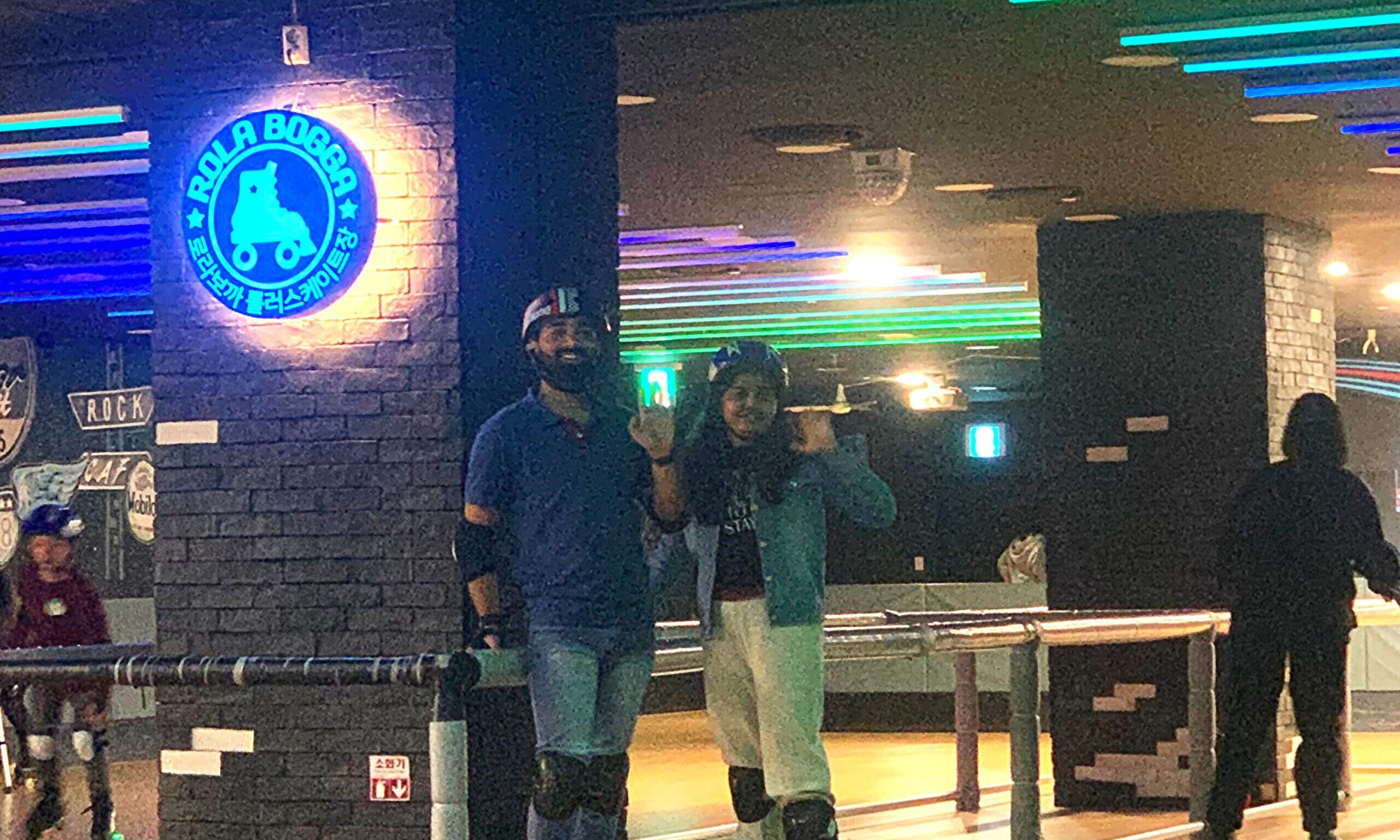
For those who enjoy staying active, Gwangju offers plenty of indoor recreation options. Ice skating rinks and roller skating (normal skating) venues are popular group activities suitable for beginners and experienced skaters alike. Bowling alleys are lively social spaces, often combined with arcades, billiard halls, and snack bars.
Indoor sports centers also provide table tennis, darts, and pool, making them great choices for rainy days or colder seasons.
Arts & Culture: ACC, Biennale, and Creative Spaces
Gwangju is widely recognized as one of Korea’s cultural cities, and weekends are the best time to experience its artistic side.
The Asia Culture Center (ACC) is the city’s cultural centerpiece, hosting exhibitions, performances, film screenings, and interactive workshops throughout the year. Many events are free or low-cost, and English information is commonly available, making it especially welcoming for foreigners.
Gwangju is also internationally known for the Gwangju Biennale, one of Asia’s most important contemporary art exhibitions. Held biannually, it attracts artists, curators, and visitors from around the world and reinforces the city’s reputation as a hub for global artistic dialogue.
Beyond these major institutions, smaller galleries, live-music venues, and independent cultural spaces – often near downtown and university areas – showcase both Korean and international artists. Seasonal festivals and pop-up art events frequently add to the weekend atmosphere.
History, Memory, and Community Spaces
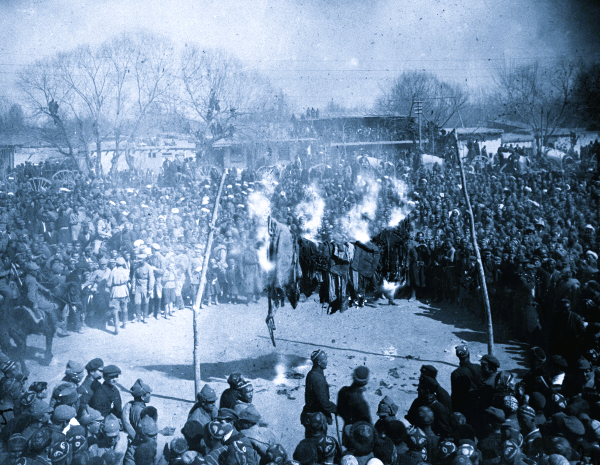
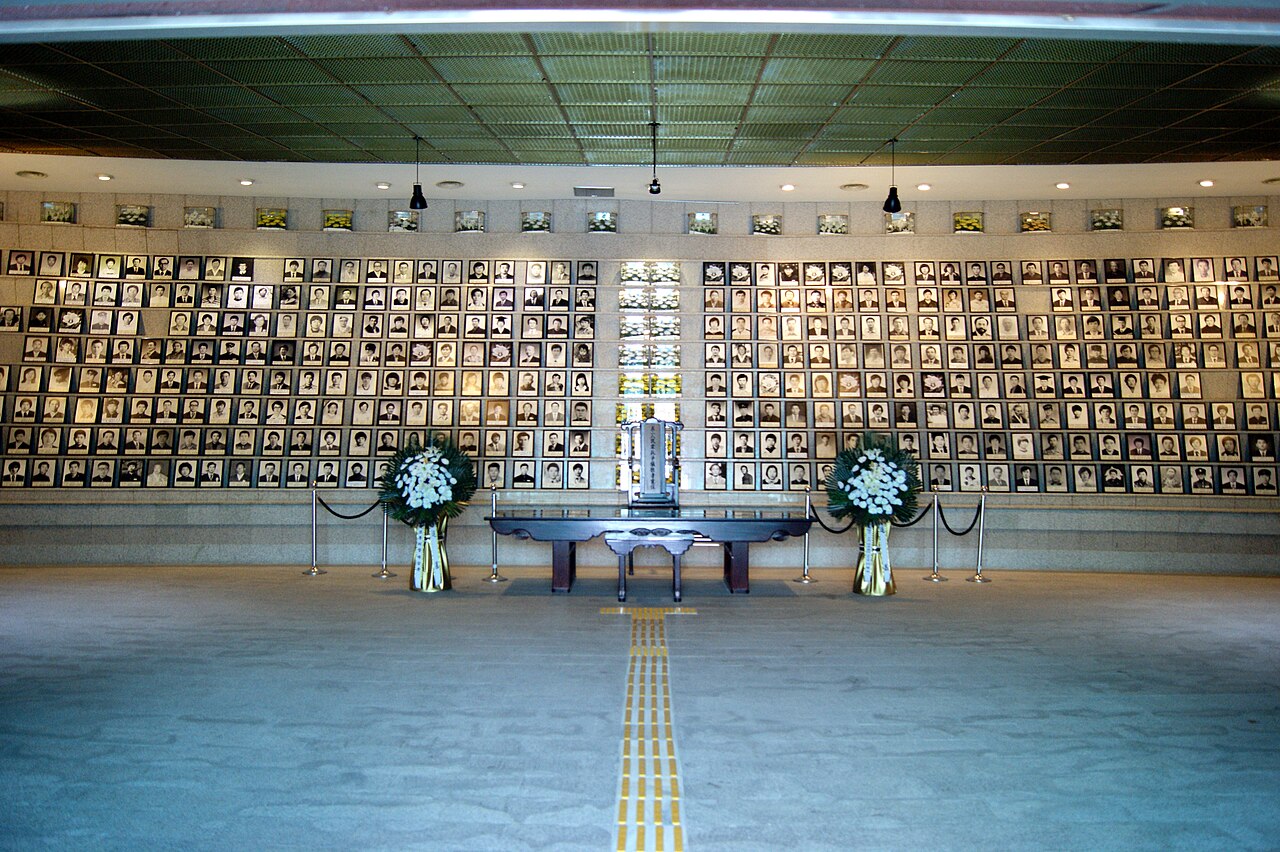
No cultural experience in Gwangju is complete without understanding its modern history. The May 18 Archives (5.18 민주화운동기록관) tells the powerful story of the 1980 Gwangju Democratic Movement, a defining moment in South Korea’s struggle for democracy. Through photographs, documents, personal testimonies, and multimedia exhibits, the museum explains the sacrifices made by citizens and the movement’s lasting national impact. English explanations are available, making it accessible for foreign visitors.
Nearby memorial spaces provide quiet areas for reflection and help visitors understand why Gwangju is often described as the moral and democratic heart of Korea.
A short distance away, Penguin Village (펭귄마을) offers a very different but equally meaningful experience. Revitalized by elderly residents using recycled materials, murals, and playful penguin-themed art, the village tells stories of memory, everyday life, and resilience. It is a favorite spot for photography, slow walks, and experiencing Gwangju’s strong sense of community.
Relax & Recharge: Parks, Nature, and Cycling
When you need a break from the city’s energy, Gwangju’s green spaces offer calm and fresh air.
Uchi Park (우치공원) is a favorite among locals and foreigners alike. With wide walking paths, open lawns, and nearby attractions such as a zoo and small amusement rides, it’s perfect for relaxed strolls, casual picnics, or easy weekend outings.
Sajik Park (사직공원) is especially loved for its elevated viewpoints. Located close to the city center, it offers walking paths, shaded seating areas, and panoramic views of Gwangju’s skyline – particularly beautiful at sunset and at night.
For nature lovers, Mudeungsan National Park provides scenic hiking trails and breathtaking views just outside the city. Lake Park (호수공원) offers a peaceful setting for jogging, cycling, or evening walks.
Cycling enthusiasts can explore the Yeongsan River Bike Routes, part of Korea’s national cycling network, which passes through Gwangju and offers long, scenic riverside routes. A more local favorite is the Seomjin River cycling track, a well-maintained path popular for cycling, jogging, and leisurely walks. Its relaxed atmosphere makes it a natural meeting place for locals, students, and foreigners.
Food Adventures: A Weekend Essential
Weekends in Gwangju are never complete without good food. The city is especially famous for tteok-galbi (grilled short rib patties), a signature Gwangju dish known for its rich, smoky flavor. Other local specialties are ori-tang (duck soup) and duck barbecue, which are widely enjoyed in Gwangju and Jeonnam Province for their deep, herbal taste and nourishing qualities.
Traditional Korean BBQ, kimchi-based stews, and spicy street snacks are also must-tries. Markets and small neighborhood restaurants serve hearty, affordable meals – perfect after a full day of activities.
International cuisine is also growing in popularity. From Western comfort food to Middle Eastern, South Asian, and fusion options, foreigners can find familiar flavors, especially near university areas.
Tips for Foreigners
- Language: English signage is common downtown, but learning a few basic Korean phrases goes a long way.
- Support & Community: The Gwangju International Center (GIC) is a valuable resource for foreigners. It offers Korean language classes, cultural programs, legal and saenghwal (daily life) support, and regular social events that help newcomers connect with both locals and the international community.
- Media & Culture: The UCC (Universal Culture Center) and local university hubs often host cultural talks, performances, film screenings, and student-led events. These spaces are great for experiencing local culture and meeting people in an open, friendly environment.
- Meetups & Events: Check local Facebook groups, GIC notice boards, and university community pages for language exchanges, weekend meetups, and cultural activities.
Whether you’re looking for excitement, cultural inspiration, new friendships, or a peaceful escape, Gwangju offers a well-balanced weekend experience. From arcades and cinemas to art exhibitions, cycling tracks, and mountain trails, the city proves that meaningful weekends don’t always require big crowds or famous landmarks – sometimes, they’re found in places that quietly grow on you.
The Author
A native of India, Neha Bisht is pursuing her PhD research at Chonnam National University’s School of Materials Science and Engineering. She loves to meet new people and make new friends. Neha endeavors to contribute to the well-being of society in whatever way she can.
Cover Photo: Skating and gaming zones inhabit the downtown area. (Neha Bisht)