


Gwangju City News – August 2025
80 Years of Liberation
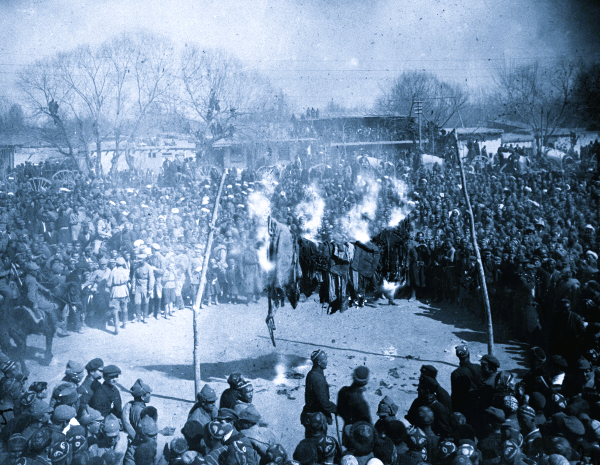
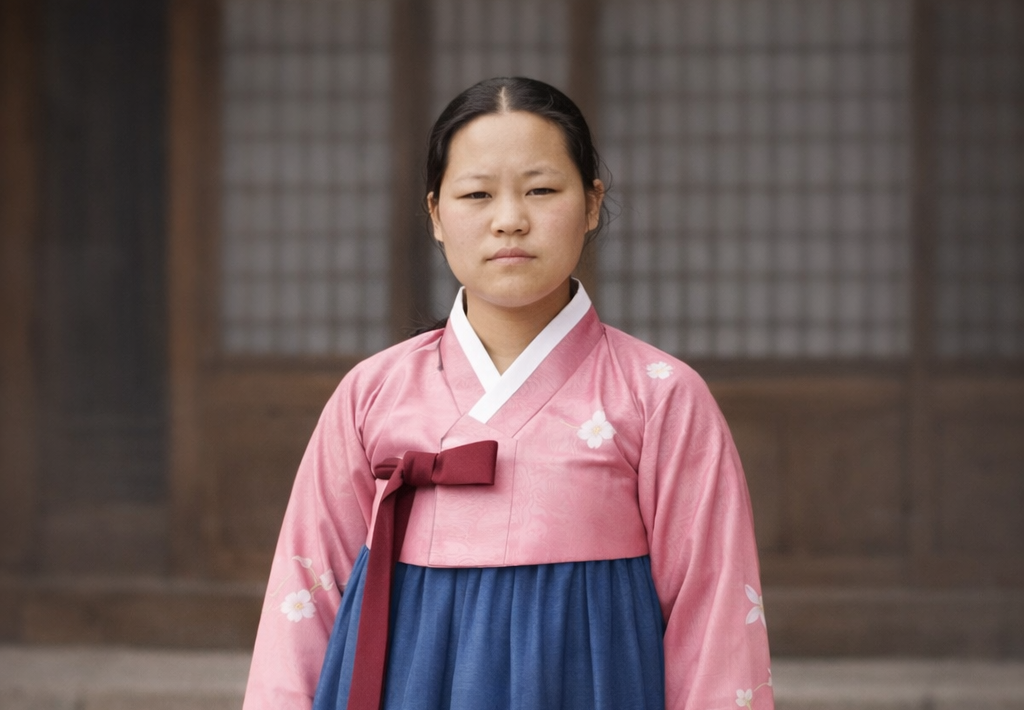
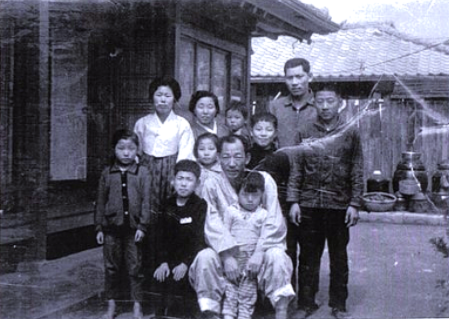
August 15 marks the 80th anniversary of Korea’s liberation from Japanese colonial rule in 1945. This year, the city of Gwangju observes the day with deep reverence, reflecting on its painful past and honoring the hard-won values of freedom and democracy that shape today’s Korea.
In Korean, Liberation Day is known as Gwangbok-jeol. The term gwangbok (광복, 光復) literally means “restoration of light,” signifying the end of 35 years of colonial occupation and a historic turning point in Korea’s journey toward sovereignty. And jeol means “day/ period.” Liberation Day is widely regarded as the symbolic beginning of Korea’s path to becoming an independent and democratic nation. The government of the Republic of Korea was formed on August 15 three years later, in 1948.
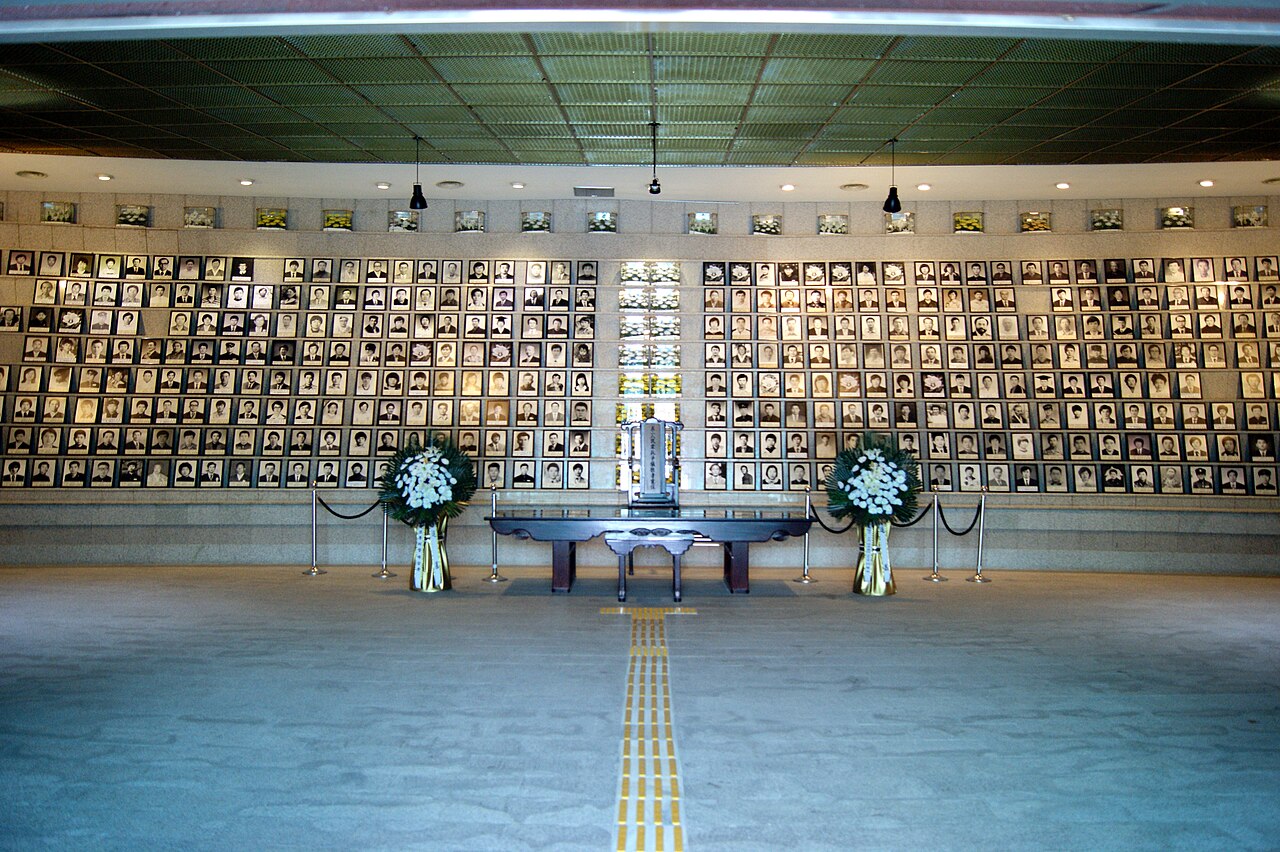
Gwangju, in particular, holds a significant place in Korea’s democratic history. Known as the birthplace of the May 18 Democratic Uprising in 1980, the city stands as a powerful symbol of resistance against oppression and the enduring pursuit of human rights. For this reason, Liberation Day in Gwangju carries profound meaning, serving not only as a remembrance of the past but also as a reaffirmation of the city’s commitment to protecting freedom and democracy.
To honor the legacy of Korea’s independence movement, Gwangju residents are visiting historical sites and memorials dedicated to independence activists. Cultural organizations across the city are hosting exhibitions, lectures, and performances that reinterpret the significance of liberation in a modern context.
One of the highlight events this year is a special concert at the National Asia Culture Center’s Arts Theater on August 14 (Thursday). Co-hosted by the Gwangju City Symphony Orchestra and the Gwangju City Children’s Choir, the performance features patriotic music such as Ah! Korea (A! Daehan-minguk) and commemoratesthose who sacrificed for the nation’s freedom. The event will also include a ceremony to recognize distinguished independence patriots and contributors to the community.
In addition to local events, major cities across the country – including Seoul, Daejeon, and Daegu – are holding large-scale ceremonies, remembrance events for independence fighters, and citizen-participation cultural programs, emphasizing the continued importance of national pride and historical memory.
The 80th anniversary of Liberation Day is not merely a reflection on the past. It is a moment for all Koreans to come together in unity, reaffirming their shared responsibility to safeguard liberty and democracy while building a brighter future. Gwangju, rooted in its historic legacy, is embracing this milestone as an opportunity to promote community solidarity, cultural pride, and collective vision for the years to come.
“Gwangfrica” Returns: Scorching Heat Disrupts Daily Life, Economy
A sweltering heatwave has once again engulfed Gwangju, prompting the return of the city’s well-known nickname, “Gwangfrica” – a portmanteau of Gwangju and Africa that humorously describes the city’s intense summer heat. While the term is often used lightheartedly by locals, this year’s prolonged heat is proving difficult to laugh off, posing real threats to public health and livelihoods.
According to the Korea Meteorological Administration, the heatwave, which began in late June, is expected to continue through August. Daytime temperatures have been hovering around 35°C (95°F), with nighttime tropical conditions offering little relief. As of early July, the heat has already taken a toll on residents. In Gwangju alone, 17 people were treated for heat-related illnesses as of early July, with an additional 63 cases reported in South Jeolla Province.
Soaring Temperatures Drive Up Produce Prices
The relentless heat is also impacting food prices, especially in the fresh produce market. Leafy vegetables such as lettuce and perilla leaves, which are highly sensitive to high temperatures, have seen a drop in supply and a corresponding price increase. On the other hand, items like peeled garlic and Cheongyang chili peppers, which are currently in their harvest period, are experiencing price declines due to increased availability.
“It’s too hot, and even delivery fees have gone up.”
The heatwave is hitting small business owners particularly hard. Some local delivery service providers have introduced a “heat surcharge,” which requires restaurant owners to pay extra fees to compensate delivery workers operating in extreme heat. Although demand for food delivery remains steady, the number of in-store customers has declined, and higher delivery fees, combined with food storage challenges, are placing a heavy burden on business owners.
“We can’t stop working just because it’s hot,” one local restaurant owner said. “Even if we can’t
afford the delivery fees, we can’t afford to lose our customers either.” Many small businesses are now facing a combination of reduced foot traffic, higher operating costs, and increased health risks.
Extreme Heat Is No Longer an Exception
The heatwave in Gwangju is not just an inconvenience – it is a complex disaster with cascading effects on public health, agriculture, and small businesses. Abnormally high temperatures are no longer isolated incidents; they have become a recurring summer reality. This calls for comprehensive action, not only from individuals taking care of their own health but also from local governments in building robust heat response systems.
Efforts must focus on protecting vulnerable populations, improving disaster preparedness, and introducing industry-specific support measures. As climate change accelerates, communities like Gwangju are confronting the urgent need to adapt to these increasingly extreme weather conditions, not as temporary anomalies but as the new normal of summer life.
Kia Tigers’ Miracle Run Heats Up Gwangju
The Kia Tigers have been capturing national attention with what many are calling a miraculous surge in the 2025 KBO League. On July 5, at their home stadium, Gwangju-Kia Champions Field, the Tigers delivered a stunning 13–0 victory over the Lotte Giants, temporarily securing second place in the league standings.
What makes this achievement even more remarkable is the team’s dramatic rise from the bottom of the table. Having started the season in last place, Kia steadily climbed the ranking – 9th, 8th, 7th… – eventually reaching the coveted second-place position. It has been a season of unexpected reversals and growing momentum.
However, the following game saw the Tigers fall to Lotte 4–2, dropping them back to fourth place. Despite the setback, the team’s recent performance and fighting spirit have fueled optimism among fans for the remainder of the first half of the season.
The Tigers’ progress is even more impressive given their recent challenges with injuries to key players. In the face of these obstacles, reserve players from the second-tier squad have stepped up, proving their strength and depth. As the season continues, fans are eagerly watching to see how the rest of this unpredictable journey unfolds.
Gwangju has long been known as a “baseball city,” and recent events have only reaffirmed that reputation. Kia’s home games have seen a string of sold-out crowds, and fans have lined up for hours just to purchase team jerseys. This level of enthusiasm goes beyond sport; it reflects a deep sense of local pride and community spirit.
As the Kia Tigers continue their dramatic run, all eyes are on how this remarkable season will end. With unwavering fan support and a team fueled by determination, hopes are high that the Tigers will finish strong and make this a summer to remember for Gwangju.
How Koreans Spend Their Summer Holidays: A Unique Seasonal Culture
In Korea, August marks the peak of the summer vacation season. While beaches and water parks remain popular destinations, many Koreans also enjoy distinctly local traditions that differ from those in Western countries.
One of the most iconic summer experiences in Korea involves cooling off in a mountain stream. Families and friends dip their feet into the cold, clear waters; chill watermelon in the stream; and enjoy a hot bowl of baeksuk, a traditional chicken soup simmered with garlic and ginseng. This seemingly contradictory custom of eating hot food on a hot day follows the traditional Korean belief of iyeol, chiyeol (이열치열), meaning “fight heat with heat.” It’s a way to restore energy and promote health during the exhausting summer months.
With around 70 percent of Korea’s land covered by mountains, valleys and streams are easily accessible even from urban areas. This makes them a favored destination for escaping the heat and humidity of Korean summers. The natural shade and cold water provide a refreshing retreat from the city.
Other popular ways to enjoy the summer include spending the day at large water parks, relaxing on the beach during the day, and watching fireworks or exploring night markets in the evening. In recent years, “glamping” – a more luxurious form of camping (glamor + camping) – has become increasingly popular. Many people now spend their summer nights in tent resorts by a forest or the riverside, grilling meat and enjoying the cool night air.
Three Recommended Summer Destinations Near Gwangju
Wonhyo Valley, Mudeung Mountain (Dong-gu, Gwangju)
A beloved summer getaway where visitors can enjoy playing in the water and dining nearby.
Dolmeori Beach, Hampyeong
Just one hour from Gwangju, this beach offers seasonal activities, such as shellfish gathering and mudflat exploration.
Jungheung Gold Spa & Water Park
Located 40 minutes from Gwangju, this destination features both indoor and outdoor water parks, along with resort accommodations
– perfect for a relaxing one-night getaway. When it comes to summer foods, Koreans turn to cold and refreshing dishes like naeng-myeon (cold noodles), kong-guksu (soybean cold noodles), and pat-bingsu (shaved ice with sweet red beans and toppings). Seasonal fruits like watermelon, peaches, and Korean melons (cha-moe) are also popular choices for beating the heat.
250,000-Won Coupons Coming Soon: Who’s Eligible?
On July 21, the South Korean government announced a nationwide cash distribution plan aimed at revitalizing domestic consumption. Under the new policy, every South Korean citizen will be eligible to receive up to 250,000 won (approximately US$180) in the form of consumption coupons.
The coupons will be distributed through local governments and issued as local currency, credit/ debit card points, or prepaid cards. The primary goal of the initiative is to stimulate spending during the summer holiday season and boost the domestic economy amid concerns over slowed economic growth and weakened consumer sentiment. The government hopes this move will help curb inflation and restore economic vitality.
Eligible Recipients: Koreans and Some Foreign Residents
While the program is primarily intended for South Korean nationals, certain categories of foreign residents are also eligible to receive the benefits. These include the following three groups:
- Foreigners listed as part of the same household as a Korean national
- Those enrolled in Korea’s National Health Insurance system (as subscribers or dependents)
- Holders of long-term residence permits, such as F-5 (permanent resident visa), F-6 (spouse of Korean national), and F-2-4 (refugee status)
Two-Stage Distribution Plan
The distribution will occur in two phases:
Phase 1: All eligible individuals will receive between 50,000 won and 450,000 won, depending on specific criteria.
Phase 2: An additional 100,000 won will be provided to approximately 90% of the population.
Recipients must choose one of the following formats to receive the coupons: credit/debit card points, local gift certificates jiyeok( sarang sangpumgwon, 지역 사랑 상품권), or prepaid cards.
Applications must be submitted between July 21 at 9:00 a.m. and September 12 at 6:00 p.m. Those who miss the deadline will not be eligible to receive the coupons. The coupons must be used by November 30, 2025. Any unused balance after this date will expire and cannot be reclaimed. To check your individual eligibility and benefit amount, you can visit the Gukmin-biseo (국민비서, Korean Government Notification Service) website and request your personal information.
This government measure is expected to offer timely support to households and small businesses, while encouraging spending in local economies across the country.
Compiled by Jung Yeonseo.