
Gwangju: Stepping Up to Fill the Human Rights Vacuum
By John Feffer
The United States, under Donald Trump, has stepped back from the role of promoting democracy and human rights that it has selectively pursued for several decades. Over the last few months, the Trump administration has sought to end all U.S. programs supporting democracy and human rights activists around the world. For those struggling to end authoritarianism in places like Russia or Myanmar, the termination of U.S. funding for media, training in language and governance, and assistance for refugees is catastrophic.
It’s true that U.S. aid has always been subordinated to U.S. national priorities. There has been very little programming in support of democracy in certain allied autocracies like Saudi Arabia. Much of the assistance from Washington has been imbued with U.S.-centric philosophies of specific democratic structures and market-based reforms. And of course, the United States has its own history of supporting anti-democratic forces around the world – including the government of Chun Doo-hwan in 1980.
But the retreat of the United States from the promotion of human rights, however flawed those efforts might have been, is now emboldening autocratic leaders around the world. They no longer have to worry that Washington will complain about their suppression of fundamental rights. Indeed, Trump has boasted of his close relationship with rights-abusing leaders from Vladimir Putin in Russia to Nayib Bukele in El Salvador.
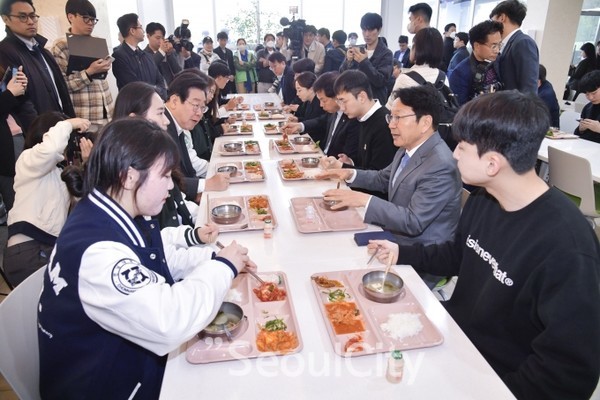
At Gwangju’s recent Gwangju Democracy Forum in May, activists from around the world discussed the challenges posed by the global retreat from democracy and human rights. But there was one especially bright spot in recent world news: the overturning of Yoon Suk Yeol’s martial law decree, his impeachment by the National Assembly, and the Constitutional Court’s verdict upholding that impeachment decision. There was considerable hope among Forum participants that the June elections would represent a recommitment to democracy in Korea, not only the procedural democracy that Yoon violated but the more substantive democracy represented by a vibrant civil society and a free media.
“Activists from around Asia spoke of how the Korea example inspired them to continue their work.”
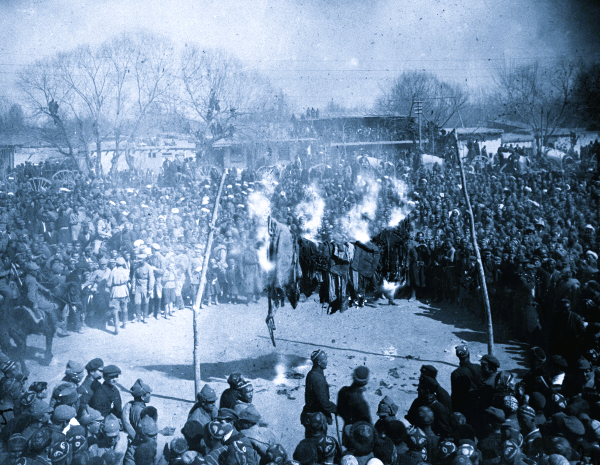
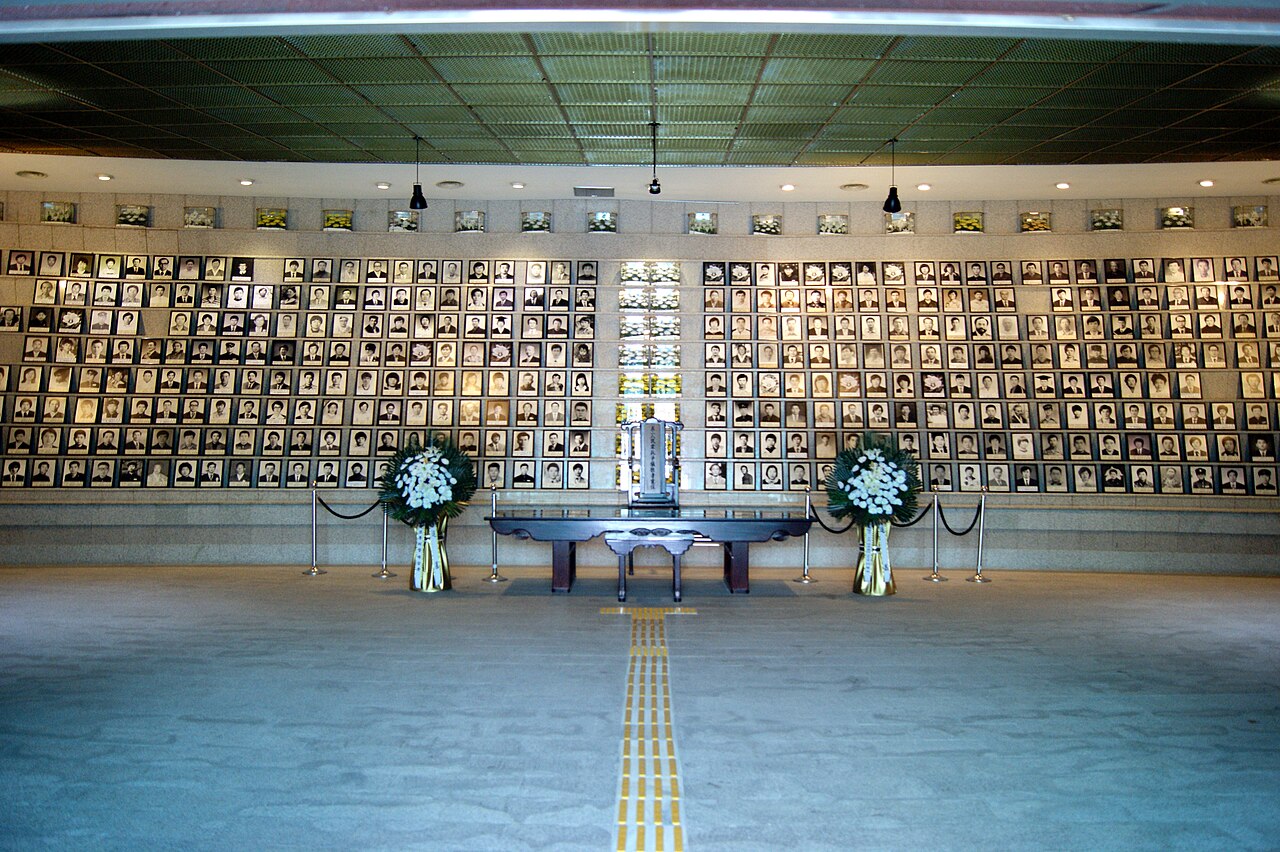
One after another, activists from around Asia spoke of how the Korean example inspired them to continue their work, even as autocratic leaders have expanded their power in many countries, including the United States. These activists were also heartened by the example of Gwangju, of how activists in the city protested an earlier declaration of martial law – the declaration by Chun Doo-hwan on May 17, 1980 – and how the residents of the city supported their acts of courage.
That Gwangju spirit – the Spirit of May – reached across the decades to embolden Korean citizens and lawmakers to resist the martial law declaration of December 2024. Indeed, one of the recommendations of the recent Gwangju forum was to enshrine the Gwangju example in the preamble to the Korean constitution.
The retreat of the United States from its support of democracy and human rights is distressing, but it can also be an opportunity. Other countries can take the opportunity to step up their own work in promoting these universal values around the world. South Korea should be at the top of the list of countries that take advantage of this opportunity. Korea can focus in particular on upholding higher political standards for the Asian region – by pressing for democratic reforms through its comprehensive strategic partnership with ASEAN, by bringing more activists to Korea for study and exposure tours, by providing financial support for movements for democracy and human rights throughout the region.
“That Gwangju spirit – the Spirit of May – reached across the decades to embolden Korean citizens and lawmakers to resist the martial law declaration of December 2024..”
Korea is in many ways better suited for this role than the United States ever was. It has a more recent experience of democratization that speaks more directly to countries currently experiencing political upheaval. It has dealt nonviolently and successfully with the very recent threat of martial law in 2024. And it doesn’t have the kind of imperial baggage that the United States brings to any conversation about democracy and human rights.
Over the last few decades, Gwangju has become more prominent in engaging with activists throughout the region and the world through the May 18 Foundation and the Gwangju International Center. The country’s opportunity to take a larger role in promoting democracy and human rights is also an opportunity for Gwangju. International organizations devoted to these issues should recognize the symbolic importance of Gwangju and establish their headquarters there, turning the city into a global center of democracy and human rights.
Those who struggled in 1980 against martial law were hoping against hope that their actions would lead someday to a democratic Korea. Years later, their hopes have been realized, but now the spirit of Gwangju is needed for an even bigger battle: to fight back against global forces of autocracy. The situation today is dire, but no more dire than the political environment in South Korea in May 1980. The people of Gwangju have much to teach the world about sticking to principles, acting with courage, and imagining a more just and equal world arising out of the ashes of the present.
The Author
John Feffer is the director of Foreign Policy in Focus and of Global Just Transition at the U.S.-based Institute for Policy Studies. He is the author, most recently, of Right Across the World: The Global Networking of the Far Right and the Left Response. He has taught a graduate course on international conflict at Sungkonghoe University in Seoul. Mr. Feffer was recently invited to speak at the Gwangju Democracy Forum sponsored by the May 18 Foundation.