The Role of Movement in Children’s Education
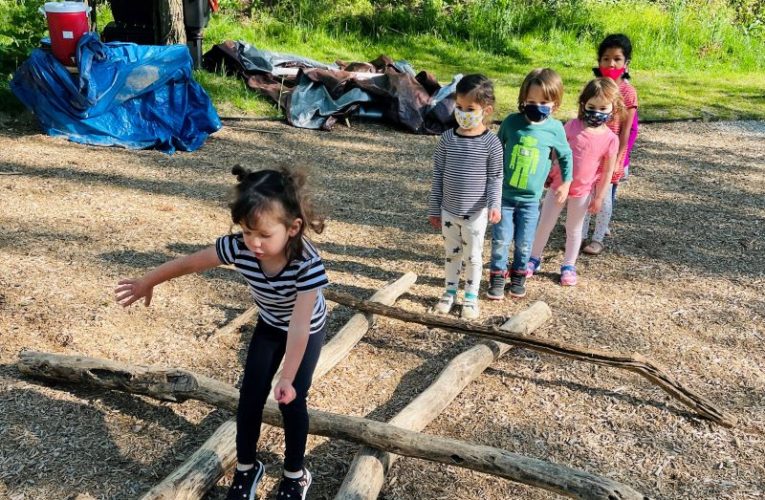
By Kim Yul Movement is an integral part of the Montessori Method. Through the lens of real-life methodology, it’s clear that movement is essential in order to self-actualize because movement … Read More

Published by the Gwangju International Center since 2001

By Kim Yul Movement is an integral part of the Montessori Method. Through the lens of real-life methodology, it’s clear that movement is essential in order to self-actualize because movement … Read More
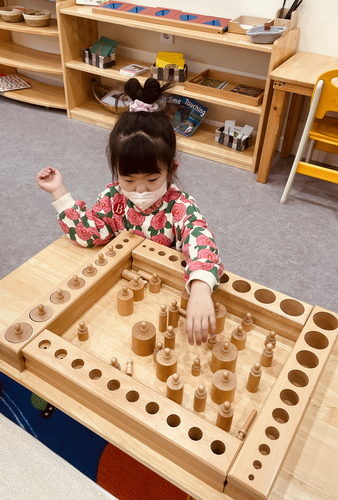
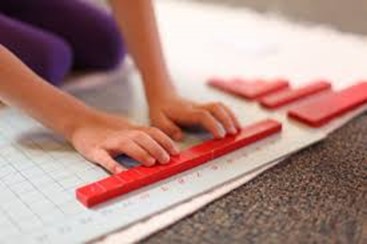
Montessori has developed a very specific and deliberate methodology to take advantage of the formations of development that exist in children from three to six years old. Until this point, children tirelessly absorb the sights, sounds, and messages of their environment and those around them. At the age of three, a child’s heightened sensitivity to order can be used to guide the fascinating task of learning to organize and decipher existing knowledge. In addition, by adding deliberate movement, you can improve the use of your senses while enhancing your awareness of mathematical principles and patterns that exist in the world around you.
The main purpose of Practical Life Education in the Montessori classroom environment is to assist the children to control their body movement, teach them how to focus on their work, and help them to be more independent. Through all of these processes, students can build their own life skills and positive habits for their long journey.
The reason that children work or study right after they get into the classroom is that they have curiosity. Curiosity and wonder, so evident in the enthusiasm of young children and so much a part of their life, are expressions of the basic human emotion of interest.
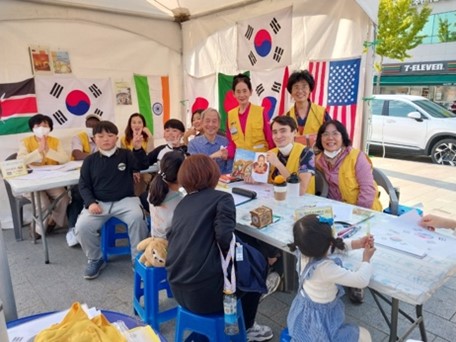
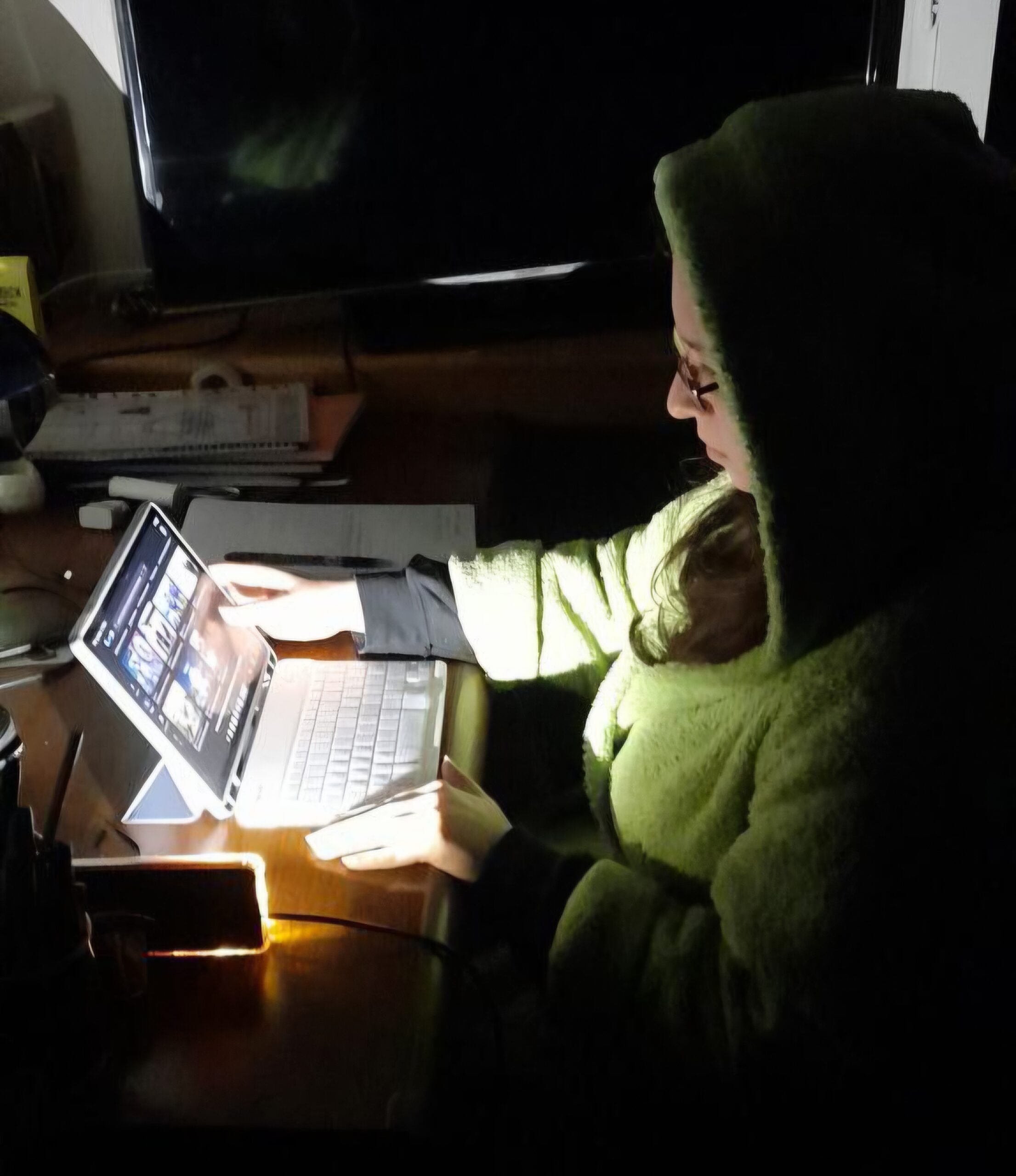
KONA volunteering switched from being local to global. People from different countries (Canada, USA, India, etc.) were able to join in the live online storybook readings and discussions. It was a great experience to see people of all ages and backgrounds come together in one screen. We are still doing story maps presentations and story sharing in this way. We can now do volunteering from our home and office through Zoom.
The most common thing observable in a Montessori classroom is every child working with materials. They are using their hands to move objects, fold clothes and towels, tie shoelaces, and even wash desks. In this way, through work activities related to daily life, they stimulate their various senses, form life habits, and have opportunities to learn through trial and error.
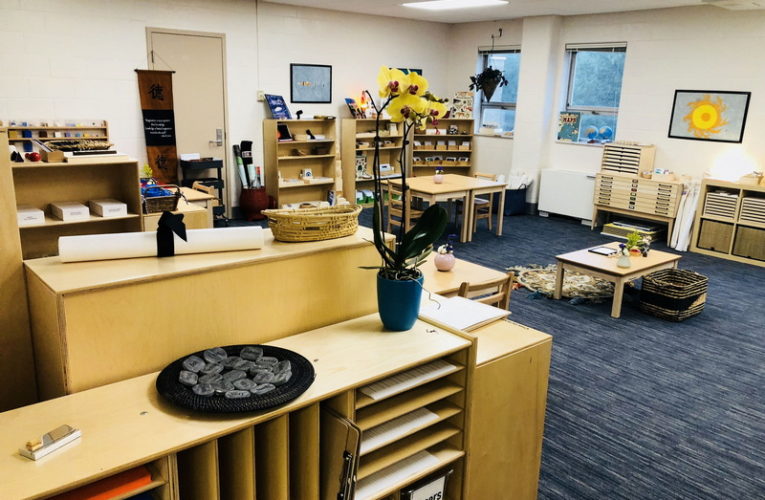
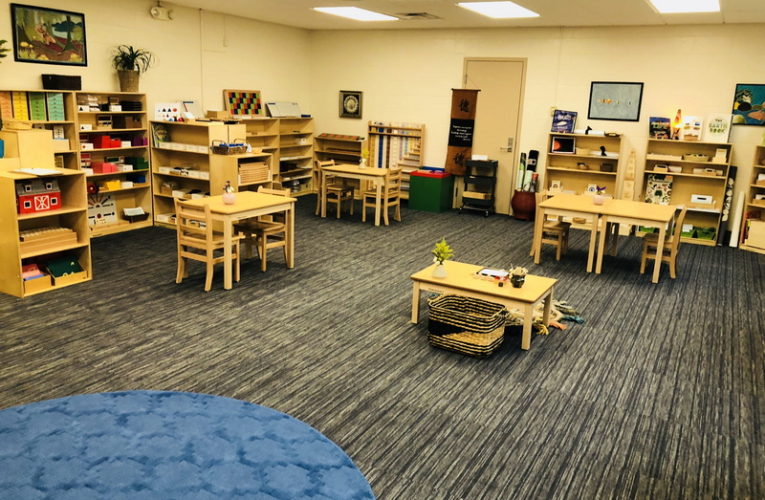
In the Montessori philosophy of education, the concept of a “prepared environment” is emphasized to encourage these children’s physical and mental independence. “Prepared environment” refers to the overall factors provided so that children can engage in activities to satisfy their desire for exploration and learning on their own.
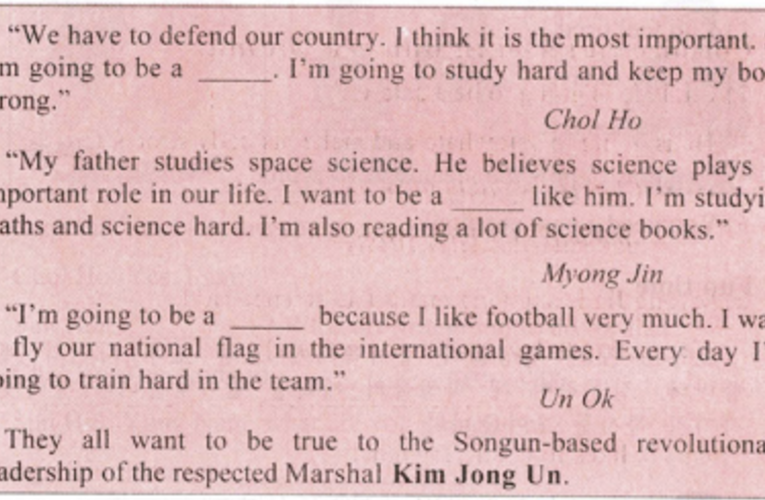
Before the revision in North Korea, English or Russian were the only languages taught in cities in 2003, but in 2013, English education was expanded nationwide. In the revised curriculum, foreign language subjects were unified into English, and the Russian language course was abruptly ended. As a result, the number of hours spent by students in English classes has been greatly expanded (Cho et al., 2015).