



Area Sports Round-Up – July 2026
Baseball – Soccer – Volleyball
By Zhang Jiuzhou (Julius) ||
Kia Makes Midseason Change in Asian Player Slot
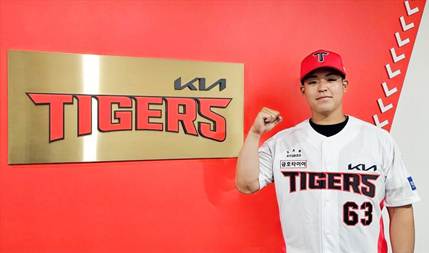
Kia Tigers officially announce the signing of Japanese pitcher Keisho Shirakawa. (Kia Tigers)
The Kia Tigers became the first KBO club to make a significant adjustment to their Asian player quota strategy, releasing Australian infielder Jarryd Dale on May 26 and replacing him with Japanese right-hander Keisho Shirakawa.
When the Tigers signed Dale before the season, they took a unique approach. While the other nine KBO teams used their Asian player slots to strengthen their pitching staffs, Kia chose to address the departure of former shortstop Park Chan-ho. The club believed Dale could provide stability at one of the most important defensive positions on the field.
The experiment, however, failed to produce the desired results. Dale batted .256 with one home run and six RBIs in 34 games, while struggling defensively. His nine errors were among the highest totals in the league, and concerns about his reliability at shortstop continued to grow. After being demoted to the Futures League on May 11, he was ultimately released before the season reached its midpoint.
To fill the vacancy, Kia turned to a familiar face. On May 28, the club announced the signing of Shirakawa to a contract worth up to $100,000, including a $20,000 signing bonus, a $40,000 salary, and $40,000 in incentives.
Shirakawa is no stranger to Korean baseball. After beginning his professional career in Japan’s independent leagues, he joined the SSG Landers as an injury replacement player during the 2024 season before later spending time with the Doosan Bears. Although he posted a modest 4–5 record with a 5.65 ERA across 12 appearances that year, he gained valuable experience in the KBO environment.
Kia officials believe that familiarity could prove important. Unlike many foreign newcomers, Shirakawa already understands the league and its hitters. The Tigers also value his versatility, viewing him as a pitcher capable of contributing both as a starter and as a bullpen option.
As Kia continues its push up the standings, the club hopes the roster change will provide additional depth and flexibility to a pitching staff that has become one of its biggest strengths in recent matches.
Gwangju FC Looks to Summer Reinforcements
After 15 matches, Gwangju FC finds itself in unfamiliar territory at the bottom of the K League 1 table. The club has collected just seven points from one win, four draws, and ten losses, leaving management with little choice but to seek significant reinforcements during the summer transfer window.
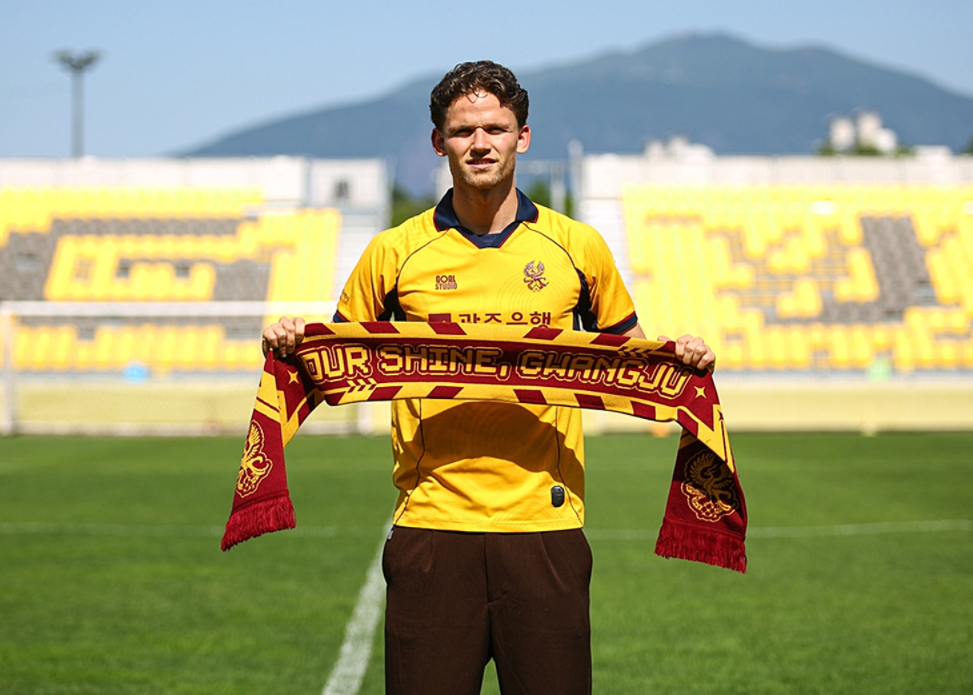
The first move came on May 30, when Gwangju announced the signing of Dutch center back Teun van Grunsven. Standing 194 centimeters tall, the 25-year-old defender arrives from Dutch second-division side FC Den Bosch and is expected to strengthen a back line that has struggled throughout the campaign. The club hopes van Grunsven can replicate the impact once made by former Dutch defender Timo Letschert, who became one of the league’s most effective center backs during the 2023 season.

Gwangju FC officially announces the signing of Dutch center back Teun van Grunsven. (Gwangju FC)
Defensive issues, however, are only part of the problem. Gwangju has also lacked a consistent goal-scoring threat. While the team has often created promising attacking opportunities, poor finishing has repeatedly prevented it from converting chances into results. To address this issue, the club has secured the signing of Australian striker John Iredale.
Iredale brings considerable international experience. After making his professional debut with Sydney FC, he moved to Europe and spent several years playing in Germany with Wolfsburg II, Paderborn, and Wehen Wiesbaden. During the 2022–23 season, he helped Wiesbaden earn promotion to the 2. Bundesliga. He later represented the Australian national team and scored once in two international appearances.
Most recently, Iredale played for Seoul E-Land, where he adapted quickly to Korean football. The 188-centimeter striker scored 10 goals and added two assists despite missing time through injury. His performances convinced Gwangju manager Lee Jeong-kyu that he possesses the quality to succeed in K League 1.
The connection between player and coach also played a role. Lee worked with Iredale during his time at Seoul E-Land and personally encouraged him to join Gwangju’s rebuilding effort.
The additional registration period opens on July 9, allowing both van Grunsven and Iredale to become eligible for selection beginning with Gwangju’s July 11 match against Pohang Steelers.
With the K League season currently paused due to the 2026 FIFA World Cup qualifying schedule, Gwangju now has an opportunity to regroup. The club hopes its summer additions can provide the spark needed to launch a second-half revival.
Soop Supers Begin a New Era
A new chapter has officially begun for the women’s volleyball club formerly known as the AI Peppers. After months of uncertainty surrounding the team’s future, global media platform Soop has completed its acquisition of the club and announced on June 4 that the team will compete under the new name Soop Supers (Stylized as “SOOP SuperS”).
The new identity reflects the organization’s vision of bringing together players with different strengths and personalities, much like the diverse community found on the Soop platform itself. Club officials stated that the name symbolizes cooperation, growth, and the shared effort of players and supporters in building the team’s future.
Soop also made its first major sporting decision by appointing Kim Se-jin as the club’s inaugural head coach. One of the most recognizable figures in Korean volleyball, Kim enjoyed a distinguished playing career as an opposite hitter before becoming a successful coach. He previously guided Samsung Bluefangs through one of the most dominant periods in Korean volleyball history and remains one of the sport’s most respected figures. Soop executives expressed confidence that Kim’s experience would be invaluable during the club’s transition period, particularly as it works to establish a new organizational structure and competitive identity.
Despite the optimism surrounding the rebranding, several important questions remain unresolved. The club has yet to finalize its home city, determine its training schedule, and complete various administrative procedures associated with the ownership transition. The future of the team’s connection to Gwangju remains a particularly important issue. Local government officials have expressed their desire to keep the franchise in the city and are reportedly communicating with Soop regarding long-term support and cooperation.
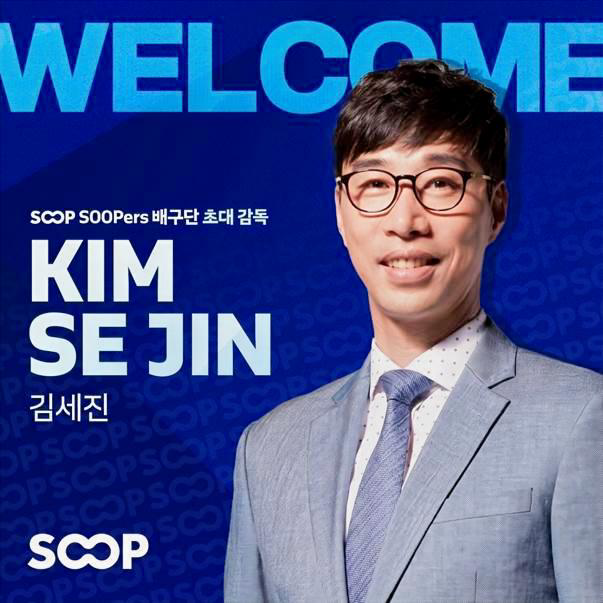
Following the club’s acquisition, the AI Peppers are rebranded as the Soop Supers and introduce their first head coach under the new ownership. (Soop Supers)
For now, players continue individual training programs while awaiting further instructions from the organization. Once the acquisition process receives final approval from the Korean Volleyball Federation (KOVO), the formal restructuring of the club is expected to accelerate.
The team may have a new owner, a new name, and a new coach, but its biggest challenge remains unchanged: transforming promise into sustained success on the court.
The Author
Zhang Jiuzhou (Julius) is a dedicated follower of Gwangju’s sports scene. He regularly attends games of the Kia Tigers, Gwangju FC, and AI Peppers, and closely observes the unique identity and competitive spirit each team brings to the city. He hopes to see all three clubs continue to grow sustainably and attract even more supporters.