Beeswax, Plum Blossoms, and Tea: The Works and Ways of Artist Kim Chang-deok

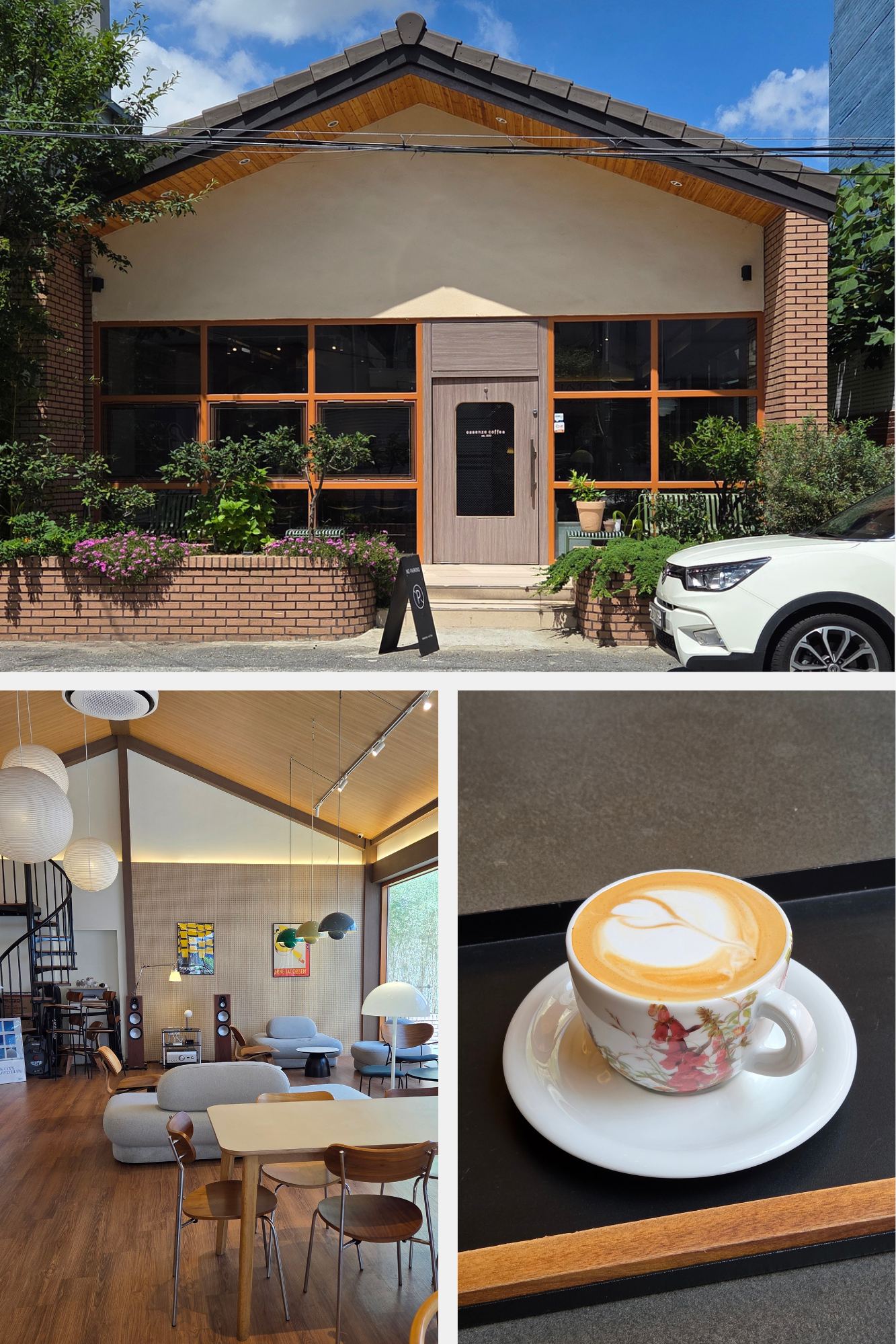
Artist Kim Chang-deok (김창덕), who goes by his artistic name Da-eum (다음), spends most of his time in his studio preparing for an upcoming exhibition about him, plum blossoms, beeswax, and tea.

The Bulldozed Future: Sequel

This spring the Gwangju News carried a feature on The Bulldozed Future, a newborn webzine on urban exploration, as an interview with its Seoul-based urban exploring photographer and editor, Ryan Berkebile (March 2021 issue). Since then Ryan has done more exploring and has come out with the second issue of his webzine. His adventures include numerous explorations in the Gwangju area that make it into the zine’s latest issue.

Defining “Design Revolution” At the 2021 Gwangju Design Biennale

One of Gwangju’s prestigious art events, the Gwangju Design Biennale (GDB) is back this year with the theme of d-Revolution. “d-Revolution” is a compound composed of “D’” for Design” and “Revolution,” which refers to the paradigm of a new era driven by design, not a revolution propelled by industrial inventions as in the past.

From the Editor: August 2021

Another hot month starts off with another hot issue of the Gwangju News!

Gwangju News CROSSWORD PUZZLE Answer for June 2021

Do you get them right?

The Afternoon Show with JD: Diverse, Inclusive, Representative, Multicultural, and Multilingual with the Best in Pop and Pop Culture from Around the World

The Afternoon Show with JD is a multilingual and multicultural show that airs daily at 12:10–2:00 p.m. on weekdays and at 12:00–2:00 p.m. on weekends on GFN, aiming to edutain listeners with pertinent information vital to their lives here in South Korea.

Travels of an American-Korean 2014-2020

Whether you are new to South Korea or have been here for a few years, Pennington’s book will definitely give you a look into the lesser-seen Korea.

Mokpo’s Japanese-Era Tunnels

In the back of each were deep drill holes that likely would have been stuffed with dynamite and blasted away had WWII not ended. Apparently, fearing an American invasion, the Japanese forced local Koreans to make tunnels along coastal areas like Mokpo that could provide shelter, munitions storage, and surprise hideouts in case of enemy attack.