



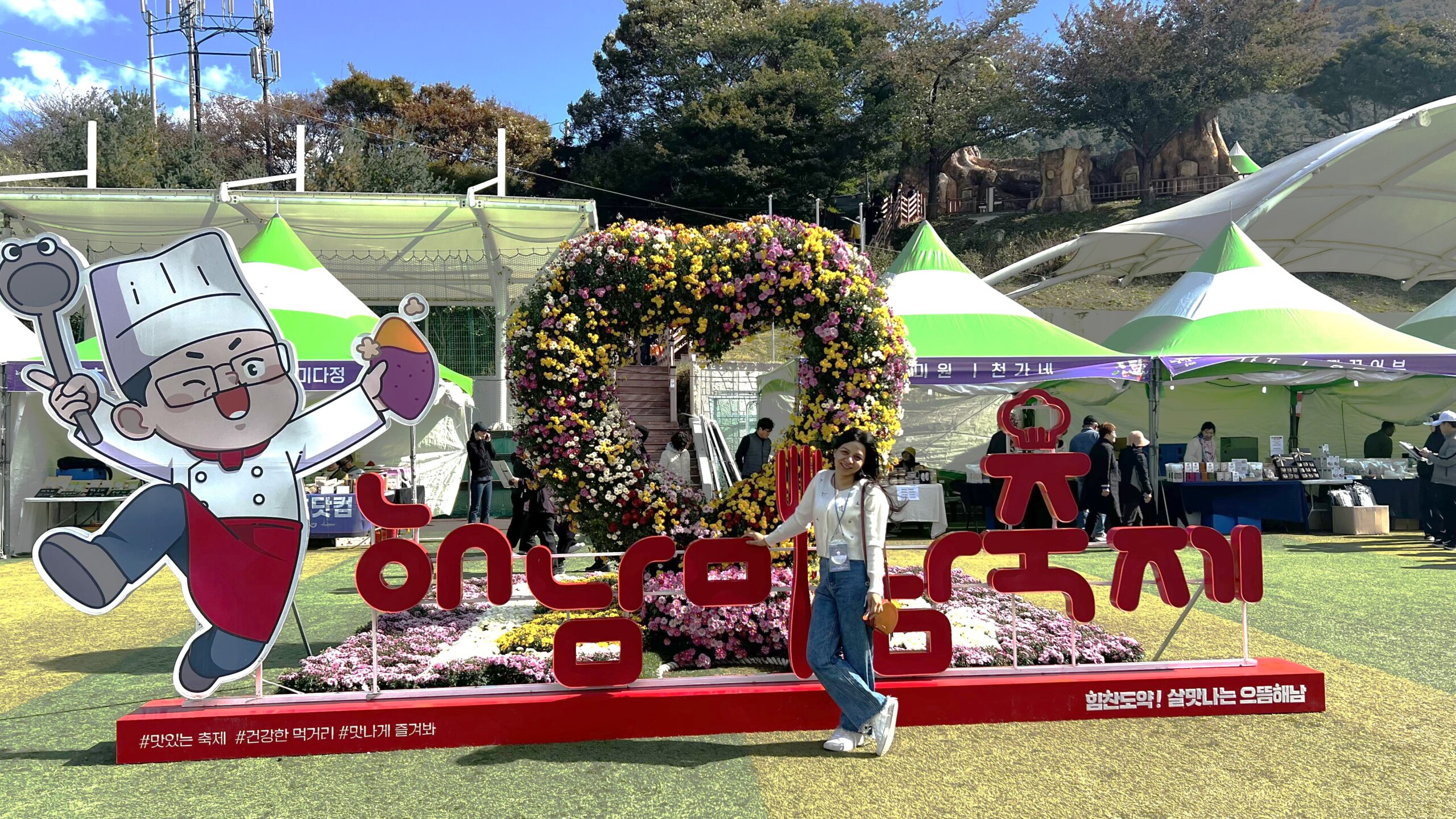
Experts of the In-Between: What Urban Refugees Taught Me About Resilience, Belonging, and the Social Architecture of the City
By Reeti Roy ||
I have spent much of my working life in places where categories become unreliable.
I have worked with refugee communities in London, studied informal economies in India and Bangladesh, worked inside political institutions, conducted field research, written about businesses, built a career organization, and moved between countries as a writer and teacher. More recently, I have found myself moving between classrooms too: sometimes as the person standing at the front of the room, sometimes as the person sitting at the back trying to understand what is being said. Perhaps this is why I have become interested in people who live between things. We tend to think of expertise as something that belongs firmly inside a category. An economist knows economics. A professor teaches. A student learns. A refugee is displaced. A migrant moves. But some forms of knowledge are produced precisely by people who do not sit comfortably inside these distinctions. I first encountered this kind of knowledge through refugee communities.
The First City That Split
It began in London. I was working with the British Refugee Council and spending time in day centers across the city. I encountered families whose lives were organized around a strange combination of movement and waiting. Children played in corridors with crayons and scraps of paper, creating games inside institutional spaces never designed for permanence. Mothers moved between immigration reporting appointments, legal aid offices, schools, childcare arrangements, and public transport systems, sometimes crossing several boroughs in a single day. Slowly, London stopped looking like one city. There was the London of financial institutions, universities, restaurants, and global capital. And there was another London made up of waiting rooms, temporary accommodation, food insecurity, overstretched charities, and asylum decisions that could take months or years. The distinction was not simply economic. It was a difference in perception. The families I met were extraordinarily precise readers of the city. They knew which organizations offered interpretation services. Which clinics were accessible. Which charities distributed food on particular days. Which bus routes could connect two appointments within an impossibly narrow window. They were not marginal to the city. They were among its most precise readers. They were “experts of the in-between.” That was when anthropology began for me. Not as a discipline. As a fracture in perception.
What Anthropology Taught Me to Notice
Anthropology is often described simply as the study of human cultures and societies. But what attracted me to it was its insistence that ordinary behavior contains knowledge. Marcel Mauss, a French anthropologist, wrote about exchange and argued that a gift is rarely just a material transaction. Giving and receiving create relationships, obligations, and social bonds. I began seeing this everywhere in refugee communities. A meal cooked in one household might circulate through several others. A translated document could become the difference between finding housing and remaining homeless. A few hours of informal childcare could allow somebody to attend an immigration appointment. These acts were easy to overlook because they did not look like infrastructure.
But they were infrastructure. They were the systems people built for themselves when formal systems were insufficient. What looked like generosity was often also survival. What looked informal was often highly organized. And what looked peripheral was frequently helping the city function.
The Intelligence of Survival
I often think of Brixton. Above the high street, kitchens produced large pots of food that fed informal networks. Hair braiding businesses operated for extraordinarily long hours. Informal childcare allowed people working precarious jobs to keep working. It is tempting to describe these activities as marginal economies. I became more interested in what the word “marginal” hides. These were not simply people operating outside the city. They were people sustaining parts of the city that formal systems did not adequately reach. Years earlier, while working with BRAC in Bangladesh, I had encountered another version of this. Microfinance is often discussed through the language of money, capital, and development. But in the communities I encountered, money also moved through trust, kinship, and obligation. Savings groups were financial mechanisms, but they were social systems too. The money mattered. So did the relationships through which it moved. The pattern stayed with me: Survival is often relational before it is financial.
When Waiting Becomes the System
I remember a man in a London day center who had been waiting for hours for a food voucher. He was not angry. He was exhausted in a way that had gone beyond anger. This brought me to another anthropological concept: structural violence. The term, associated particularly with the work of medical anthropologist Paul Farmer, describes forms of suffering produced not by a single violent act but by social and institutional arrangements. Poverty, discrimination, and bureaucracy can become violent through the conditions they impose on people’s lives. Sometimes violence looks like force. Sometimes it looks like delay. Waiting for documentation. Waiting for housing. Waiting for an asylum decision. Waiting for permission to work. Waiting for a letter that determines what happens next. Eventually, waiting stops looking like an interruption in the system. Waiting becomes the system.
Living Between Worlds
Anthropologist Victor Turner used the term liminality to describe being “betwixt and between” – occupying a threshold where someone is no longer entirely in one social position but has not yet arrived at another. Refugee life can be profoundly liminal. But so can migration. So can fieldwork. So can learning a new language. So can teaching in a country that is not your own. This last part has become increasingly personal for me. In 2026, I returned to Korea and enrolled at Yonsei University to study Korean. It was an unusual experience to become a beginner again after years of professional life. I could have spent years accumulating expertise in writing, research, teaching, and professional work, and still find myself sitting in a classroom struggling to understand a simple instruction. There was something valuable in that discomfort. Expertise can make us forget what it feels like to not understand. At Yonsei, I was the learner. A few months later, stepping outside the hyper-accelerated infrastructure of Seoul to teach and engage with students in regional academic hubs like Pusan and Gwangju, the perspective shifted once more. Working within the provinces brought a different texture of the in-between – spaces where global academic currents meet the distinct historical weight and communal resilience of Korea’s regional cities. The reversal was instructive. The distance between those positions was smaller than it appeared. Both required translation. The student translates an unfamiliar language into something comprehensible. The teacher translates experience and knowledge into something another person can use. Neither is simply the transfer of information. Both are acts of movement.
The Knowledge That Travels
This became even clearer when I taught at Chiang Mai University in Thailand. I arrived carrying knowledge shaped by India, Britain, Korea, and years of work across different institutions. But teaching in another country quickly reminds you that knowledge does not travel intact. It changes when it crosses a border. A question that makes immediate sense in London may require another vocabulary in Seoul. A discussion about migration looks different in Chiang Mai from the way it looks in Delhi. Ideas about careers, institutions, and professional identity change when they enter classrooms shaped by different histories and expectations. The teacher, in these moments, becomes an intermediary. You are not simply transmitting what you know. You are discovering what survives translation. And perhaps this is where my interest in the “experts of the in-between” has become personal.
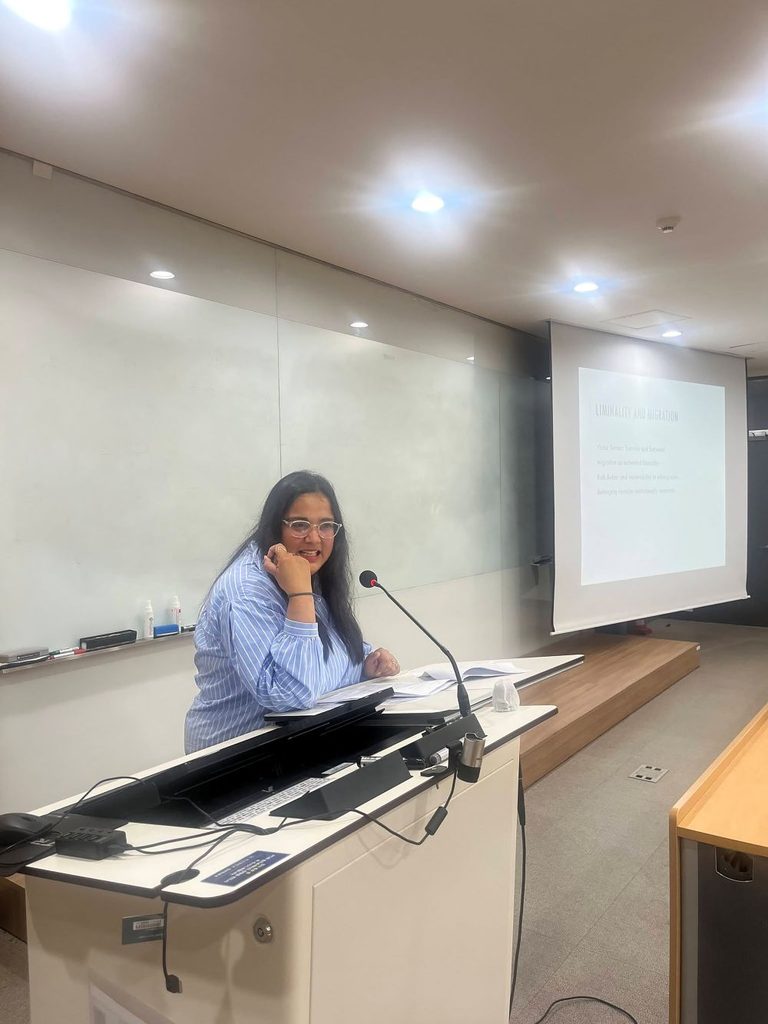
The author delivering an invited lecture at Pusan National University.
The People Between Categories
My own career does not fit neatly into one professional category. I write. I teach. I run Aglet Ink. I have worked in research, policy, development, and cultural institutions. I have conducted fieldwork in India. I have worked with refugee communities in Britain. I have been a student in Korea and a teacher in regional university hubs from Pusan to Gwangju. I have taught in Thailand. Viewed through conventional career architecture, this can look like a collection of unrelated occupations. But from the perspective of the in-between, the connections become clearer. My work has consistently involved translation. Between people and institutions. Between research and practice. Between experience and language. Between the classroom and the world outside it. Between what institutions say people are and what people actually do. This was also what shaped my work at Aglet Ink. Institutions have a tendency to categorize people before understanding them. A CV becomes a list of positions. A job title becomes an identity. A professional biography becomes a compressed version of a complicated life. Anthropology taught me to reverse the order. Observe before prescribing. Understand before intervening. Ask what a person is actually doing before deciding which category they belong to.
“But the space between things is not empty.”
Knowledge Without Permission
Some of the most interesting forms of knowledge I’ve encountered in my fieldwork existed without institutional recognition. In Chandrapur, I worked with Banjara communities whose knowledge systems were shaped by mobility, oral memory, ecological intelligence, and relationships. I hesitate to call these simply “traditions.” They were epistemologies – ways of knowing. The distinction matters. Knowledge does not become knowledge only when a university names it. An informal entrepreneur can understand a market without an economics degree. A refugee family can understand a city’s transport system without being urban planners. A migrant worker can understand a bureaucracy without having studied public administration. A student navigating several languages can understand translation in ways a fluent speaker may never have to. People acquire knowledge because their lives require them to.
The City as a Moral Landscape
This is why I have come to think of cities not simply as physical structures but as moral landscapes. A city decides, often quietly, who is visible. Who can move freely. Who must continually explain themselves. Who can access housing, healthcare, education, and work without difficulty. And whose knowledge is treated as expertise. Displacement reveals these structures particularly clearly. In Delhi, I encountered communities whose lives continued to be shaped by the aftermath of the violence of 1984. Violence does not necessarily end when the immediate event ends. It can continue through housing patterns, legal identity, memory, and the organization of neighborhoods. In Seoul, displacement can take another form. Migrant workers, students, and asylum seekers navigate systems of documentation, visa classifications, labor segmentation, and bureaucratic recognition. In regional cities like Gwangju, shaped by a deep historical DNA of democratic resistance, civic solidarity, and communal survival, the city tells yet another story. Here, the social architecture of the urban landscape carries the memory of mutual aid stepping in precisely where formal, institutional systems historically faltered. You can be physically present in a place and still be institutionally elsewhere. This is one of the great insights that anthropology offers: Institutions do not simply organize life. They translate it. They translate people into forms, categories, eligibility requirements, and procedures. And people, in turn, learn how to navigate those translations.
The Vulnerable Observer
There is another reason I continue returning to the idea of “the in-between.” Anthropologist Ruth Behar wrote about the “vulnerable observer”: the idea that fieldwork does not leave the person doing the observing untouched. This is something I have understood more with time. There is a moment in fieldwork when observation stops being external. You begin carrying what you have seen. Not simply as information. As weight. Perhaps this is also why teaching has become important to me. The classroom creates another kind of encounter between worlds. You bring one body of knowledge into another environment and discover that neither remains exactly the same. The teacher changes. The students change. The knowledge changes. The exchange changes everyone involved.
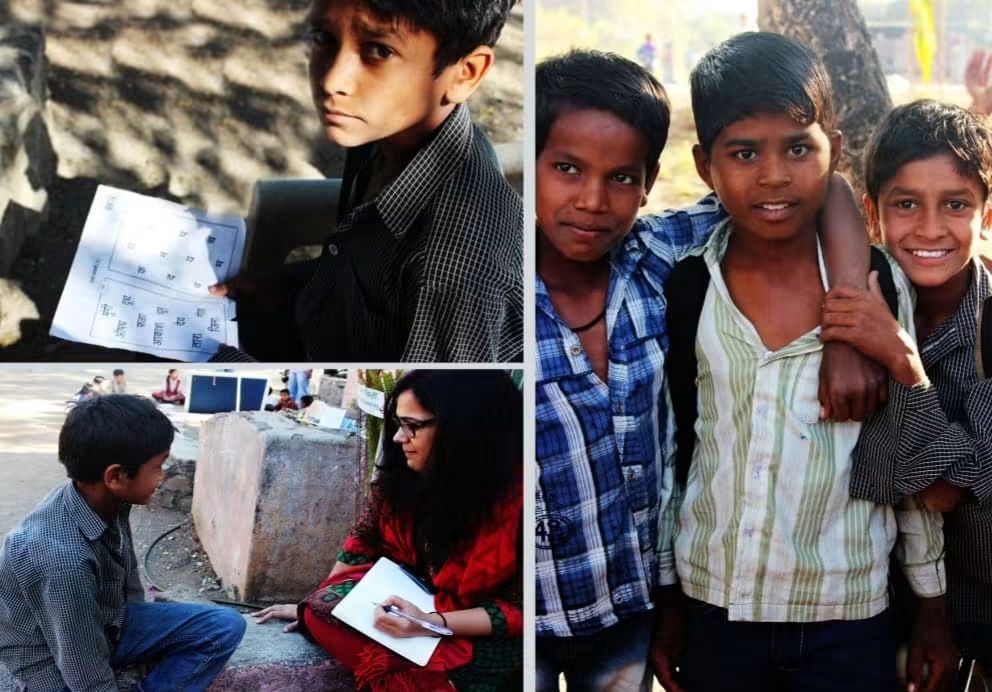
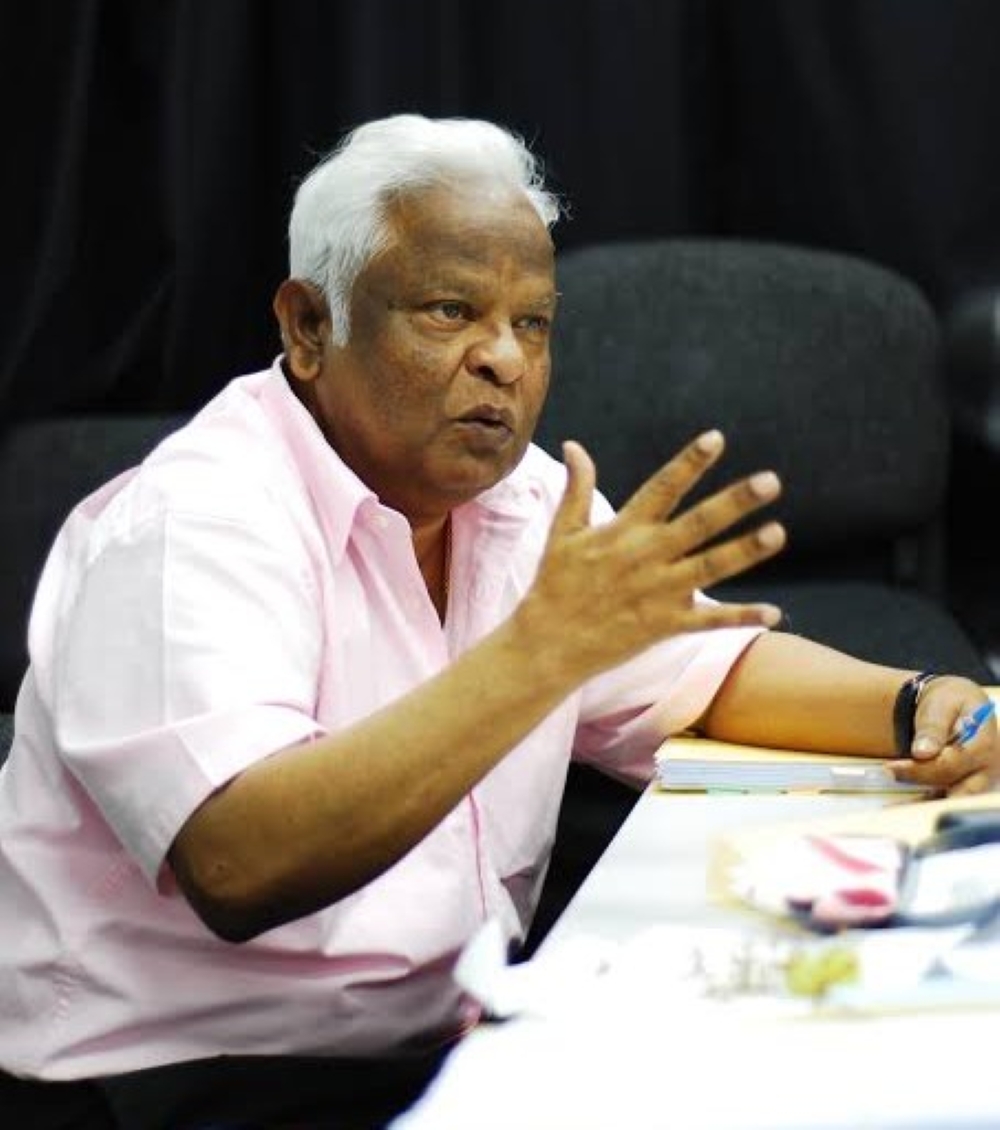
The author testing learning levels of children in village schools early on in her career.
Experts of the In-Between
I began my work with refugee communities thinking I was trying to understand displacement. Over time, I realized I was also trying to understand something broader: the intelligence required to live inside systems that were never designed around you. The refugee navigating London. The migrant navigating Seoul. The informal entrepreneur navigating an economy. The student navigating a new language. The teacher moving between countries and provincial classrooms. The person whose career refuses to fit one professional category. These people have something in common. They know how to translate. They know how to adapt. They know how to read systems from the outside. And because they stand between categories, they can sometimes see things that those firmly inside them cannot. Perhaps we have been too quick to treat the in-between as a deficiency.
Not belonging completely to one place. Not having one discipline. Not having one professional identity. Not always being the expert. Not always being the beginner. But the space between things is not empty. It is where relationships are built. It is where knowledge travels. It is where translation happens. And it is often where new forms of knowledge begin. The people I encountered in refugee communities taught me that survival is rarely an individual achievement. It is relational. It is built through networks of exchange, memory, and trust. My years of fieldwork taught me that knowledge does not always announce itself as expertise. And my more recent experiences as both student and teacher have reminded me that learning is also a form of movement. Perhaps that is what it means to be an expert of the in-between. Not to know everything. But to know how to cross. To cross languages. Disciplines. Institutions. Countries. And ways of seeing. And perhaps, once you have learned to cross, you begin to notice something that is easy to miss when you remain safely inside one world: The spaces between things are not gaps.
They are where the architecture is.
(A version of this essay was used to deliver lectures at Pusan National University’s Department of Global Studies, Yonsei University’s Department of Cultural Anthropology, and Chiang Mai University’s Department of Social Science and Development.)
The Author
Reeti Roy is a writer, researcher, educator, and founder of Aglet Ink, a career organization she has led since 2014. She holds degrees in English literature from Jadavpur University and social anthropology from the London School of Economics. Her work moves across migration, cities, culture, careers, and the social lives of institutions. She has worked with refugee communities in Britain and development organizations in South Asia, and has taught at universities in India, Korea, and Thailand. A recipient of international writing and residency opportunities, she writes essays that examine how people navigate systems, borders, identities, and the spaces between them.
(Photographs courtesy of the author)
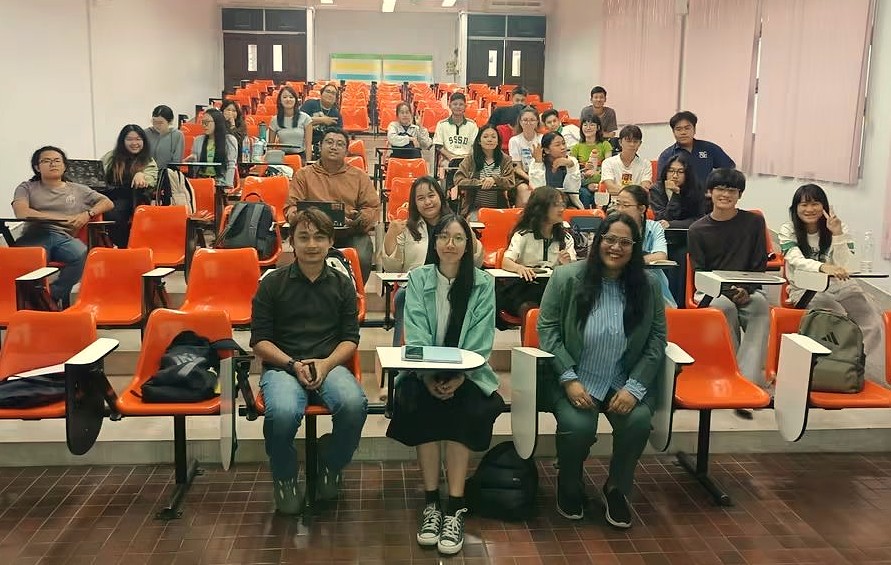
Cover Photo: The author and lecture attendees at Chiang Mai University, Thailand.