
Special City News – November 2026
Civil Society Fair Connects Citizens and Community Action
The 3rd Gwangju Civil Society Fair will take place on Saturday, November 7, from 10 a.m. to 6 p.m., at and around Jeonil Building 245. Organized by the Gwangju Civil Society Support Center, the event will introduce local civic organizations through hands-on activities, exhibitions, information booths, and public-interest campaigns.
The fair follows the center’s Citizen Public Interest Open Day, which was held on October 9 and 10 in the same building. Fifteen civic organizations participated in that event, introducing issues pertaining to preserving human rights, advancing gender equality, endorsing climate change, promoting safety, discussing neighborhood life, and advocating for energy through accessible activities. Exhibitions and a public-interest lounge also provided space for visitors to meet and exchange ideas.
The November fair will continue these connections, giving residents an opportunity to discover how community organizations address issues in their everyday lives. Visitors can learn about their work and explore ways to participate. Detailed program and booth information should be checked through the center’s official announcements before visiting.
Gwangju Kimchi Festival Celebrates Flavor and Tradition
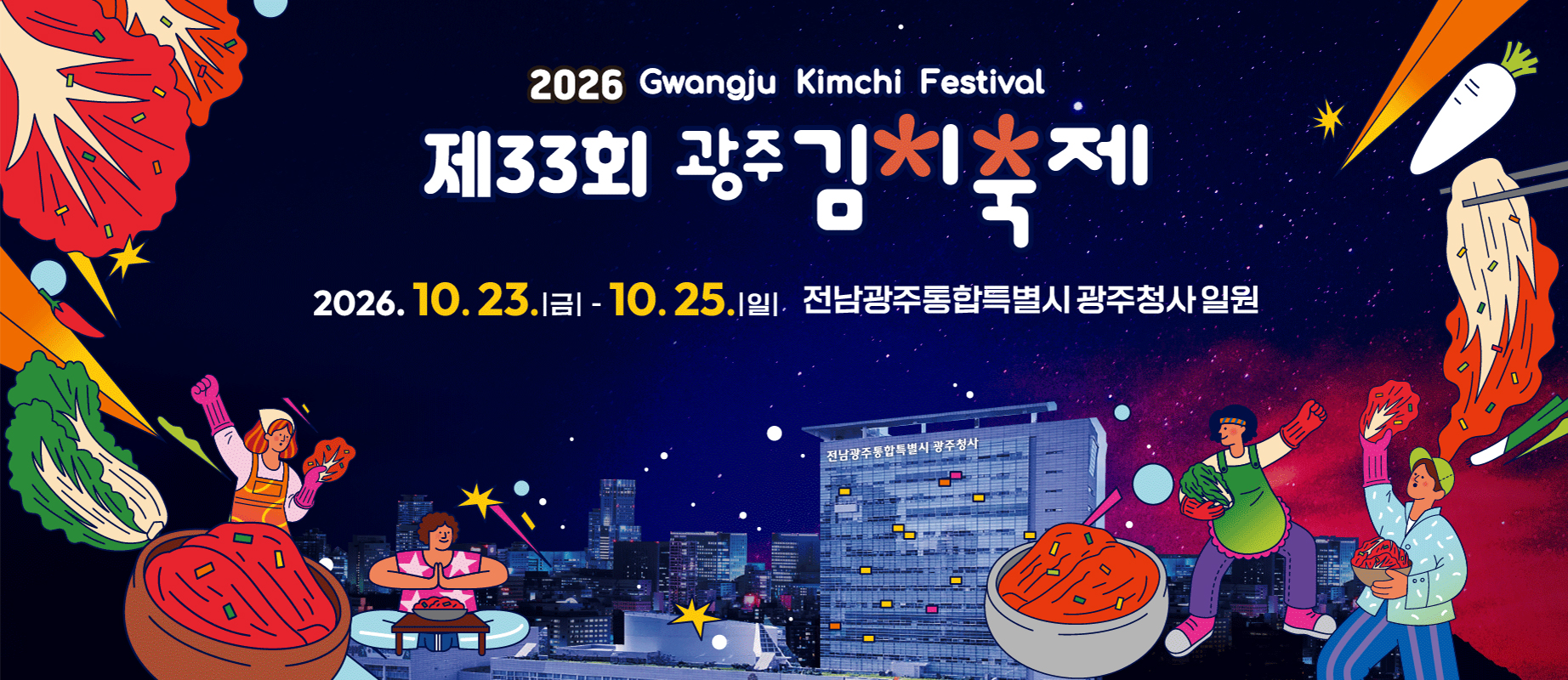
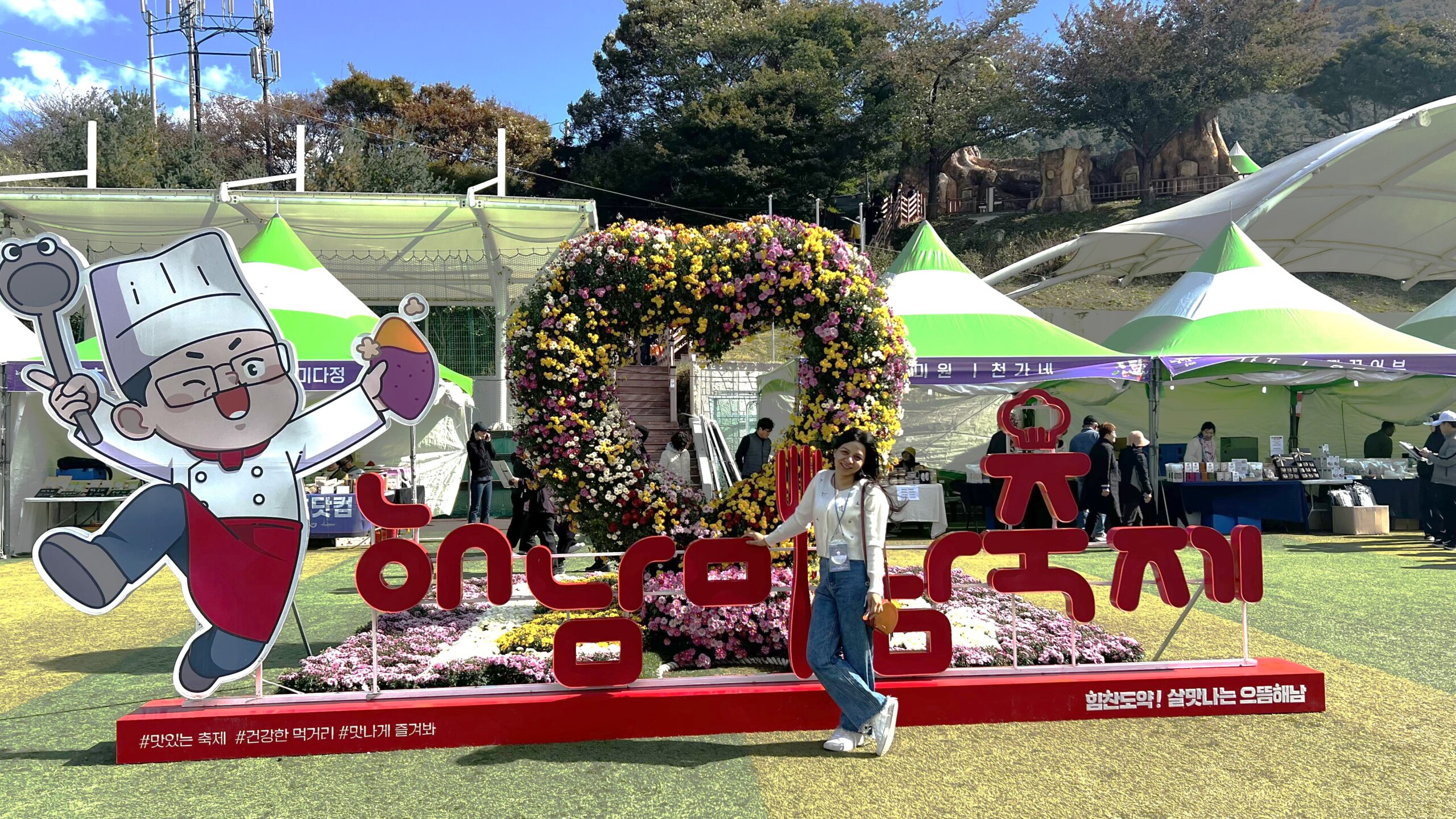
The 33rd Gwangju Kimchi Festival brought together residents, international visitors, and local producers for three days of food and cultural activities from October 23 to 25. Held at the Gwangju government complex of Jeonnam-Gwangju Special Metropolitan City, the festival featured kimchi-making workshops, exhibitions, competitions, and a market showcasing Korea’s signature fermented food.
Among the highlights was Table for a Thousand, a dining area where visitors enjoyed food alongside cultural performances. Award-winning kimchi makers also led masterclasses, sharing techniques and personal insights into their craft. These sessions offered a closer look at the knowledge and traditions behind preparing kimchi.
A kimchi playground and salt-related activities added to the hands-on program, while events at Gwangju Kimchi Town extended the festival beyond its main venue. Combining food, storytelling, and practical experiences, the festival introduced visitors to kimchi as both an everyday staple and a living culinary tradition.
First Changes Put Special City Administration into Operation
Jeonnam-Gwangju Special Metropolitan City has carried out its first organizational restructuring and regular personnel changes since its launch. The new structure comprises four offices, seven headquarters, and 28 bureaus, with responsibilities shared among the Gwangju and Muan government complexes, along with eastern area entities. Newly established units oversee semiconductor industry support, balanced development, regional healthcare innovation, and citizen participation.
Personnel changes proceeded in stages. Following approval of promotions for 34 senior officials in September, the city announced promotions of 363 officials to Grade 5 and below, as well as transfers for 181 officials at Grade 4 and above on October 2.
Appointments conferred on October 7 impacted more than 2,800 employees. However, many of the changes reflected mere department name changes, as staff remained at their existing workplaces. The total therefore should not be interpreted as the number of employees moving between complexes.
Making the new system work will require clear responsibilities and balanced staffing across the three complexes. The city council is expected to examine concerns about decision-making delays and uneven personnel allocation. Stronger coordination between complexes and clear guidance on public services remain priorities.
Jeonnam and Gwangju Teachers Share Approaches to Student-Centered Learning
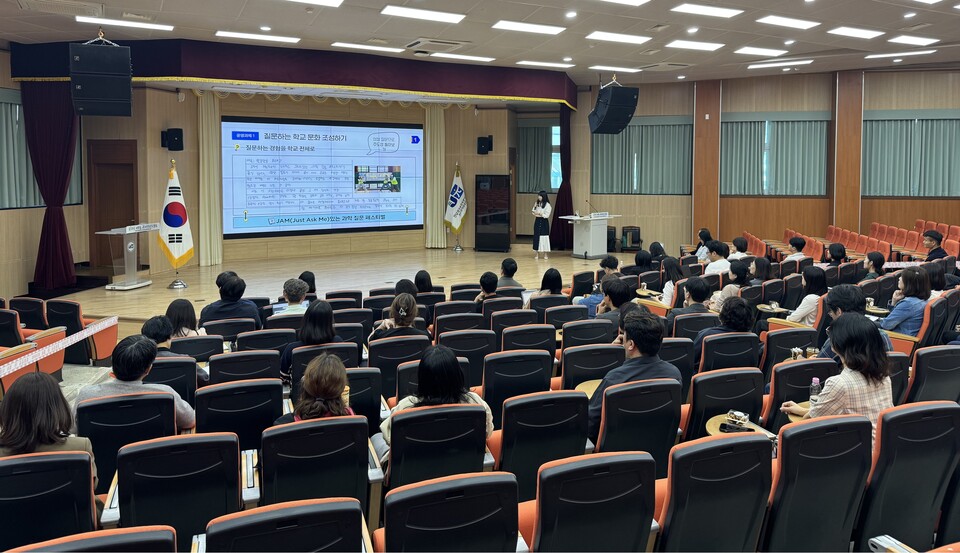
Jeonnam and Gwangju teachers share approaches to student-centered learning. (Office of Education, Jeonnam-Gwangju Special City)
One hundred elementary school teachers and education specialists from Jeonnam and Gwangju gathered on October 1 to share classroom practices that give students a more active role in their learning. Organized by the Jeonnam-Gwangju Office of Education, the 3rd Student Agency Classroom Network took place at the Jeonnam Creative Convergence Education Institute.
Gwangju teachers presented examples from the Questioning Schools and the Question-Centered Classrooms initiatives. They highlighted ways to help students develop their own questions, investigate ideas, and apply what they have learned as real-life problems, making inquiries a regular component of their classroom cultures.
Jeonnam teachers introduced the 2030 Classroom and the 2030 Teaching Exchange initiatives. Their presentations focused on encouraging students to take the initiative, solve problems collaboratively, and participate in joint projects extending beyond individual classrooms and local communities.
SK Chairman Signals Faster Construction for Gwangju Semiconductor Cluster
SK Group Chairman Chey Tae-won called for swift construction of the proposed Honam semiconductor cluster during an October 9 visit to its site at Gwangju’s military airport. Mayor Min Hyung-bae and SK Hynix executives accompanied him on his first visit since the investment plan was previously announced in June.
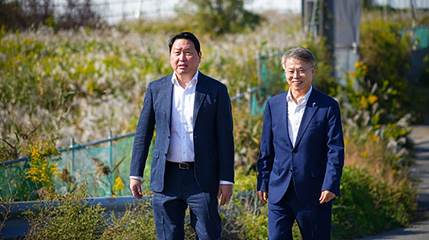
SK Group Chairman Chey Tae-won (left) with Jeonnam-Gwangju Mayor Min Hyung-bae. (Jeonnam-Gwangju Special City)
Chey said rising semiconductor demands require faster expansion of production capacity. He pledged to move ahead as quickly as conditions allow, but he did not announce a groundbreaking date. Construction could begin before electricity and water infrastructure is completed if circumstances permitted, he added.
The cluster is currently planned at approximately two-thirds the scale of the Yongin project, with potential for expansion. Initial production is targeted for June 2030, although progress will depend on site preparation and infrastructure development.
Special City Marks 100 Days
Jeonnam-Gwangju Special Metropolitan City marked its first 100 days on October 8, with a new administrative framework in place, but coordination across its three government complexes still remains a major challenge.
Organizational restructuring and personnel appointments have reshaped the administration. The city also standardized the form of address for officials at Grade 6 and below as “jumu-gwan,” seeking to bridge workplace differences between the former Gwangju and Jeonnam administrations.
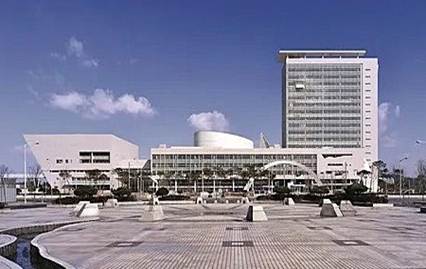
Jeonnam-Gwangju Office of Education. (Gwangju Metropolitan City)
Reports on the first 100 days highlighted unclear responsibilities, long-distance travel burdens, and concerns over staffing distribution. Disagreements have also continued over military airport relocation, the location of a proposed national medical school, and financial allocation. The city is considering mechanisms for public deliberation and citizen participation as it seeks to address these issues. The next phase will test whether the new framework translates into better coordination, more accessible public services, and a fairer balance among regions in the future.
Content Creator
Jeong Chanjong has been working with the Gwangju International Center since March of this year. He is teaching humanities at Chonnam National University.
Cover Photo: Gwangju Kimchi Festival celebrates flavor and tradition. (Jeonnam-Gwangju Special City)