


Galaxy Express: On the Hongdae Garage Rock Scene
By Paul Singh ||
K-pop is one of the most popular music genres to come out of South Korea. However, it also has a scene centering on local rock bands in the Hongdae district of Seoul. One of these bands is Galaxy Express, emerging from the garage rock scene.
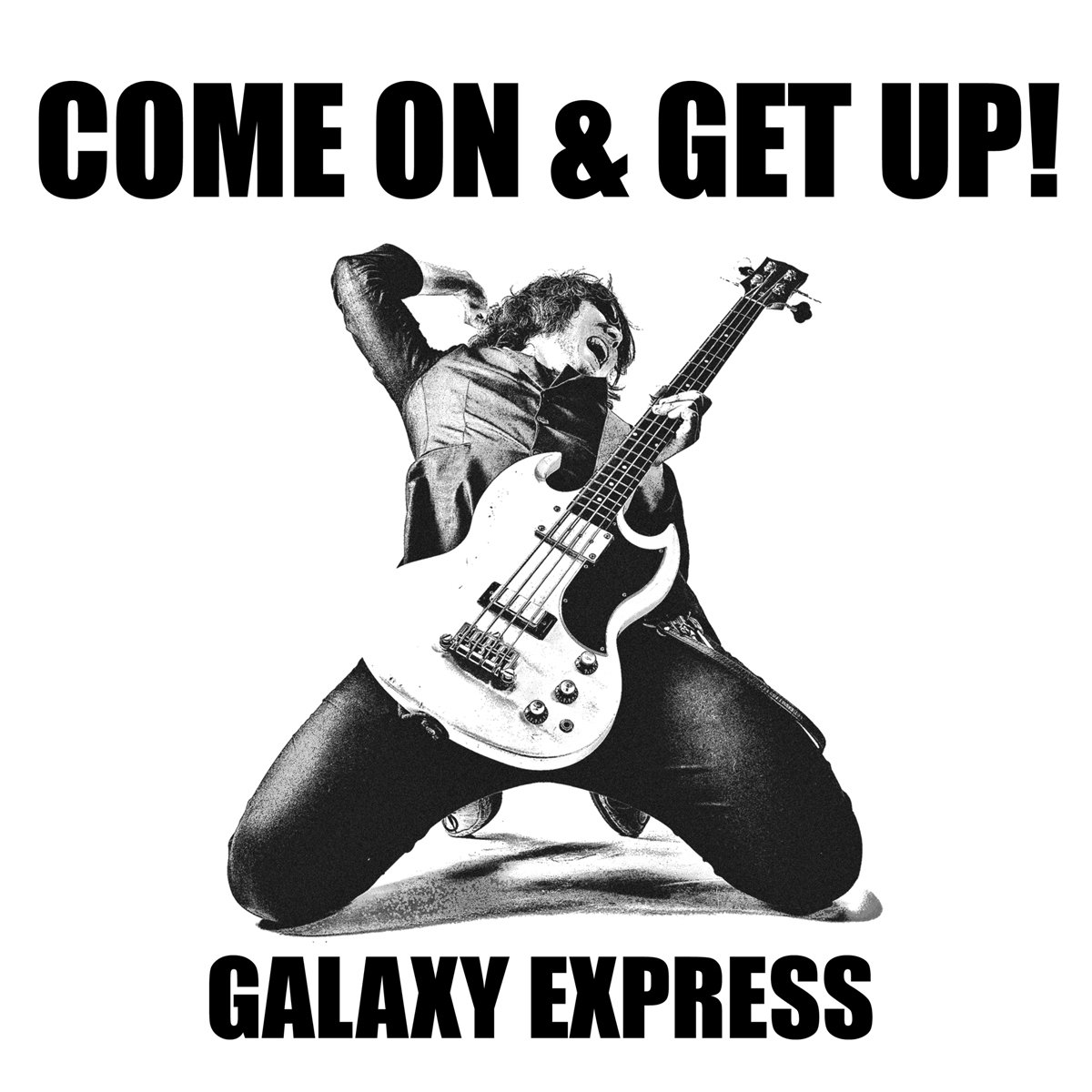
The band consists of Lee Joo-hyun, who rocks a Gibson SG bass guitar, pictured on their first album, Come On & Get Up; Park Jong-hyun on guitar; and on percussion, Jeon Yong-hyun. Both the guitarist and bassist are on vocals.
Formed as a trio in 2006, Galaxy Express combines elements of garage rock, punk rock, and psychedelic rock, with a total of seven studio albums and touring throughout eight countries.
The band members were originally in different groups but eventually decided to join forces and become Galaxy Express, releasing their first album, To the Galaxy, a year after they formed. When it comes to composing music, the trio relies on the basics rather than technological assistance. They will jam until they hear something they like.
The trio always tries to produce and showcase their music innovatively, even though they may initially lack the requisite technological knowledge. As part of a social media experiment, portions of their singles were pre-released online, and their listeners were asked for feedback.
The band’s second album, Wild Days, which features the track “Jungle the Black” was written and recorded in just a month. According to KultScene, “Even if you think you don’t like them, Galaxy Express still wants you to get to know them and find time to grab a drink with the band (seriously!) and fall in love with their special brand of rock ‘n’ roll.”
Their most famous song is “Turn It Up,” which has 950,357 listens on Spotify. This song combines elements of punk rock and garage rock. It is from their 2018 album, Electric Jungle. In addition to “Turn It Up,” two of the best tracks on the album are the first track, “Electric Jungle,” an instrumental with a melodic guitar solo and some bongos, and “Why,” a minute-long, fast punk/garage song that has a very strong bassline similar to Motorhead’s.
Another fantastic track to mention from this album is “Break the Wall,” with the chorus “Break the wall oh yeah,” and “Final Round,” with a very punchy bassline that uses a bit of fuzz for the effect.
But the best overall song from the trio is “Come On & Get Up” from their first album, Come On & Get Up. It has several great guitar riffs and a strong solo toward the end.
In 2009, Galaxy Express received “Best Rock Album” at the Korean Music Awards and in the summer of that year, they made an impression upon audiences at the Incheon Pentaport Rock Festival, at Taiwan’s Rock in Taichung, Taiwan, and at Le Fete de la Musique in France. Apart from Asia and Europe, they also have toured the United States, returning for their second American tour in March 2012.
“Performing 17 shows in as many days, the act made stops at SXSW and Arkansas’ Valley of the Vapors Independent Music Festival, and garnered accolades from the likes of the New York Times and the Austin Chronicle,” according to London Korean Links.
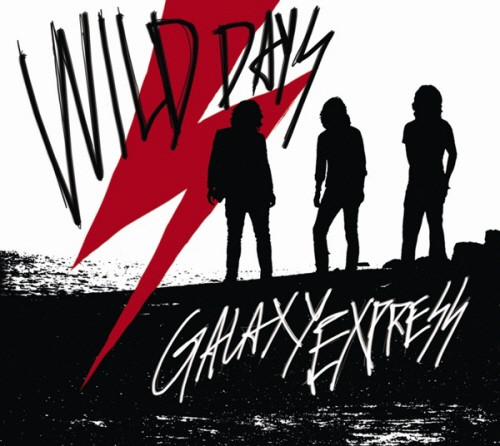
Galaxy Express’ Wild Days album cover.
After returning to South Korea from their SXSW showcase, the band set its sights on connecting with a wider local audience by joining Mnet’s reality audition program Must Band Generation. Competing against some of the country’s most prominent acts, they poured immense effort into their performances, captivating television viewers as they advanced all the way to the final round against bands such as Romantic Punch and Daybreak.
Yet just as the finale was set to air, the broadcast was abruptly canceled following the arrest of bassist Lee Joo-hyun for marijuana possession. Despite the setback, it was later revealed that the band had actually won the competition. Lee would later describe the episode as both
unfortunate and unforgettable – celebrating the victory with drinks and toasts, only to be taken into custody that same day.
Following their legal troubles, Galaxy Express chose to leave the past behind and reestablish themselves within South Korea’s vibrant rock scene. One of their most memorable live appearances came on Naver’s Onstage, where they delivered electrifying performances of “Jungle the Black” and “Bye Bye Planet.” The program, operated by the Naver Cultural Foundation, was a leading online platform that spotlighted live sessions from emerging and established artists alike.
In September of last year, Galaxy Express took the stage at The Grateful Camp, a three-day festival held at Jjangttungeo Beach in Sinan, southwest of Gwangju. Known for creating a “temporary world” where nature, music, and people converge, the event featured a diverse lineup including Windy City, Chang Kiha, Tiger Disco, CHS, hathaw9y, Radio Revolution, and Seoul Electric Band.
Through their music, Galaxy Express channel their outgoing, carefree, and humorous personalities, infusing their lyrics with a spirit of liberation. Their hope is that listeners not only enjoy the ride but also discover a sense of freedom within the songs themselves.
Sources
Gowman, P. (2013). Korea rocks profile 32: Galaxy Express. London Korean Links. https://londonkoreanlinks.net/2013/04/03/ korea-rocks-profile-2-galaxy-express/
Herman, T. (2015). Galaxy Express wants to take you aboard the rock ‘n’ roll train [Interview]. KultScene. https://kultscene.com/galaxy-express-wants-to-take-you-aboard-the-rock-n-roll-train-interview/
The Author
Paul Singh is a British-American journalist who recently graduated from San Francisco State University with a BA in journalism. He specializes in the music scene in South Korea. In his free time, Paul loves to play the guitar and bass.
Cover Photo: Lee Joo-hyun with his Gibson SG bass guitar on the cover of Galaxy Express’ Come On & Get Up album cover.