

The Calcuttan in Korea: I’ve Arrived!
By Reeti Roy ||
A Day in Hands, Honey, and Tile Roofs
I arrived in Seoul with the kind of expectations you carry in your palms, like fragile postcards from a place you’ve never been. I imagined a city of blinding glass, of hyper-speed efficiency, of streets moving faster than a heartbeat. Calcutta had taught me patience in motion, the careful alchemy of hand and eye, the poetry in mended things, but I assumed Korea would be different. I was wrong.
Seoul revealed itself slowly, in fragments, in alleys, in objects touched by people whose names were lost but whose care persisted. The city has hands. And those hands spoke a language my own city, my own history, understood.
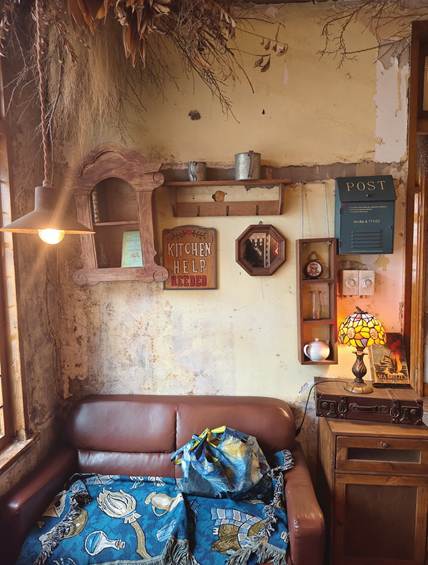
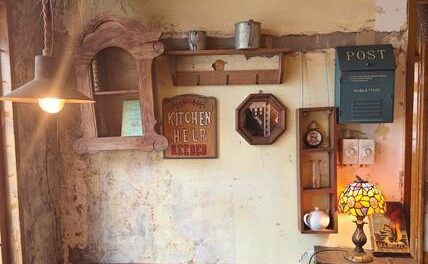
Transported to a new world at Dotori Garden.
SeMoCA: The Museum of Fragments That Speak
I began my day at the Seoul Museum of Craft Art, SeMoCA, a place perched on centuries of royal passage. Yet the ghosts here are younger too; the museum sits where Pungmoon Girls’ High School once thrived, where whispered lessons and hurried footsteps left traces in the floorboards. The city’s history layered itself like textile scraps underfoot.
The courtyard greeted me first. Sunlight fell through latticed trees, scattering gold across smooth stone paths. The faint scent of pine hung in the air, mingling with dust warmed by sun. A bird hopped across a low wall, paused mid-step, and I imagined it remembering the children who once ran here. The courtyard was quiet but not empty – alive with echoes of care.
Inside, I was drawn to the bojagi, Korean wrapping cloths stitched from silk and ramie scraps. Each stitch felt like a heartbeat, a refusal to let memory fade. I thought of Calcutta’s kantha quilts, where rags are transformed into heirlooms by hands that refuse to rush. Each uneven thread, each puckered fold, was insistence made visible, persistence made delicate.
The museum hums with quiet rebellion. In a world hurtling toward disposable screens and fleeting stories, SeMoCA argues – without a word – that fragments matter, remnants are sacred. I traced my fingers along the glass, imagining the hands that pressed and stitched. Someone else’s footsteps echoed softly behind me; the floor creaked like a conversation.
For a city like Gwangju, which thrives on art that asks questions, SeMoCA offers a similar radicality: Care itself is revolutionary, craft is philosophy, a needle can write the same poetry as a monument.
Arario Museum in Space: A Vertical Labyrinth
Just a few blocks away, Arario Museum in Space offered a different kind of stitch. If SeMoCA is a manifesto in fabric, Arario is a manifesto in charcoal brick. It was the studio of Kim Swoo-geun, who understood that a building should feel like a garment draped over the human scale, hugged into the land.
The corridors were narrow; I had to turn my shoulders, twist my body. The stone stairs spiraled unexpectedly. Every landing revealed a secret courtyard, a splash of sunlight across raw brick. I thought of North Calcutta: labyrinthine houses with courtyards tucked into courtyards, unexpected corners that smell of wet stone and spice. Here, contemporary art did not hang on walls. It occupied the in-between, the gaps, the spaces you almost step over. The 1970s concrete whispered to the Joseon-era roofs next door, a conversation that never ended.
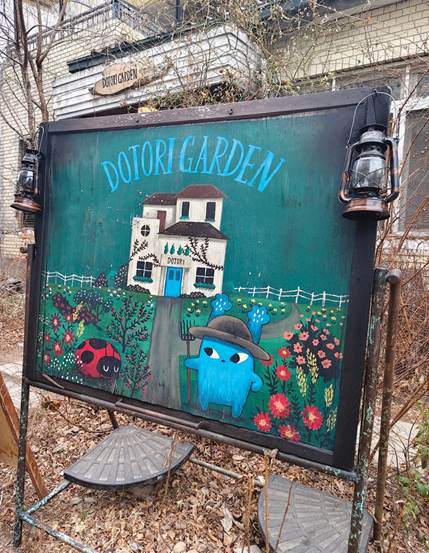
Whimsy and color at Dotori Garden.
I lingered in a room with a single sculpture, dark and shifting in the corner. The floor smelled faintly of cement and varnish. I crouched, circled, tilted my head to see the shadows fold into the angles. I remembered the hands that made it, the patience, the patience, the patience.
Dotori Garden: Forest and Honey
Five minutes from Arario, the city softened. Dotori Garden does not announce itself; it does not need to. You slip through a low wooden gate, past a courtyard where sunlight dances through leaves, the scent of polished wood and honeyed air wrapping around you.
This is a heterotopia: a forest inside a city, a house inside a garden, a space that keeps its own time. Blue-furred acorn mascots, Dotori and friends, perch on beams like guardians. The wooden floor creaks underfoot. I ordered a Greek yogurt bowl with honeycomb so thick it dripped like molten amber. Each bite felt like meditation, like permission to slow down.
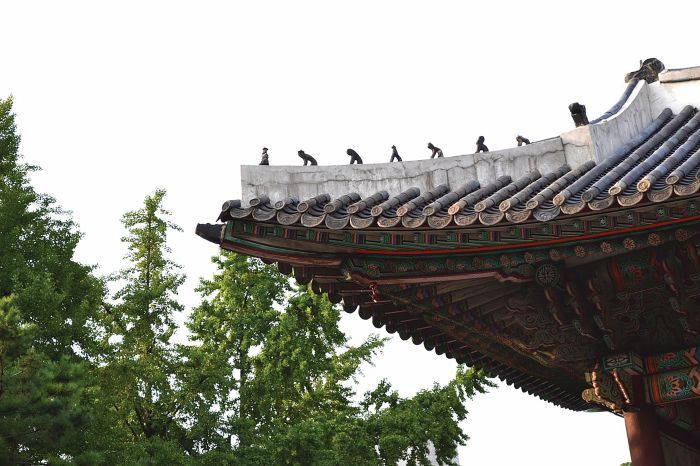
Giwa roof tiling. (mimikim, Pixabay)
Then came the acorn-shaped madeleines, small rebellions against the mass-produced. I watched the sunlight shift across wooden beams, noticed the fine scratches of other visitors’ feet, smelled the faintest sweetness in the air. Dotori is about jeong, that Korean warmth that lingers in memory. For someone used to Gwangju’s Yangnim-dong, this place feels familiar: a sanctuary where the city breathes slower, where the pulse of care is tangible. I thought of Calcutta’s alleyway tea stalls, the walls crowded with years, the way a cup of chai tastes like history. Dotori is the Korean equivalent: modest, magical, human.
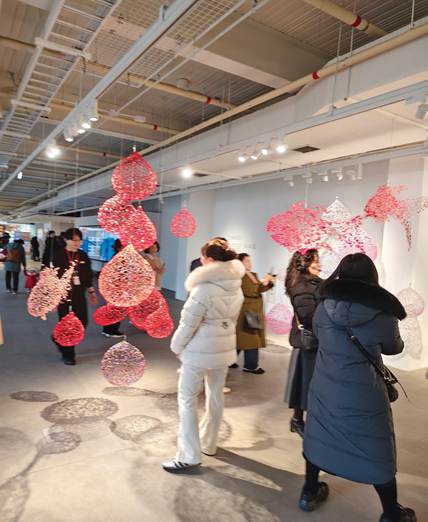
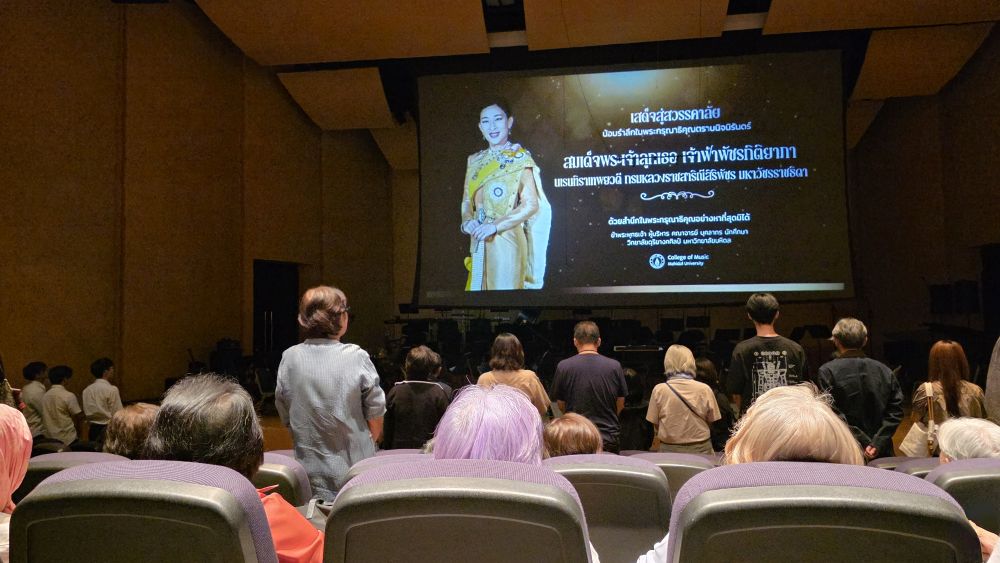
Audiences in rapt attention, understanding the relationship between art and fashion.
Bukchon-ro: Café, Conversation, and Curved Roofs
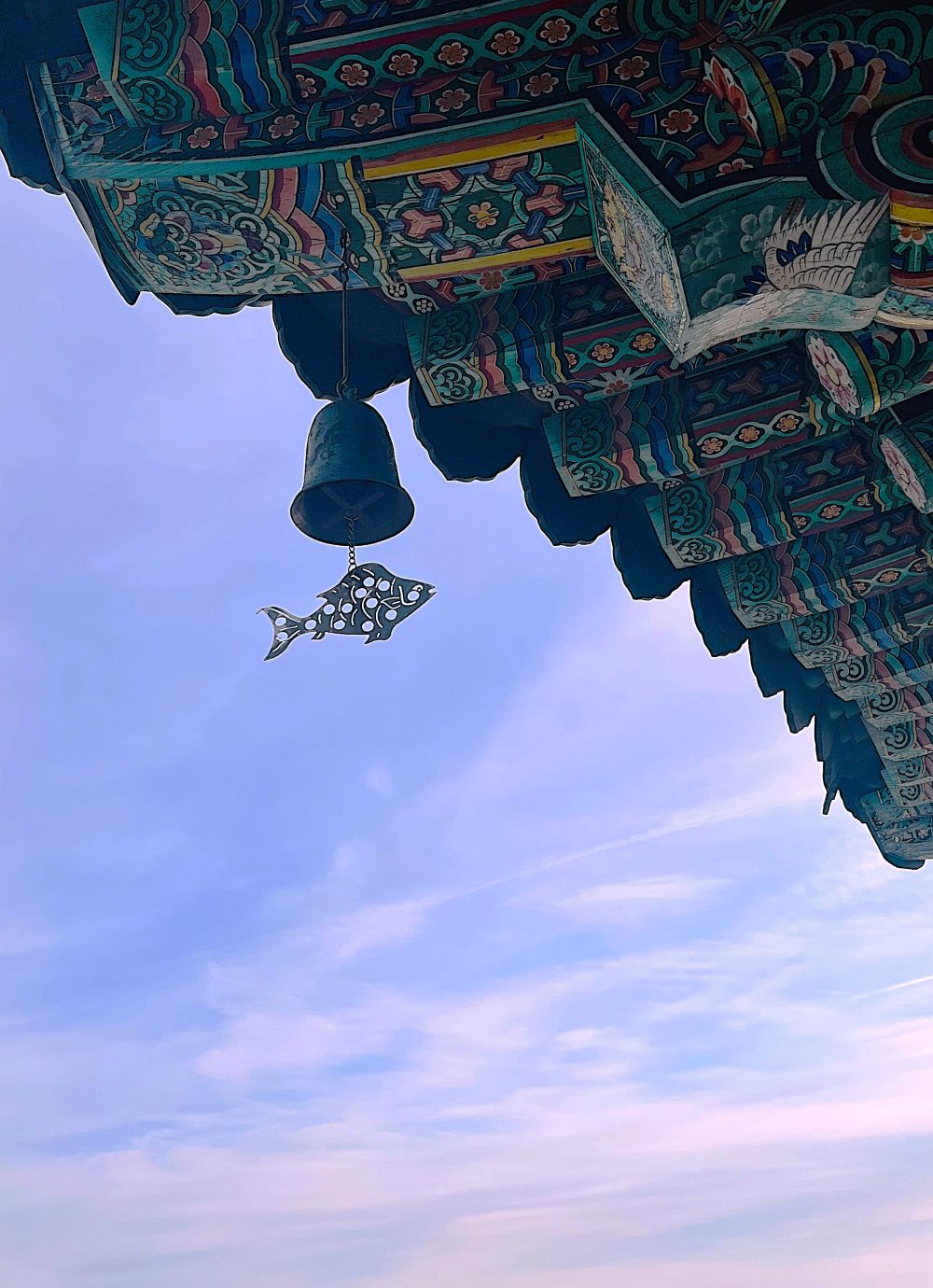
As the day waned, I wandered up Bukchon-ro. Charcoal-grey giwaroofs curved like sleeping tiled dragons. In Calcutta, we have the terracotta temples of Bishnupur, where the earth is baked into stories. In Seoul, the giwa does the same. Watching a master craftsman replace tiles, I understood “careful alchemy”: a beautifully inefficient process, an insistence that heritage matters more than efficiency.
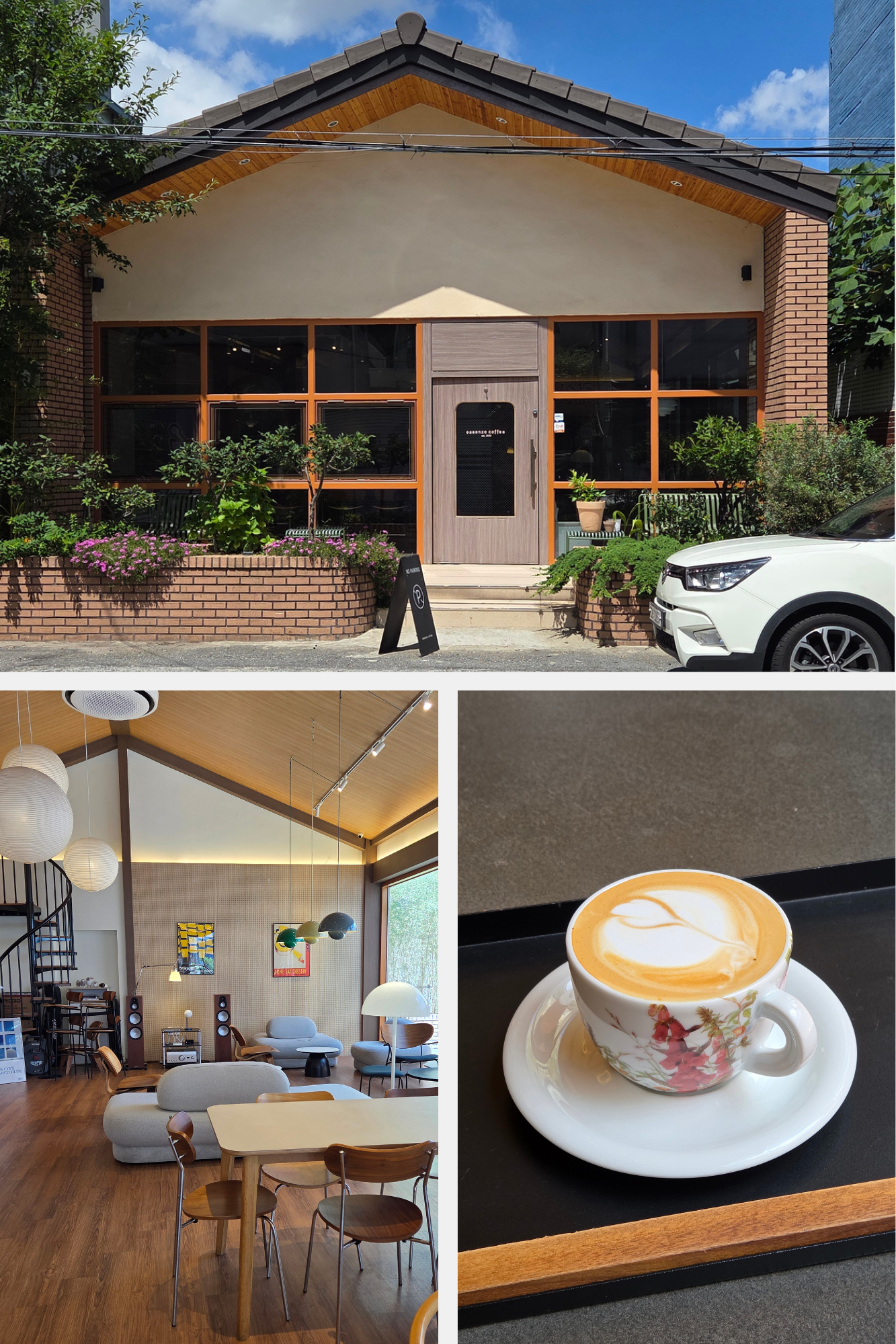
A café appeared between a hanok residence and a small gallery. Inside, walls were whitewashed, punctuated by photographs of artisans at work. The shelves held handmade ceramics, jars of honey from nearby mountains. I ordered a pour-over and sat by the window, feeling the weight of the cup in my hands. It was bitter, it was alive, it was patient.
I watched sunlight bend across rooftops, imagined the conversations happening in neighboring hanok, felt the slow negotiation of past and present in every shadow and sip. I thought of Gwangju: how art refuses to be pretty, how it asks questions rather than offering answers. Here, Seoul asked the same questions, only in coffee, roofs, and light.
Hands as Maps
Why does this matter? Because whether in Calcutta, Gwangju, or Seoul, the story is the same: hands that make, hands that care, hands that stitch the world together. Gwangju prizes art for its questions. SeMoCA prizes craft for its insistence. Dotori Garden and the Bukchon café prize presence and patience.
Across these cities, the heartbeat persists: Making is living, care is revolution, hands are our most honest map. The smallest stitch, the slowest sip, the quietest footprint on a wooden floor carries the weight of worlds. In that remembering, I traced my own city onto this one and found Calcutta and Seoul unexpectedly, gloriously entwined.
The Author
Reeti Roy is a writer and creative entrepreneur exploring material, memory, art, identity and social justice across India, the UK, and South Korea. Trained in social anthropology at the London School of Economics and Political Science, she is spending 2026 at Yonsei University to deepen her engagement with Korean language and culture.
Photographs by the author.