Transparent Solar Panels: Good or Bad?
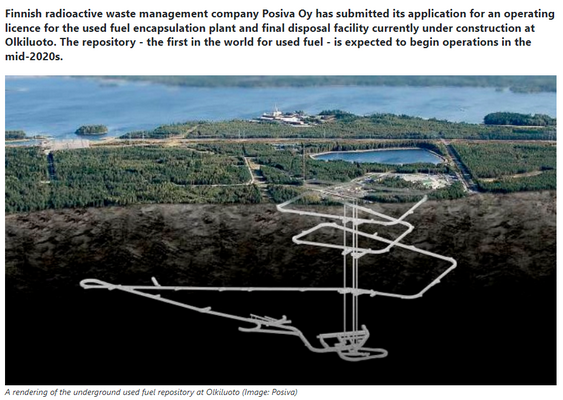
By Chung Hyunhwa In my previous article, I argued that using nuclear energy needs to end due to the fact that it requires a thorough nuclear waste management plan including permanent … Read More

Published by the Gwangju International Center since 2001





By Chung Hyunhwa In my previous article, I argued that using nuclear energy needs to end due to the fact that it requires a thorough nuclear waste management plan including permanent … Read More
If you have been around Gwangju for a while, you have likely heard of Julian Warmington – that pack of energy from New Zealand. Julian taught for years at Chosun University. During that same time, he also spent years contributing to a fledgling Gwangju News, where he wrote articles, served as co-editor, and later served as editor-in-chief. Julian was also considerably involved in Korea TESOL, serving for several years as editor-in-chief of The English Connection, KOTESOL’s quarterly magazine, as well as founding and being a driving force in KOTESOL’s Environmental Justice Special Interest Group. In this interview, we touch on all of the above but focus on how EFL instructors can instill in their students a strong sense of environmental awareness.
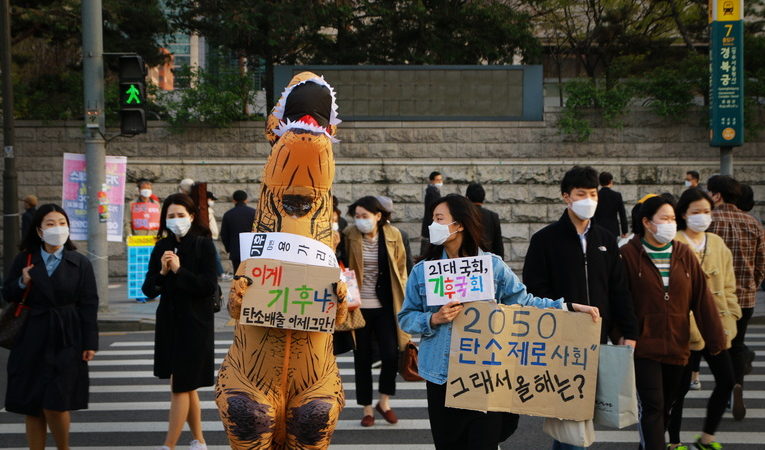
Newly elected President Yoon announced that Korea would resume building the two nuclear power plants that Moon had stopped and mentioned ‘pyroprocessing technology’ could be used to solve the nuclear waste problem. At this point, questions arise in times of carbon-neutrality: Is nuclear energy green? Is nuclear energy a shortcut to net-zero emissions? Are there not any other energy solutions?
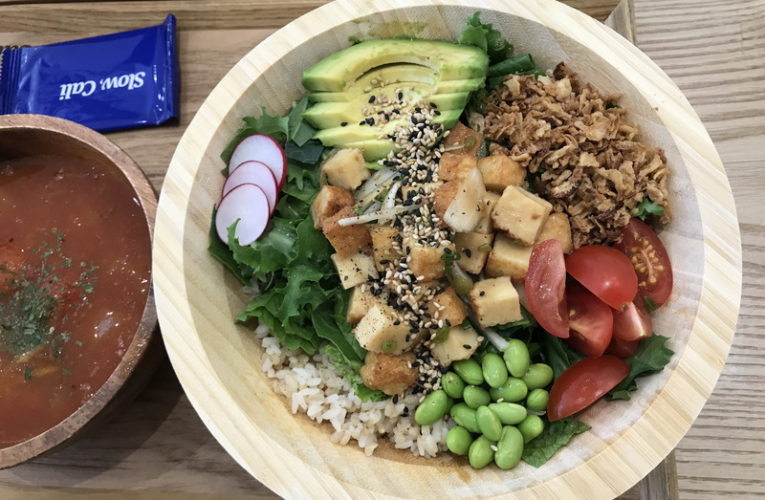
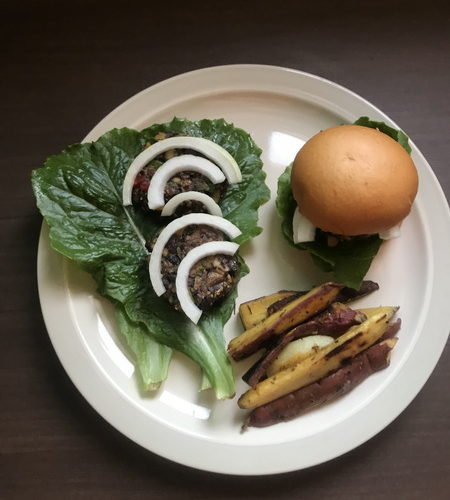
This spring, I encourage you to get out of your routine eating habits and spice things up. Why not give plant-based food a try in Gwangju?
Korea is known to have about 2,500,000 vegans as of 2020. The number has gone up greatly compared to 150,000 in 2008. Besides these people, more people are choosing plant-based dishes at least one meal a day.
“A huge shift happening, as more and more people begin to understand the immense benefits eating a plant-based diet can have on their health, animal suffering, and the environment.”
“I also am a vegetarian to care for the planet and produce less waste.”