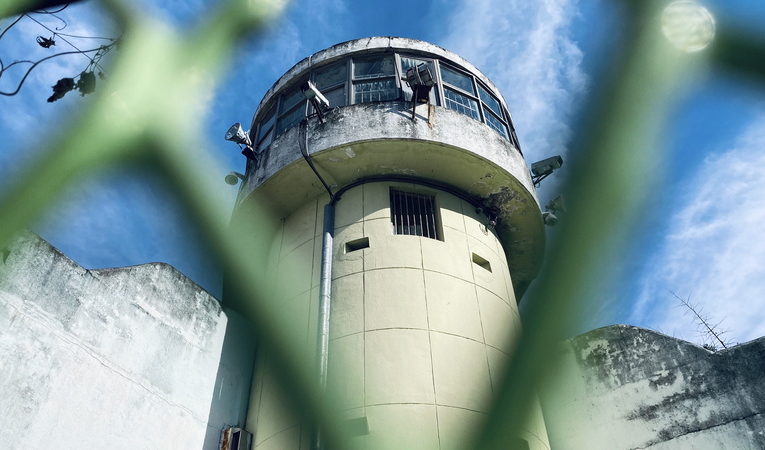
The Great Leap Backward: A Look Inside the Old Gwangju Prison
“What they were also surprisingly keen on was decorating, as many rooms had unique wallpaper not seen in other cells.”

Published by the Gwangju International Center since 2001





“What they were also surprisingly keen on was decorating, as many rooms had unique wallpaper not seen in other cells.”
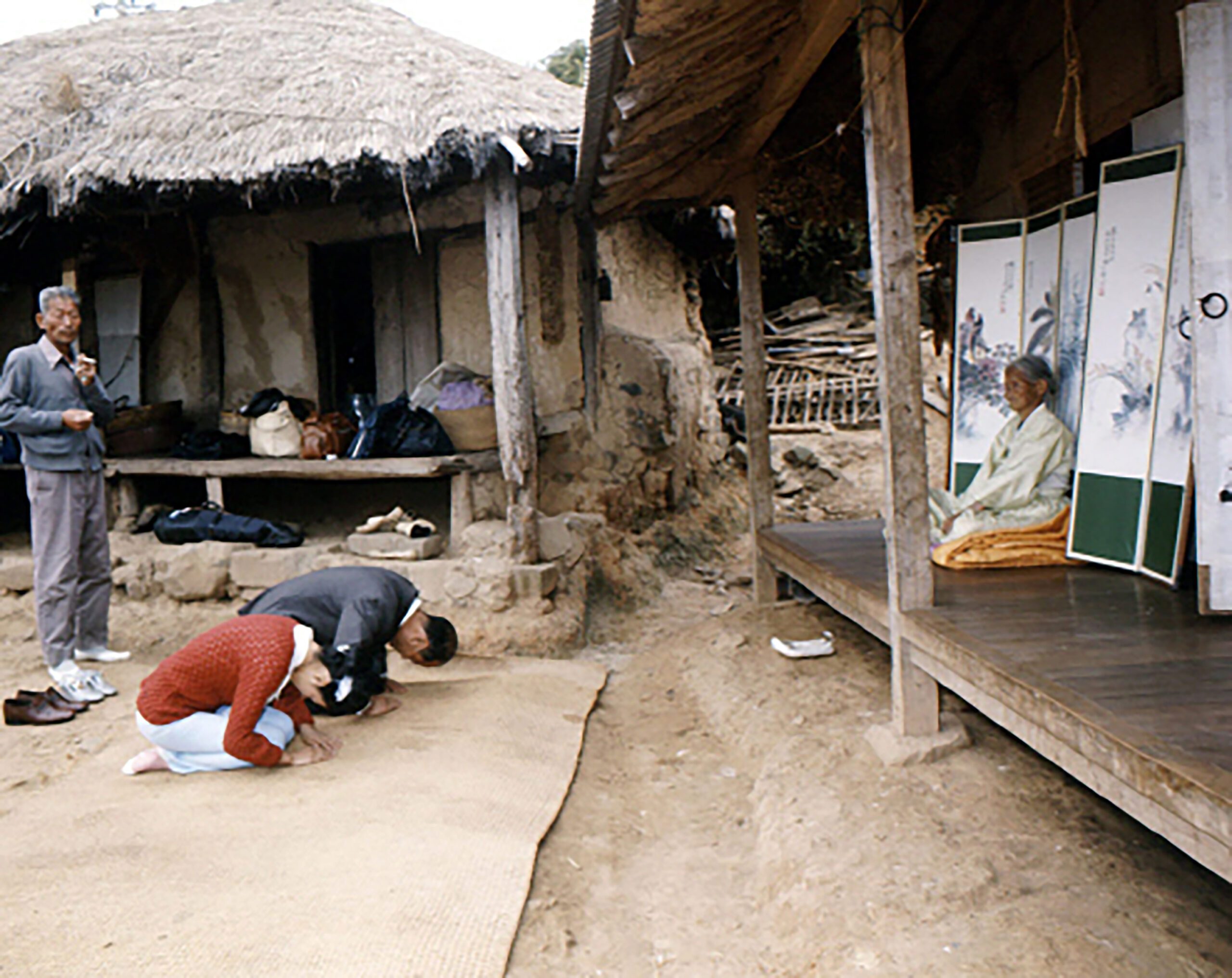
“My aim here is neither to extol nor vilify the Saemaul Movement, but rather to highlight its continued impact on the Korea we see today.”
Korea’s millions of barbeque-loving boomers face a similar dilemma when it comes to apartment life. Lacking even the smallest external balconies, their apartments force them to buy half a home’s worth of additional appliances and camping gear so they can approximate backyard cookouts at overcrowded campsites.
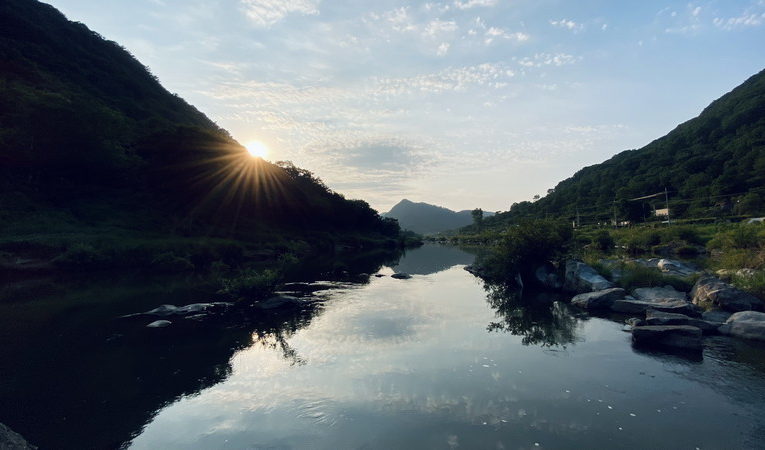
Located alongside the bulging rockface of Yonggwolsan, the new “Sky Road” (하늘길) zigzags for long stretches up the mountainside, offering unparalleled views of the Seomjin River valley below. It’s the latest manifestation of the region’s push to develop the local tourism industry, for better and for worse.
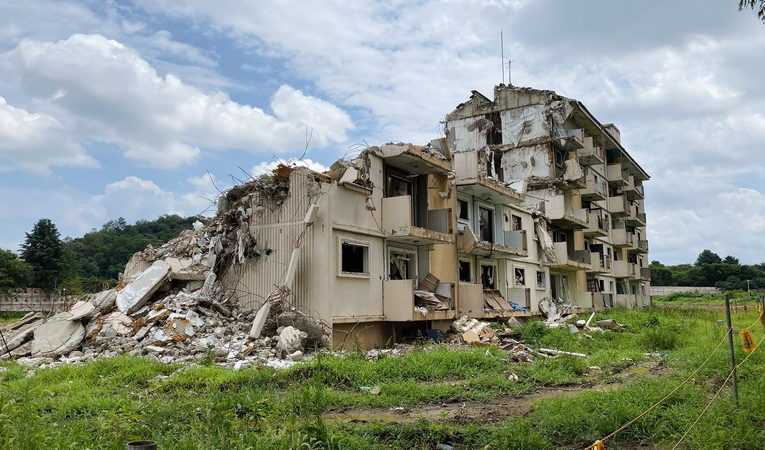
From the rubble of old neighborhoods that struggled to pay their tithes, god resurrects new taxes, consumption, and debt. This redevelopment process is hard, relentless work that requires a break now and then – every Sunday, in fact.
In a departure from the usual Lost in Gwangju column, this month we’ll go beyond the city limits and share the best of the region’s ripped backsides, along with a few tangents about why we sink so much time into finding them.
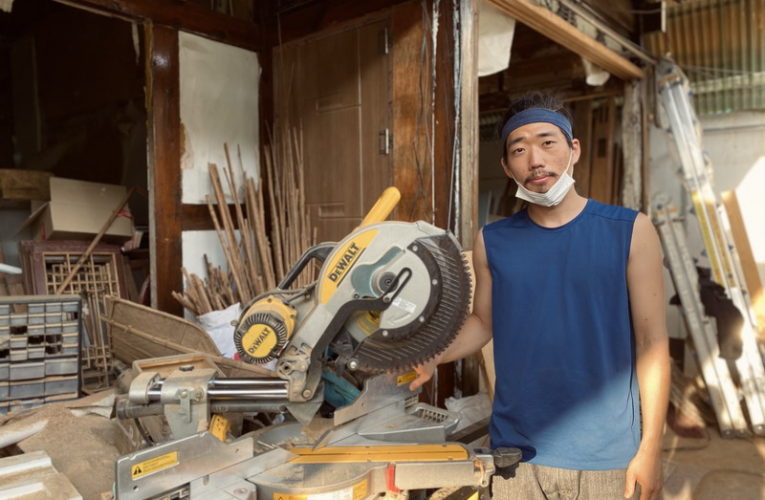
Just when you thought hanok architecture had been consigned to either moldering country homes or sterile boutique spaces, a lone hanok restorer in his mid-20s emerges with a vision to not only restore traditional houses in the present but also preserve their structural designs for posterity via 3D modeling.
By Isaiah Winters. As we near the upcoming rainy season, many of Gwangju’s riverside residents and businesses are eyeing the calendar with a sense of foreboding. Last year’s torrents, swelled … Read More