


From the GIC: Nurturing Global Leaders – San Antonio Sister Cities Youth Summit
By Lee Boram ||
Since the 1990s, globalization has transformed not only relations between countries but also cooperation among cities. As local governments gained greater autonomy, cities around the world began expanding international partnerships in areas such as culture, education, and economic development, recognizing that global engagement is essential to enhancing urban competitiveness.
Gwangju Metropolitan City has actively embraced this trend. Beginning with its first sister-city relationship with Tainan, Taiwan, in 1968; Gwangju has established sister-city partnerships with San Antonio, USA (1981); Guangzhou, China (1996); Medan, Indonesia (1997); Sendai, Japan (2002); Changzhi, China (2004); and most recently Nghe An Province, Vietnam; and Yancheng, China, in 2025. Through these partnerships, the city continues to strengthen international cooperation and people-to-people exchange.
As cities become increasingly interconnected, the qualities expected of future leaders have also evolved. Today’s global society requires more than foreign language proficiency; it seeks global citizens who can understand diverse cultures, collaborate across borders, and address shared global challenges. Following the adoption of the United Nations Sustainable Development Goals (SDGs) in 2015, fostering young leaders capable of tackling issues such as climate change, environmental sustainability, human rights, and inequality has become a global priority.
The COVID-19 pandemic further reshaped international exchange. While travel restrictions temporarily limited face-to-face interaction, new forms of exchange rapidly emerged.
Hybrid programs combining online and offiine participation have become the new standard, and international exchange has expanded beyond cultural experiences to include collaborative projects, SDG initiatives, and joint efforts to solve global challenges.
Against this backdrop, providing young people with opportunities to develop international communication skills, global citizenship, and real-world cross-cultural collaboration has become more important than ever.
Reflecting these global trends, Gwangju’s sister city, San Antonio, Texas, hosts the San Antonio Sister Cities Youth Summit, inviting young representatives from sister cities worldwide. This year’s summit, taking place from July 23 to 30, focuses on sustainability through hands-on exploration of San Antonio’s River Walk, including its water circulation system and resource management. Two youth representatives from Gwangju have been invited to participate.
To prepare local youth for this valuable international opportunity, Gwangju City organized a six-week Global Leader Training Program during April and May. The program was designed to cultivate globally minded young leaders and to select representatives for the Youth Summit.
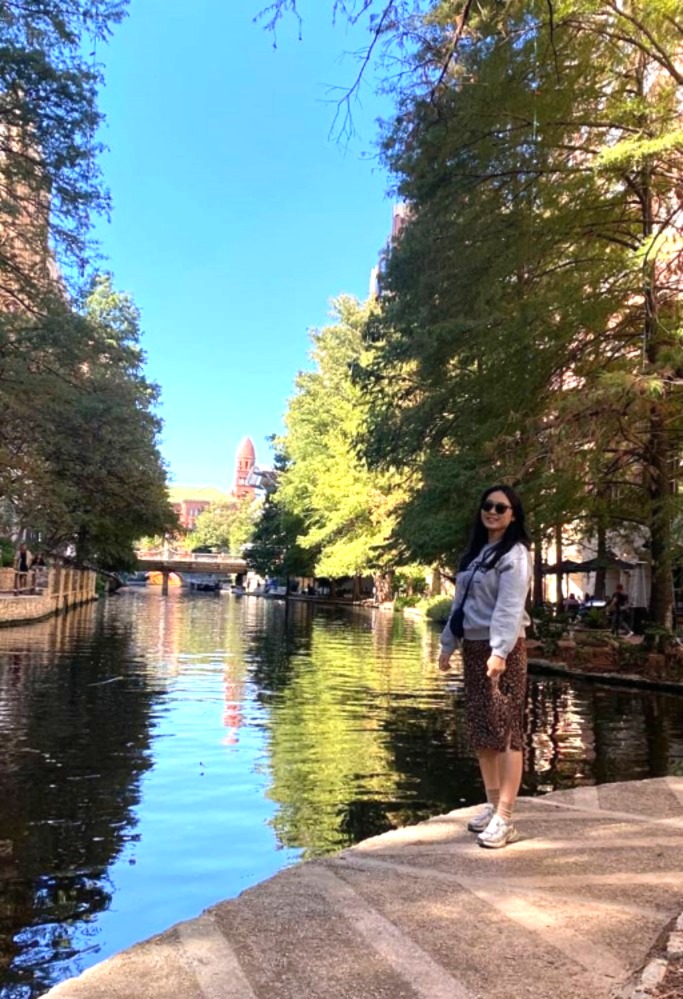
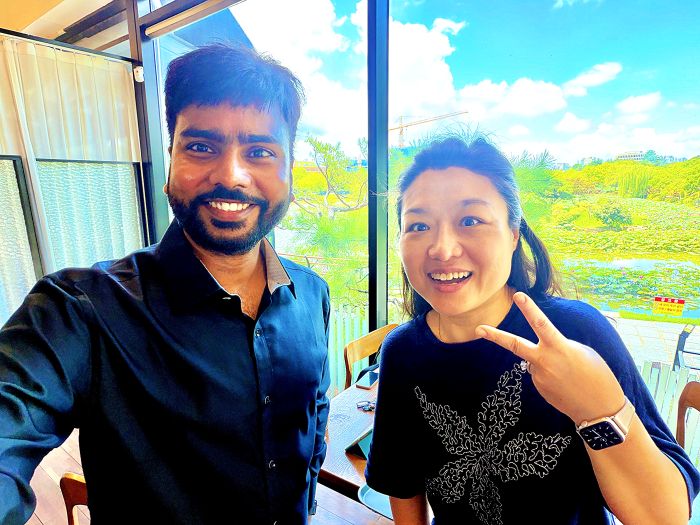
Lee Boram at the San Antonio River Walk.
Centered on the Summit’s sustainability theme, the Global Leader Program enhanced participants’ understanding of the SDGs while strengthening their English communication, discussion, and presentation skills. It also aimed to prepare students to engage confidently with young people from around the world.
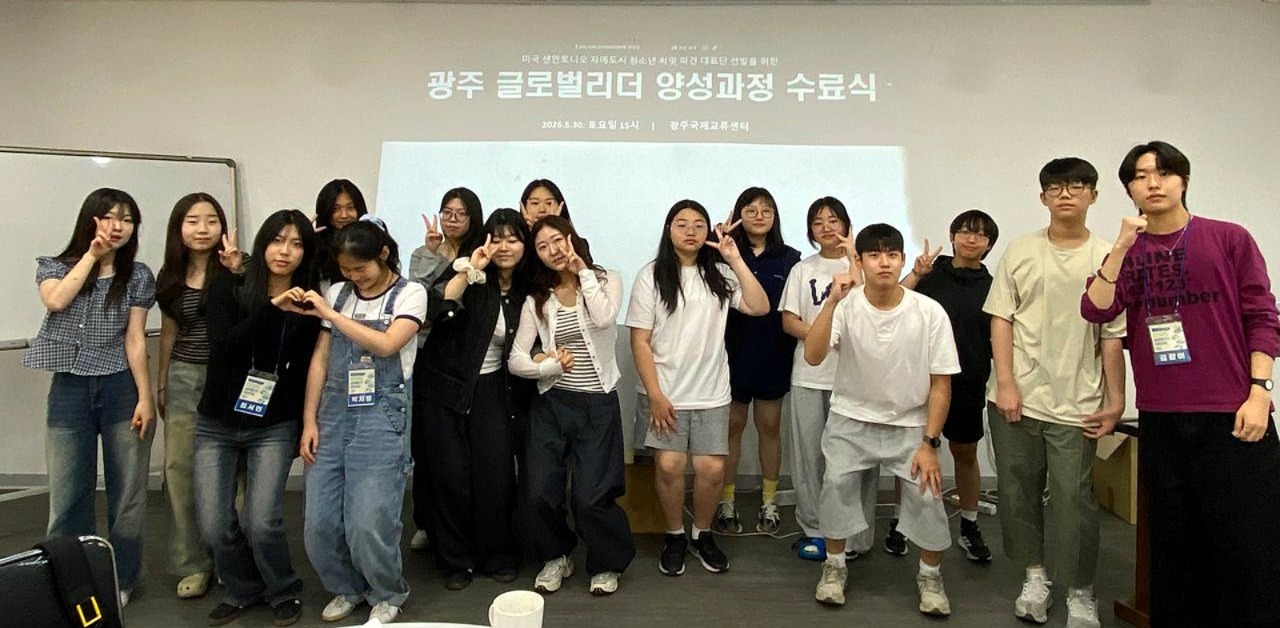
Twenty students aged 14 to 18 from Gwangju, all interested in international exchange and sustainable development, participated in the training program. Following an orientation on April 25, participants attended four Saturday training sessions between May 2 and May 30, culminating in a final presentation.
The program combined English discussion and presentation training led by a native-speaking English professor from Chonnam National University with lectures on green communities and the SDGs delivered by the Gwangju Council for Sustainable Development. Participants also visited nonprofit organizations and community initiatives promoting sustainable resource
circulation and environmental protection, gaining firsthand insight into local sustainability practices.
To deepen their understanding of American society, participants attended sessions on U.S. culture and global etiquette led by an American instructor through the Fulbright English Teaching Assistant program. They also learned about the history and status of the sister-city partnership between Gwangju and San Antonio from an official of Gwangju City’s International Relations Division.
Throughout the program, students engaged in discussions and presentations based on Gwangju’s sustainable urban policies and community initiatives. The curriculum was carefully designed to strengthen the global citizenship, communication, and problem-solving skills needed to actively participate in the San Antonio Sister Cities Youth Summit.
All participants who successfully completed the program received certificates of participation. Following a comprehensive evaluation – including English presentations on a sustainable Gwangju and interviews assessing motivation, leadership potential, and active participation – two outstanding students were selected to represent Gwangju at the Summit.
As official youth representatives of Gwangju City, they will participate in the San Antonio Sister Cities Youth Summit, where they will exchange ideas with young people from San Antonio and its other sister cities on topics such as sustainable cities, environmental protection, and cultural understanding.
More than simply an English language-learning course, the Global Leader Training Program serves as a platform for young people to explore sustainable solutions alongside their peers from around the world.
The Author
Lee Boram is team leader of the International Exchange Team at the Gwangju International Center.
Cover Photo: Gwangju youth at the completion ceremony for the Global Leader Training Program.