

Untergang: A Small Book Café with Big Conversations
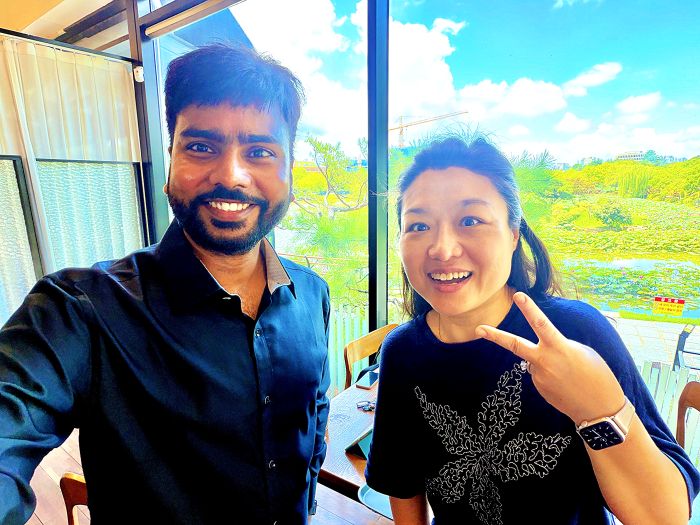
By Saqib Sharif ||
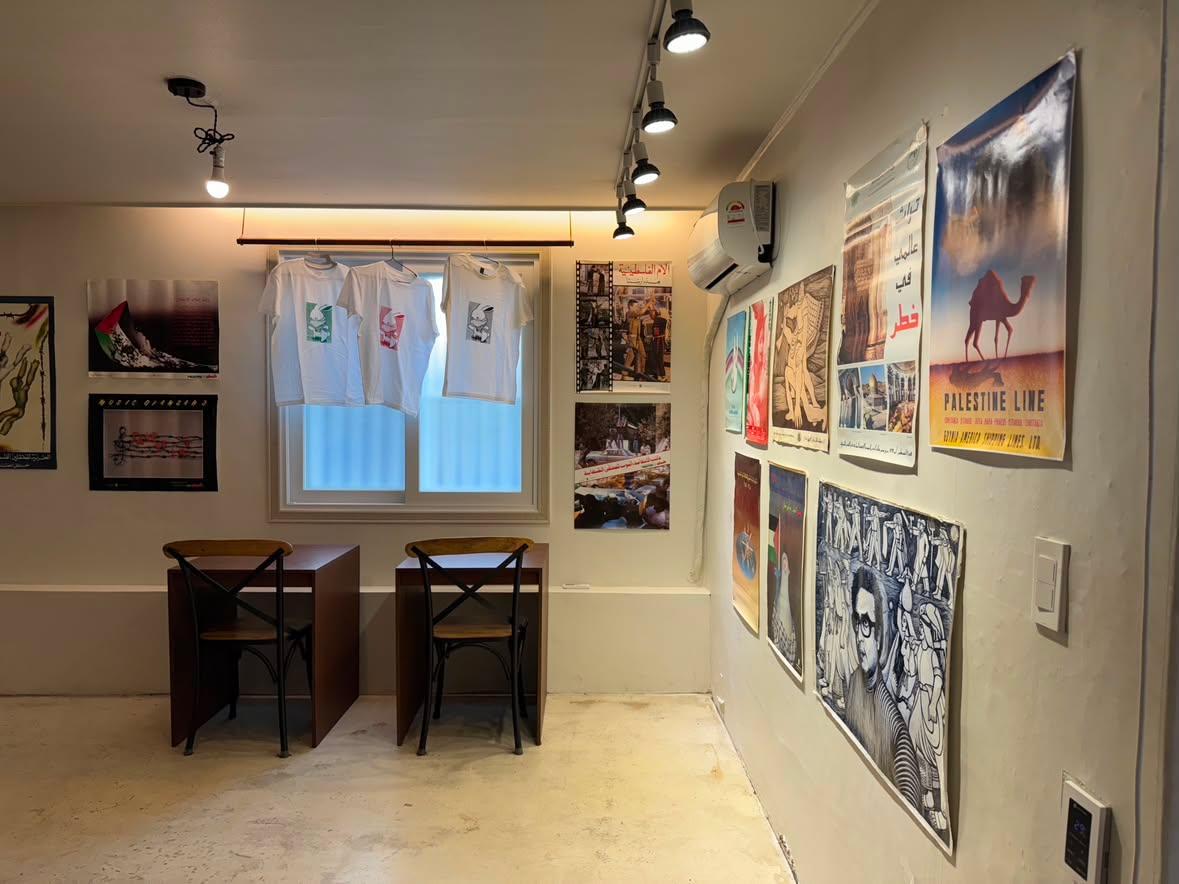
In a sweltering evening last August, a friend invited me to the opening of a new book café. When I entered the address into my map, I imagined it would lead me to one of those sprawling countryside cafés surrounded by gardens, a cozy retreat tucked away in the Hwasun mountains, or perhaps a sleek, futuristic space in the heart of downtown Gwangju. Instead, the destination was an ordinary street in a quiet neighborhood not too far from Chonnam National University, and the café itself occupied a surprisingly modest space. Curiosity got the better of me, so I went.
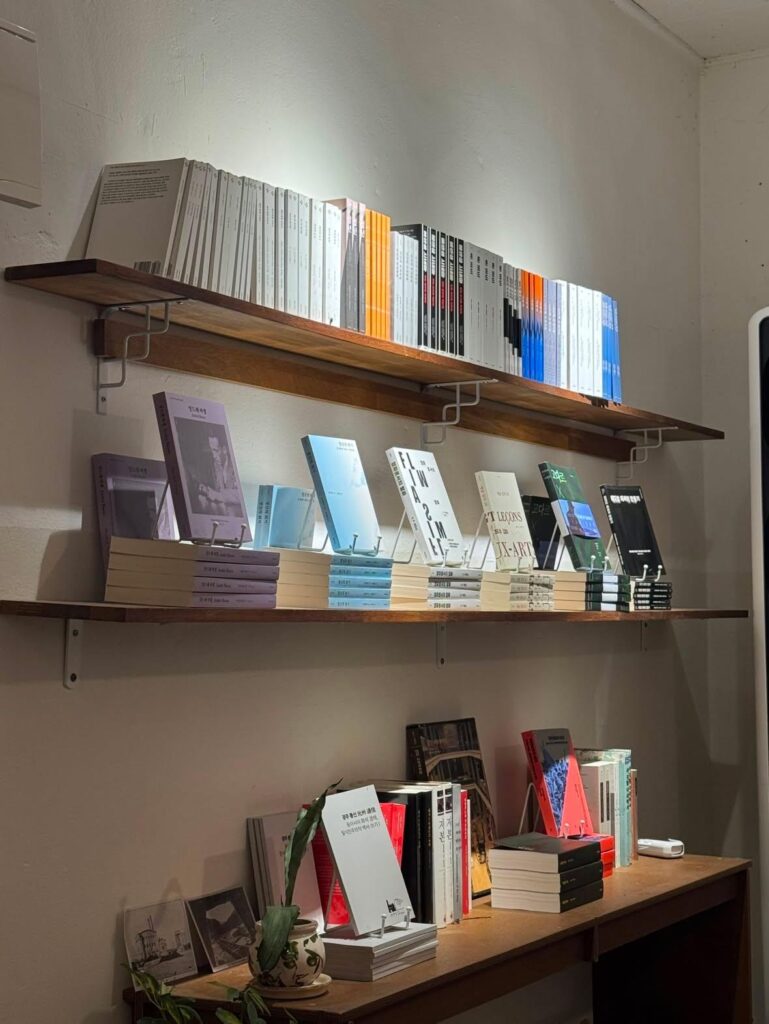
The surprise began the moment I stepped inside. It was not the café’s size or décor that caught my attention, but its people. Artists chatted with musicians, filmmakers exchanged ideas with writers, and an art professor browsed shelves lined with books that would rarely appear in mainstream bookstores. Many of the titles explored subjects such as political philosophy, social movements, history, and culture, giving the place an atmosphere reminiscent of films where young idealists gather to debate ideas that challenge the world around them.
The evening unfolded with homemade food, a glass of wine, screenings of short films and music videos created by local artists, and conversations that stretched late into the night. For someone like me, a scientist who spends most days immersed in laboratories, simulations, and research papers, it was an unexpectedly refreshing encounter with Gwangju’s creative and intellectual community.
That evening, I met the founder of the café, Kim Eunseong, a 27-year-old humanities and arts student at Chonnam National University.
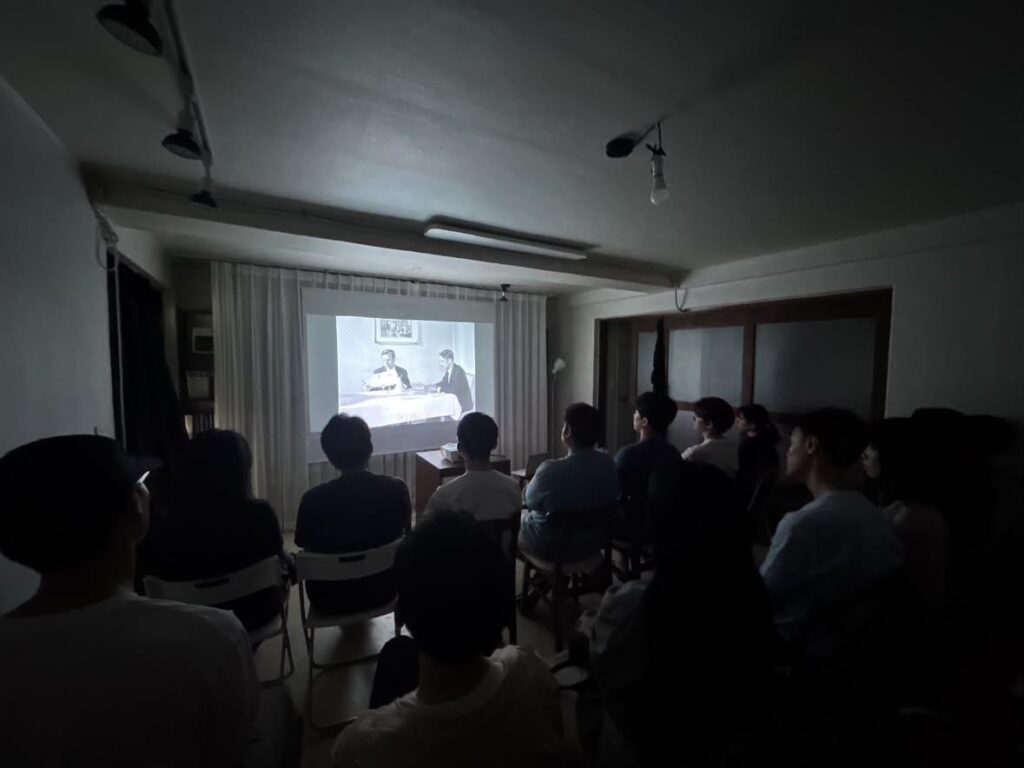
A quiet room, dim lights, and a timeless black-and-white film bring the audience together for an evening at Untergang Café.
Her vision for the space was unlike any café I had visited before. It was not simply a place to read books or drink coffee; it was designed as a meeting point where literature, art, politics, film, and conversation could coexist.
“It was designed as a meeting point where literature, art, politics, fllm, and conversation could coexist.”
Recently, I had a chance to connect with Kim and learn more about the story behind Untergang (운터강) Book Café, the ideas that inspired it, and the community she hopes to build.
Saqib: What inspired you to open this book café, and what is the story behind it?
Kim Eunseong: Through a combination of chance and an idea I had long held vaguely in my mind, and finally encountering material conditions that made it realistically possible, this space came into being. I became involved in a project connecting the history of the old Imdong Textile Factory with the climate crisis, and while spending a lot of time exploring and researching the area around Imdong, by the riverside, I happened to come across a space that could be run on a very small budget. The conditions seemed almost too good to be true, so I felt I couldn’t let the opportunity pass. At the same time, I had long wished there were a place in Gwangju where people could develop, share, discuss, and present sharp perspectives on politics, society, culture, and art. That is why I decided to open this space. Whether it has lived up to that vision, however, is another question.
Saqib: Your collection includes many books on topics such as Marxism, imperialism, communism, socialism, genocides, and dark political history. Why did you choose to focus on these subjects?
Kim Eunseong: As the name itself suggests, Untergang Book Café is grounded in Marxism and critical theory. Because Marxism has long been closely connected to movements of social resistance, the bookstore carries many books on politics, society, and social movements. At the same time, it is not limited to those subjects. There is also a wide selection of books on art, culture, and literature. Even so, the books are chosen with a particular perspective in mind, they are works that reveal forms of struggle and conflict within their respective fields, rather than reducing everything to questions of beauty or matters of individual taste and freedom.
Saqib: The café also hosts gatherings where people watch films and discuss music, art, and literature. What motivated you to create these events?
Kim Eunseong: One of my biggest goals is to introduce experimental films and works of art that people cannot easily encounter in commercial cinemas or at mainstream cultural events. This is especially important because, outside the Seoul metropolitan area, opportunities to experience such works are even more limited. Of course, many of these works are unfamiliar and challenging for me as well, so it is not always easy. That is precisely why we always have a gathering after each event. During these informal conversations, we take time to discuss the work we have just experienced together, using it as a shared point of reference to exchange ideas and reflections.
Saqib: Have there been any books, films, or discussions that had a particularly strong impact on your community?
Kim Eunseong: There is not yet a clearly defined or organized community around the bookstore. People from many different backgrounds continue to come through the space, bringing a wide range of perspectives. As a result, there is always a certain productive tension as new encounters and conversations emerge. One event that stands out in my memory is a reading group where we read Andreas Malm’s Fossil Capital alongside Friedrich Engels’ The Condition of the Working Class in England. People with very different interests and professions gathered to work through these demanding books and texts that would not normally attract a broad audience. Because of that diversity, the discussions became especially rich, with participants constantly connecting the ideas in the books to their own experiences and examples from their lives.
I would also mention the Indonesian Short Film Festival. It was Untergang’s first attempt to engage with the diverse artistic practices emerging from Asia. I think both of these events can be understood as efforts to expand Gwangju’s historical and geographical imagination, opening it up to broader conversations and connections beyond its familiar narratives.
The Author
Saqib Sharif is a robotics engineer with a PhD in mechanical engineering, specializing in the design of smart healthcare devices and microrobots. With a strong background in medical technology and innovation, he is passionate about creating solutions that enhance smart healthcare. Dr. Sharif hasbeen living in Gwangju for the past ten years. Currently, he serves as a senior researcher at Shinsung Tech Pvt. Ltd., Gwangju.
Photographs courtesy of the author.