





Living with Robots: Heading Towards Human–Robot Convergence?
By Saqib Sharif ||
As a tech enthusiast born in the 80s, one develops a unique perspective on technological advancements. Observing the rise of computers, robotics, and artificial intelligence from a 1990s vantage point highlights a distinct shift in how these innovations have evolved. Transitioning from cassette players to smartphones and virtual reality exemplifies the rapid and transformative nature of this development. And now, in 2026, we are witnessing yet another seismic shift: the convergence of humans and robots.
The Rise of Humanoid Robots: The New Age of Evolution
Humanoid robots are no longer the stuff of science fiction. They walk among us, not in a dystopian takeover but as an inevitable progression of technology. What is fascinating, though, is how human they are becoming. These robots can mimic human expressions, understand context, and even “feel” in the way we program them to respond to emotions.
Over the years, the gap between human and robot capability has narrowed significantly. Robots like Boston Dynamics’ Atlas or Tesla’s Optimus demonstrate agility, strength, and intelligence that rival human counterparts. These humanoid robots have gone from clunky metal machines to sleek, intelligent entities capable of complex tasks. The more we try to improve robots, the more they seem to mirror us both in physical form and intellectual function.
At the same time, we humans seem to be adopting more robotic tendencies. Our increasing reliance on automation, machine learning, and AI for daily tasks from controlling our homes to even diagnosing diseases highlights how much we are incorporating robotic assistance into our lives. In many ways, we are outsourcing our cognitive load to machines, almost turning ourselves into automated beings dependent on systems to function efficiently.
The Coming Equilibrium: Humans and Robots Becoming One
In the not-so-distant future, I believe we will reach a state of equilibrium where humans and robots will not just coexist but operate on a very similar level. Think about it: Humans are becoming more “robot-like” as we integrate technology into our lives, while robots are evolving to be more “human-like” in their form, intelligence, and even emotions.
This convergence will redefine the workforce, society, and how we interact with each other. Human–robot teams will not be unusual; in fact, they will be the norm. With advanced AI and robotics performing the bulk of labor-intensive tasks, humans may shift their focus toward creativity, critical thinking, and emotional intelligence – areas where we still have an edge, at least for now.
The Cybernetic Evolution of Humanity
This shift is already happening with the rise of wearable technology and artificial body parts. We see it in the rise of prosthetics, which are becoming so advanced that they can perform better than natural limbs. Companies like Neuralink are even pushing boundaries by creating brain–machine interfaces that could allow humans to control devices and potentially even other people or robots using just their thoughts.
“Humans are becoming more ‘robot-like’ as we integrate technology into our lives.”
Wearables like smartwatches, fitness trackers, and AR glasses are augmenting our abilities, making us better at monitoring our health, processing information, and even navigating the world. The line between human and machine is getting blurrier by the day. For instance, artificial hearts and other organs are already giving people a second chance at life, pushing the boundaries of what it means to be human.
In the future, these technologies will likely integrate even more deeply into our biology. Imagine a world where your memory, cognition, and physical abilities can be enhanced or repaired by simply upgrading a piece of hardware or installing software into your body. These advancements aren’t far off, and they represent a fundamental shift in how we view humanity.
The Role of Brain–Machine Interfaces
Neuralink and other brain–computer interfaces are perhaps the most transformative technology on the horizon. Imagine being able to think a command and have it executed instantly by a machine or even another human being connected to the same network. We are approaching an era where brain signals can be uploaded, downloaded, and manipulated just like any other form of data.
This could lead to ethical questions, such as who controls the data and how far we are willing to go in integrating machines into our bodies. But one thing is clear: The boundary between human and robot will become increasingly indistinct as we incorporate more tech into our bodies. In the end, it won’t be about humans vs. robots. It will be about how both coexist and enhance each other, forming a new species of cybernetic organisms.
Conclusion: A Future of Symbiosis
Looking back from the 1980s to today, the evolution has been incredible. As we continue this journey, I believe humans and robots are on a path to convergence, where the distinctions between us blur and we find a new equilibrium. The merging of advanced robotics, artificial organs, wearables, and brain-machine interfaces will reshape our future and redefine what it means to be human.
Web Sources
- Neuralink. (2026). Break through technology for the brain [Website]. https://neuralink.com/technology/
- Humanoid Hub. (2025, November 9). The latest humanoid innovations: Transforming robotics in 2023. https://www.humanoidhub.ai/blog/the-latest-humanoid-innovations-transforming-robotics-in-2023?utm_ source=chatgpt.com
The Author
Saqib Sharif is a robotics engineer with a PhD in mechanical engineering, specializing in the design of smart healthcare devices and microrobots. With a strong background in medical technology and innovation, he is passionate about creating solutions that enhance smart healthcare. Dr. Sharif has been living in Gwangju for the past ten years. Currently, he serves as a senior researcher at Shinsung Tech Pvt. Ltd., Gwangju.
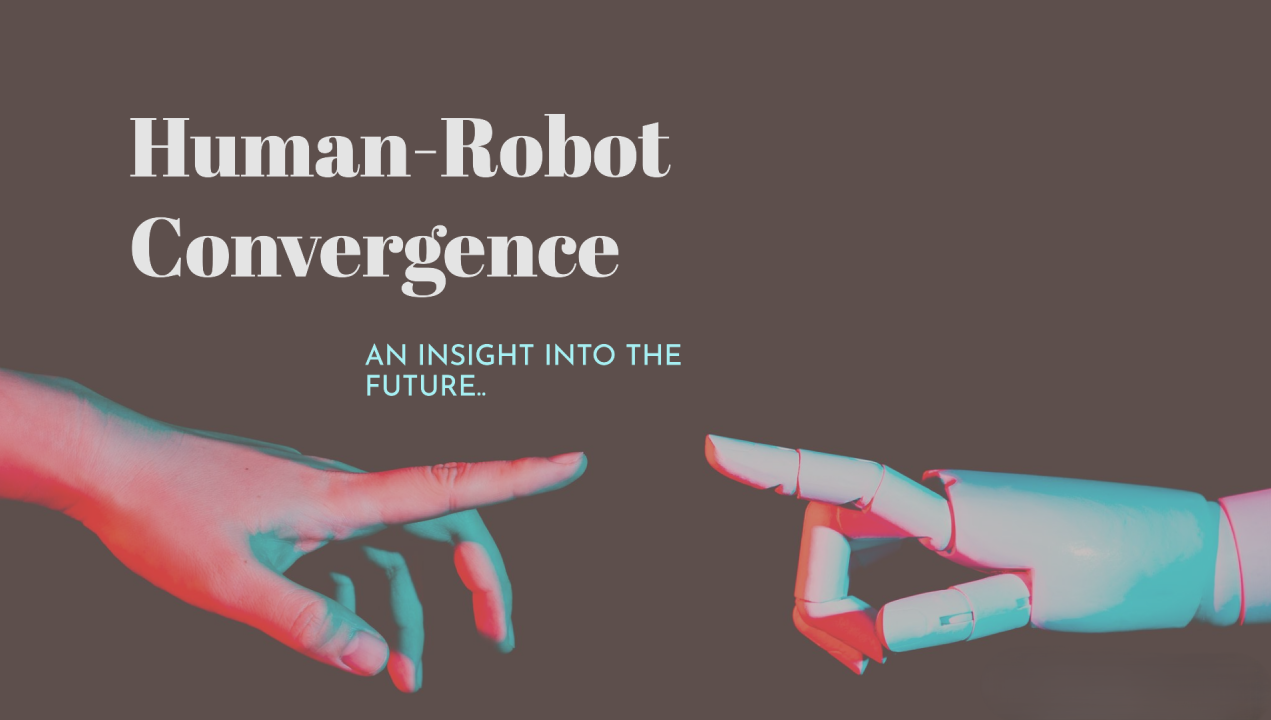
Cover Photo: Human–robot convergence.