



Exploring Korea: Island Paradise – The Timeless Beauty of Jeju Island
By Neha Bisht ||
Nestled off the southern coast of South Korea, Jeju Island is a breathtaking destination where volcanic landscapes, emerald-green tea fields, dramatic coastlines, and a rich cultural heritage come together to create an unforgettable travel experience. Known as the “Hawaii of South Korea,” Jeju attracts millions of visitors every year with its stunning natural beauty and unique attractions. Whether you are looking for adventure, relaxation, or cultural exploration, Jeju has something to offer every traveler.
Getting to Jeju from Gwangju
Traveling from Gwangju to Jeju is quick and convenient. The easiest option is to take a direct flight from Gwangju Airport (KWJ) to Jeju International Airport (CJU), which takes approximately 50 minutes. Several domestic airlines operate daily flights, making Jeju an ideal destination for both weekend getaways and longer vacations. Travelers can also choose the scenic sea route by taking a ferry from the mainland, although it requires considerably more travel time.
I visited Jeju Island to attend an international conference. My colleagues and I took a direct flight from Gwangju, and upon arriving at Jeju International Airport, we rented a taxi to reach our hotel. The journey from the airport offered a glimpse of Jeju’s beautiful coastal roads and volcanic landscape, making a wonderful first impression of the island.
Where to Stay
Jeju offers accommodation options for every budget and travel style. Jeju City is an excellent choice for visitors who prefer convenient access to shopping districts, restaurants, and the airport. Seogwipo, located on the southern coast, is known for its waterfalls, scenic coastline, and peaceful atmosphere. Travelers seeking luxury can stay in the Jungmun Tourist Complex, which features several premium hotels and resorts close to many of Jeju’s major attractions.
During my visit, we stayed at Booyoung Jeju Hotel and Resort, a five-star establishment located near the Jungmun Tourist Complex. The resort offered excellent hospitality and modern facilities. Our spacious accommodation included a living room, bedroom, kitchen, and two bathrooms, making it an ideal place to relax after a full day of sightseeing.
Must-Visit Attractions
Jeju Island offers a remarkable blend of natural wonders, cultural heritage, and modern attractions. Nature lovers can explore Halla Mountain National Park, home to South Korea’s highest mountain, along with iconic landmarks such as Seongsan Ilchul-bong (Sunrise Peak), the Geomun-oreum Lava Tube System, Manjang-gul Cave, Cheonjiyeon Waterfall, Jeongbang Waterfall, Daepo Jusang-jeolli Cliffs, Yakcheon Temple, Woljeong Beach, Camellia Hill, Jeju Stone Park, and the beautiful Seogwipo Healing Forest.
For visitors interested in cultural and family-friendly attractions, Jeju offers the Alive Museum, Teddy Bear Museum, Movie Land Wax Museum, Haenyeo Museum, Jeju Shinhwa World Theme Park, Snoopy Garden, 9.81 Park, Spirited Garden, Seongeup Folk Village, and the famous Osulloc Tea Museum. Visitors can also explore Dongmun Traditional Market, where they can enjoy fresh seafood, Jeju Black Pork, Hallabong oranges, local snacks, and handmade souvenirs.
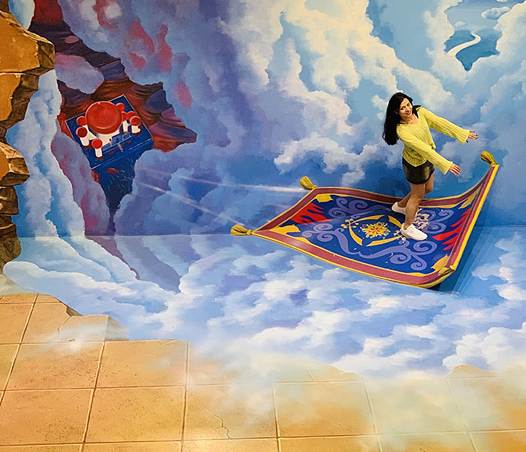
A 3D art picture at Alive Museum.
Due to our limited time on the island, we were unable to visit all of these attractions. However, we had the opportunity to explore some of Jeju’s most popular destinations, which I have described in detail in the following sections based on my personal experience.
“Every corner of the museum offered a unique photography opportunity, making it impossible to stop taking pictures.”
Alive Museum (Illusion Theme Park)
Located in the Jungmun Tourist Complex, the Alive Museum is one of Jeju’s most entertaining indoor attractions. The museum features hundreds of optical illusion paintings, interactive exhibits, and three-dimensional artworks that create unforgettable photo opportunities.
From balancing on skyscrapers to escaping dinosaurs or surfing giant waves, every exhibit encourages visitors to become part of the artwork. During my visit, I was amazed by the realistic 3D effects. Every corner of the museum offered a unique photography opportunity, making it impossible to stop taking pictures. If you enjoy creative photography or social media content, Alive Museum is definitely a place you should not miss.
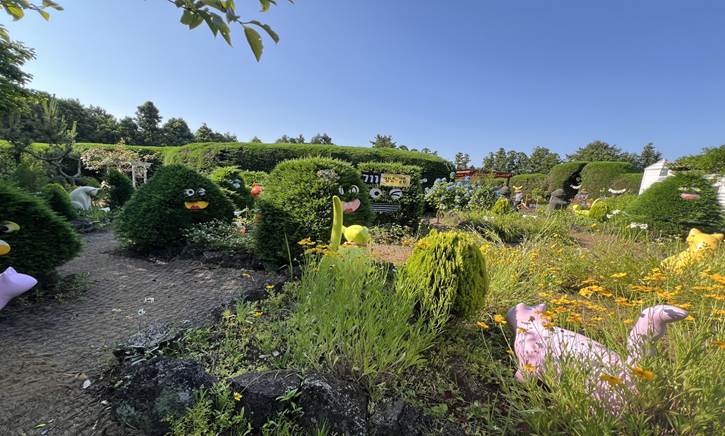
The beautiful entrance of the Gimnyeong Maze Park.
Gimnyeong Maze Park
For a unique outdoor adventure, Gimnyeong Maze Park is a must-visit destination. As South Korea’s first hedge maze, it features tall cypress trees forming winding pathways that challenge visitors to find their way to the exit. Observation towers provide panoramic views of the maze, while beautifully landscaped gardens create a peaceful environment for relaxation.
One of the most memorable parts of my visit was the lovely garden at the entrance, where many friendly cats freely roamed. Visitors receive complimentary cat food with their entrance ticket, along with simple instructions on how to approach and interact with the cats. Watching them wander through the maze made the experience even more enjoyable. The park is a perfect stop while exploring eastern Jeju and offers a delightful combination of nature and fun.
Seongsan Ilchul-bong (Sunrise Peak)
No trip to Jeju is complete without visiting Seongsan Ilchul-bong, also known as Sunrise Peak. This UNESCO World Natural Heritage Site was formed by a volcanic eruption approximately 5,000 years ago and rises 182 meters above sea level, offering spectacular panoramic views of Jeju’s eastern coastline.
The hike to the summit takes around 30 minutes and rewards visitors with breathtaking scenery, especially during sunrise. At the base of the peak, visitors can watch demonstrations by Jeju’s famous haenyeo (female free divers), whose traditional diving culture has been recognized by UNESCO as an Intangible Cultural Heritage.
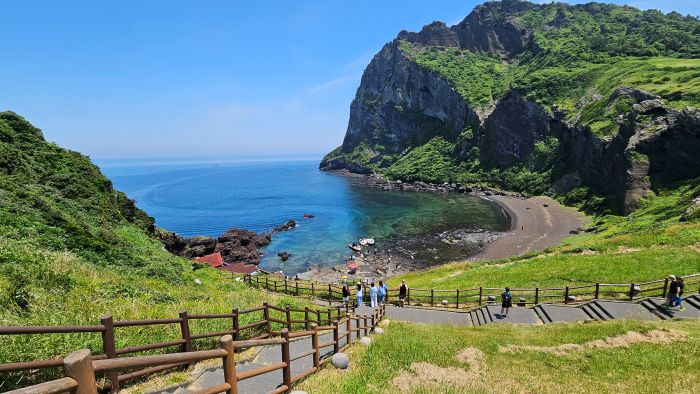
During my visit, I was captivated by the crystal-clear blue water surrounding the coastline. Ferry rides are available nearby, and visitors can also enjoy the shallow coastal waters. Although the intense summer heat prevented us from staying longer, the breathtaking scenery left a lasting impression. With its clear waters, dramatic volcanic cliffs, and spectacular coastal views, Seongsan Ilchul-bong is undoubtedly one of Jeju Island’s most unforgettable destinations and a paradise for photography enthusiasts.
Movieland Wax Museum
The Jeju Movieland Wax Museum offers visitors an opportunity to meet remarkably lifelike wax figures of famous personalities from history, politics, sports, entertainment, and cinema. The realistic sculptures and themed galleries provide excellent opportunities for memorable photographs, making it a popular destination for families and tourists alike.
The Scenic Sea Trail Near ICC Jeju
Located near the International Convention Center (ICC) Jeju, the scenic coastal trail is one of Jeju’s hidden gems. Wooden pathways stretch along the volcanic coastline, offering magnificent views of the deep blue sea, black basalt cliffs, and lush greenery.
The peaceful atmosphere makes it an ideal place for a morning walk or an evening stroll while enjoying the refreshing sea breeze. Observation decks along the trail provide excellent viewpoints for photography, particularly during sunset.
During our walk, we came across several souvenir shops selling locally made handicrafts and Jeju specialties. To cool off from the summer heat, I enjoyed a glass of freshly squeezed Jeju tangerine juice, which was incredibly refreshing. I also bought a traditional Jeju orange hat as a souvenir to remember the trip. Small moments like these made the experience even more enjoyable.
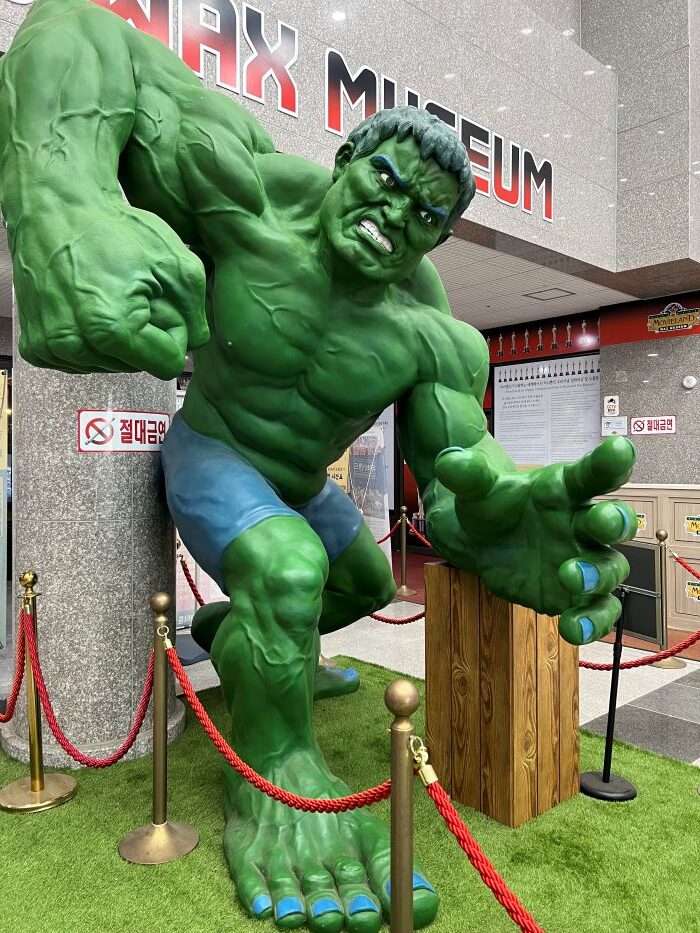
A wax statue of Marvel Studio’s famous character The Hulk at the Wax Museum.
Experience Jeju’s Local Flavors
Jeju’s cuisine is as memorable as its landscapes. The island is famous for its tender Jeju black pork, freshly caught seafood, abalone porridge, grilled fish, and sea urchin dishes. Sweet Hallabong oranges are another local specialty and can be enjoyed fresh or in juices, chocolates, cakes, and desserts. Tea lovers should not miss sampling premium green tea and matcha desserts at the Osulloc Tea Museum, one of Jeju’s most iconic attractions.
Best Time to Visit
Jeju is a year-round destination, but spring (March–May) and autumn (September–November) are considered the best seasons to visit. Spring brings beautiful cherry blossoms and vibrant canola flower fields, while autumn offers pleasant weather, clear skies, and ideal conditions for sightseeing and hiking. Summer is perfect for enjoying beaches and water sports, whereas winter transforms Halla Mountain into a spectacular snowy landscape.
Final Thoughts
From the interactive exhibits of the Alive Museum and the adventurous pathways of Gimnyeong Maze Park to the volcanic beauty of Seongsan Ilchul-bong, the fascinating Jeju Wax Museum, and the scenic coastal trail near ICC Jeju, Jeju Island offers a perfect blend of nature, culture, and adventure.
Although my visit to Jeju was primarily for attending an international conference, it gave me the opportunity to explore some of the island’s most iconic attractions and experience its unique charm. Every destination I visited offered something different – from breathtaking coastal landscapes and fascinating museums to peaceful walking trails and warm local hospitality.
Just a short flight from Gwangju, Jeju provides the perfect escape for travelers seeking spectacular scenery, memorable experiences, and a refreshing break from city life. Whether you are visiting for leisure, a family vacation, or even a business trip, Jeju Island promises unforgettable memories and leaves every traveler looking forward to returning.
Travel Tip: While public buses connect many popular attractions, renting a car is highly recommended because Jeju’s sightseeing destinations are spread across different parts of the island. A rental car offers greater flexibility and allows visitors to explore the island comfortably at their own pace.
The Author
Neha Bisht is a native of India, pursuing her PhD research at Chonnam National University’s School of Materials Science and Engineering. She loves to meet new people and make new friends. Neha endeavors to contribute to the well-being of society in whatever way she can. Follow @philla_korea
Photographs courtesy of the author.
Cover Photo: Jeju’s iconic UNESCO World Heritage Site (Seongsan Ilchul-bong).