

Walking Through Cherry Blossom Season
By Reeti Roy ||
Cherry blossom season does not arrive with a shout. It accumulates. One tree blooms, then another, then a street begins to look briefly rearranged, as if the city has been edited rather than transformed. In early April 2024, Seoul entered that interval when people slow just enough to look up.
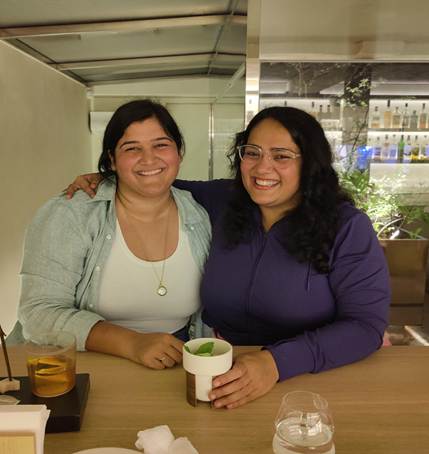
I was there with my sister.
We arrived without ceremony. No itinerary dense with intention, no checklist of cultural consumption. She flew in from Seattle. I came from Bombay. We had both escaped the city that raised us and learned to live elsewhere, in places that demanded different kinds of alertness. Seoul became a third space, neutral and unburdened, where we were not performing our usual roles. We were simply together, walking.
Cherry blossoms were everywhere, but not in the way photographs promise. They did not insist on wonder. They hovered above pedestrian crossings, convenience stores, narrow lanes. They softened the edges of the city without interrupting it. In Korea, the beotkkot marks transition, not climax. It arrives after endurance and before certainty.
There is history folded into these petals, whether or not one pauses to name it. During the colonial period, cherry blossoms were burdened with imperial symbolism. In the decades since, Korea has reclaimed the season, especially through the recognition of the King Cherry, native to Jeju Island, its blooms larger, less obedient, flourishing in volcanic soil. The botanical correction matters. It reminds you that what is assumed to be imported may, in fact, be native. That reclamation does not always announce itself loudly.
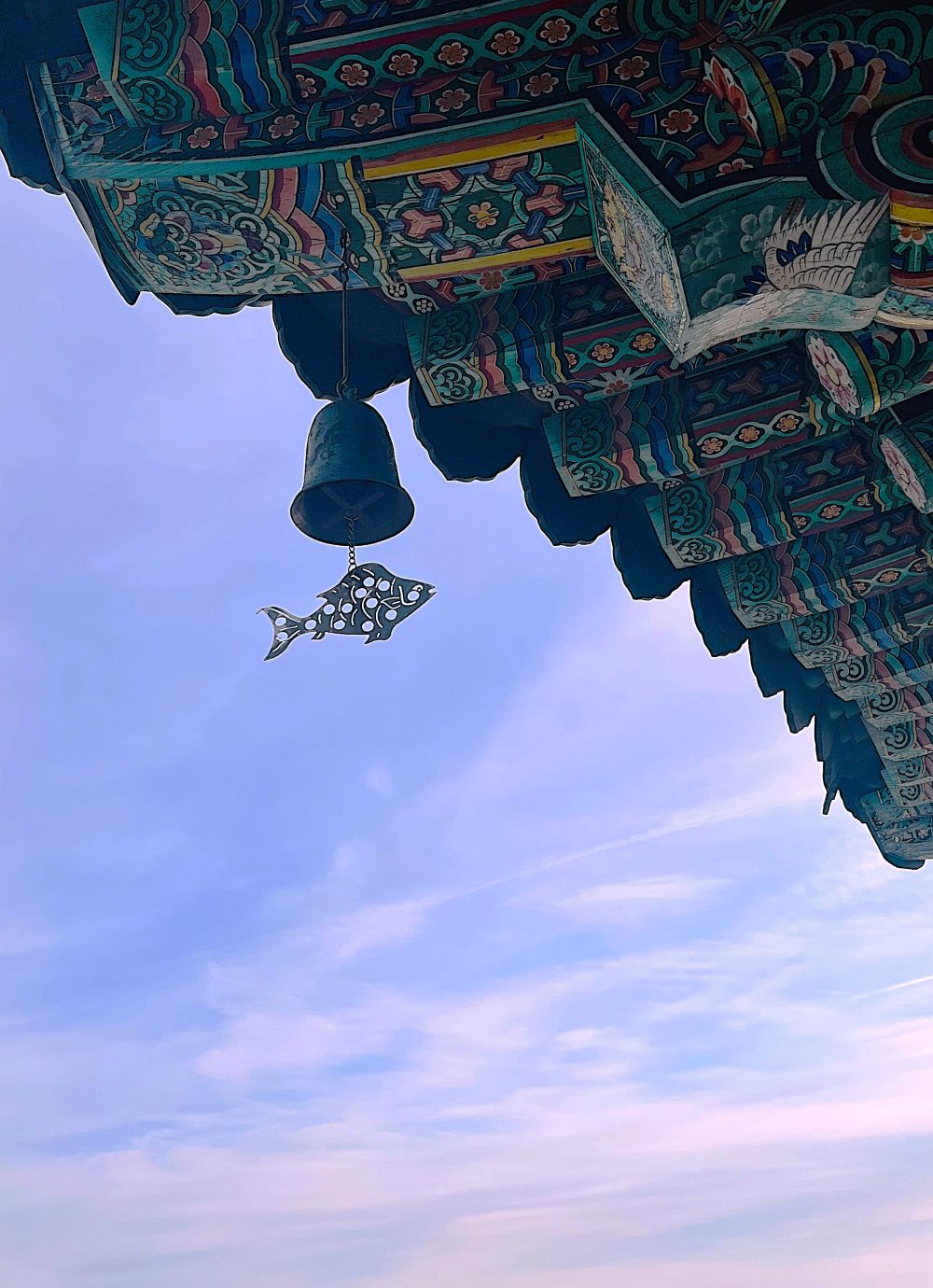
As someone trained to read cities as texts, I noticed how Seoul allows history to coexist without spectacle. Traditional hanok roofs framed blossoms without nostalgia. Modern buildings reflected them briefly and moved on. There was no insistence that the season be monumental.
We ate samgyeopsal at a small place where the tables were close and the air was thick with smoke. Our jackets absorbed the smell of pork and charcoal. We drank beer without calling it an experience. Later, we ate fried chicken and drank more beer, because chimaekis less a trend than a social grammar. You sit. You eat. You stay.
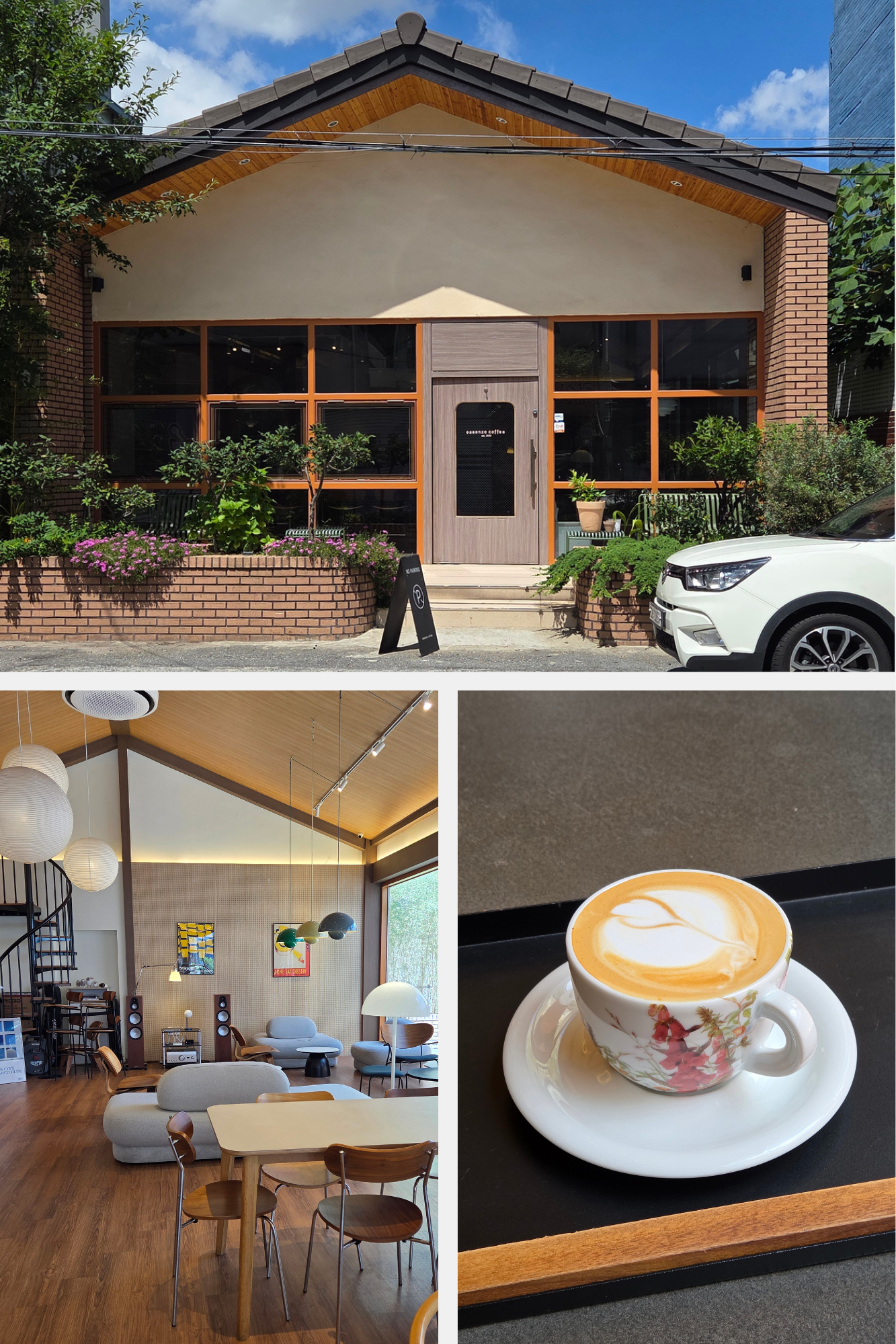
We wandered through dark alleyways that felt intimate rather than dangerous. There were potted plants by doorways, handwritten signs, laundry hung just high enough to avoid conversation. We ducked into cafés where the baristas asked where we were from and folded us into the ordinary rhythm of the place. Nothing about our presence demanded translation.
Travel often exposes how much labor women perform without noticing it. Indian women, especially, are trained to carry invisible responsibilities. We learn to anticipate. To absorb. To make ourselves useful without making ourselves visible. In the cities we grew up in, our time belonged to family schedules, social expectations, inherited reputations. Even independence came with conditions.
In Seoul, something loosened. Not dramatically. Not in a way that would make a manifesto. Just enough to notice the absence of constant calibration. No one was monitoring our choices. No one required explanation. We walked without narrating ourselves.
I watched my sister closely in those days. The way she photographed shadows instead of landmarks. How she paused before crossing streets, even when traffic was sparse. These were not habits of fear but of attunement. We were no longer managing old hierarchies or rehearsing familiar disagreements. We were negotiating only the present. Are you hungry? Shall we walk more? Do you want to sit?
Cherry blossoms last but a short while. This is their most repeated lesson and also their most overstated one. What interested me more was their timing. They bloom after winter but before certainty. Before summer hardens into confidence. They exist in a state of provisional beauty.
My sister and I have learned to build lives far from where we began. Seattle and Bombay are demanding cities in opposite ways. One is shaped by restraint, the other by excess. Both require stamina. Leaving home does not mean escaping obligation entirely. It means choosing which ones you will carry.
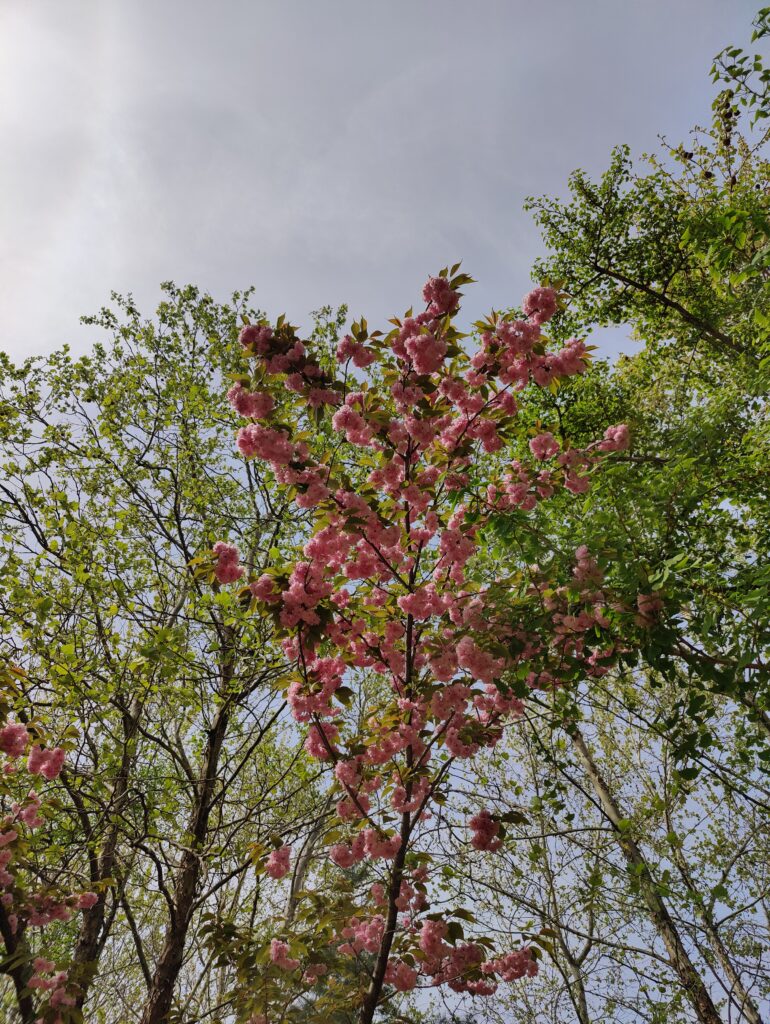
“Cherry blossoms last but a short while.”
As petals began to fall, they gathered along curbs and drains. The city looked briefly dusted, as if it had shrugged something pale from its shoulders. No one stopped to document it. People stepped around the accumulation and continued on.
We did not speak in conclusions. We spoke about food, books, fragments of memory. Sisterhood does not always require excavation. Sometimes it reveals itself in how little effort it takes to remain present.
When cherry blossom season ends, the trees do not mourn themselves. They return to being trees. The city sharpens again. What remains is not the image but the memory of having moved through a moment that asked nothing and offered clarity.
Seoul gave us that. A season that did not demand reverence. A canopy that held without weight. We walked through it not as spectators but as women briefly relieved of the need to endure.
And then, as seasons do, it passed.
The Author
Reeti Roy is a writer and cultural commentator who explores the intersections of city life, gender, and culture. On weekends, she works as a tour guide, leading walks that reveal the hidden rhythms and histories of cities. Based between Seoul and India, she spends her time observing cities, their people, and translating those experiences into essays that reflect both intimacy and insight. Instagram: @reereeinkorea
Photographs by the author.
Cover Photo: Reeti (right) with her sister and tea.