
Breaking the Silence: The Birth of Yeolmae
By Jay Lee ||
Forty-five years after the Gwangju Uprising, survivors of sexual violence perpetrated by martial law forces have reclaimed their names and stepped into the limelight in their long fight for justice as survivors of state sexual violence.
Forty-Five Years of Nameless Pain
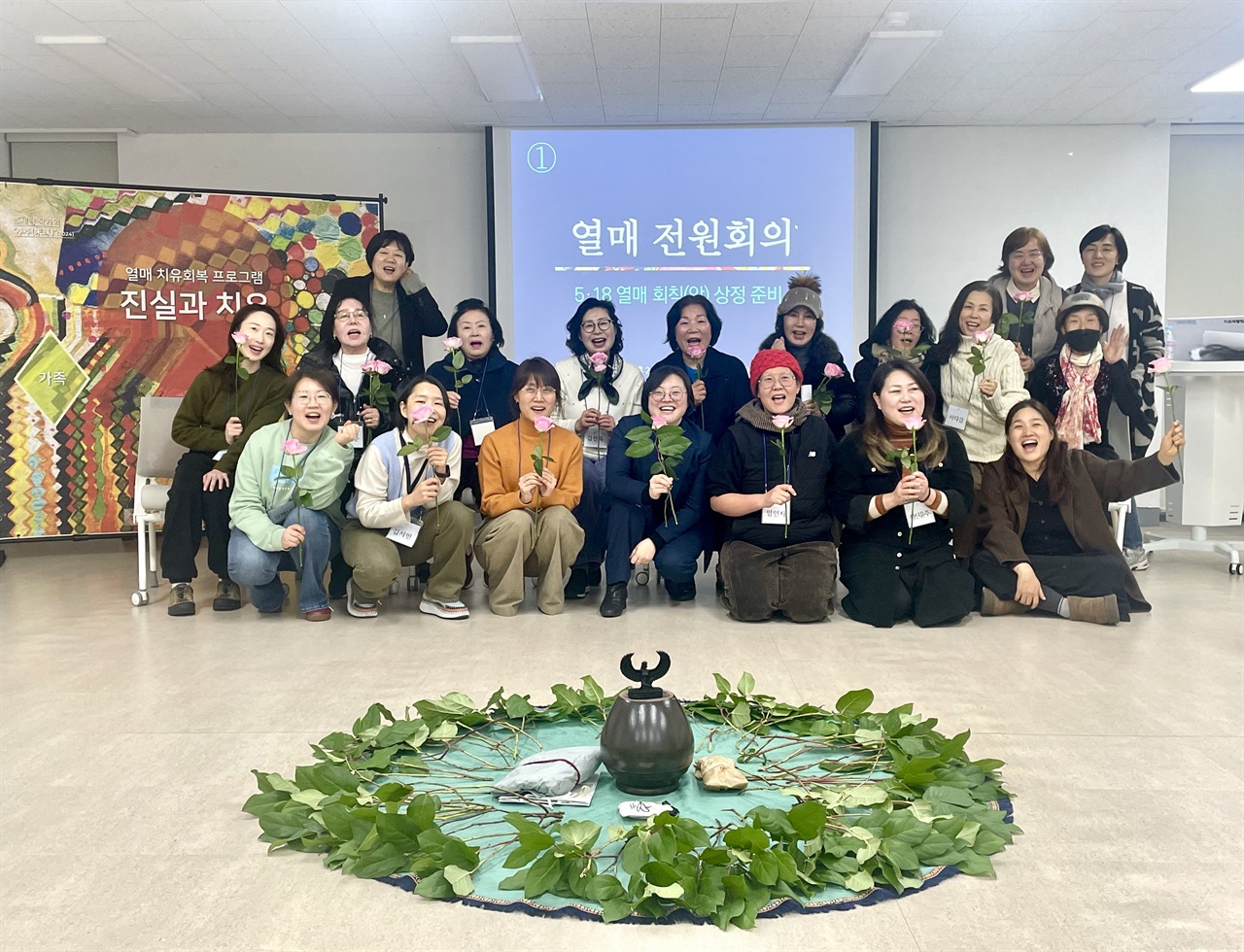
On February 26, 2026, a quiet but historic announcement emerged from Gwangju, South Korea. Survivors of sexual violence committed by martial law forces during the May 18 Democratic Uprising of 1980 formally established themselves as a nonprofit civic organization. They chose the name “Yeolmae” – a Korean word meaning “fruit,” symbolizing the bearing of fruit after a long season of growth.
For 45 years, the pain they carried had no public name. In May 1980, as Gwangju burned with the desire for democracy, unspeakable human rights violations were committed in dark interrogation rooms and military-occupied zones.
Lee Jeong-sun (pseudonym), then 23 years old, was apprehended on Geumnam-ro on her way home from work and subjected to sexual violence and sexual torture in the basement facilities of Sangmu and the Defense Security Command. Kim Min-sook (pseudonym), three months pregnant at the time, was forced to undress and was sexually assaulted by martial law soldiers. They were neither protest leaders nor armed combatants. They were ordinary women living ordinary lives – and yet the machinery of state violence found them at their most vulnerable and shattered their inner world.
Forced Silence, and the Hope Ignited by #MeToo
For 45 years, these survivors had no choice but to remain silent. A patriarchal social culture that treated sexual violence as the victim’s “shame,” combined with the terror of the perpetrators being the state itself, erected an enormous wall of suppression. They hid as if they were the ones who had committed a crime, unable to speak even to their own families.
The turning point came in 2018. The #MeToo Movement that swept the nation sent these survivors a message they had never before received: “It was not your fault.” That same year, Kim Seon-ok, who had participated in the May 18 Uprising, made the first courageous public testimony, triggering a joint investigation by the National Human Rights Commission of Korea and the Ministry of National Defense. By February 2026, what had begun as a quiet support group had grown into a formal organization ready to face the world under the name “Yeolmae.”
The Second Wound: Secondary Harm from Family and Society
Many survivors confess that life after the violence was more agonizing than the violence itself. The cold glances that questioned whether they had “maintained their chastity” and the rejection of their own families drove them into profound social isolation. In the 1980s and 1990s, with no support systems in place, they bore the weight of trauma-induced depression and physical illness entirely alone.
Even as South Korean society celebrated the heroism of the May 18 Uprising, the wounds of these women were treated as “shameful records” that had to be concealed. Their suffering was erased from the very history their suffering helped create.
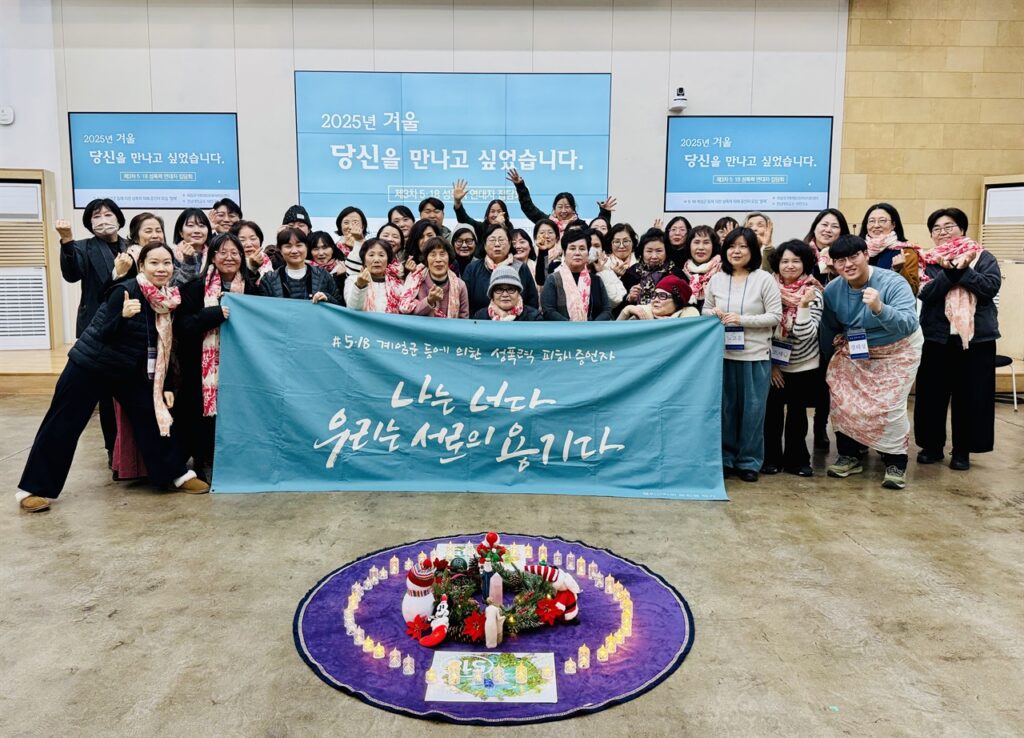
The 3rd roundtable on December 12, 2025, marked a pivotal turning point for Yeolmae, transforming it from an informal group into a formal organization dedicated to the “truth and healing of historical gender violence.” (Yeolmae)
Sexual Violence as an Instrument of State Power
That a state, rather than protecting its citizens, deployed sexual violence as a tool of torture is among the most brutal crimes imaginable – a fundamental desecration of human dignity. Sexual violence is not merely personal harm; it is a form of social murder that dismantles the self and severs the individual from their community.
The founding of Yeolmae is therefore not simply the establishment of a survivors’ group. It is the birth of human rights itself – a formal process of documenting state-perpetrated gender violence, demanding official apology and reparation, and putting in place the mechanisms needed to correct a distorted past and prevent its recurrence.
A Message of Solidarity
Korea’s modern history is shadowed by repeated episodes of sexual violence wielded as an instrument of power: The “comfort women” system under Japanese imperial rule, the mass sexual violence that occurred during and after the Yeosu-Suncheon Incident, the Jeju April 3rd Massacre, the Korean War, and the military dictatorship era. Countless survivors of these events remain trapped in enforced silence. Yeolmae’s emergence stands as a beacon of courage for them all.
The significance is equally powerful on the international scale. In countries across Asia – such as Myanmar and Afghanistan – where sexual violence by state and military actors continues amid democratic struggles and armed conflict, Gwangju’s Yeolmae stands as a symbol of solidarity and resistance. Survivors who refuse to remain passive victims, choosing instead to become agents of change, offer one of the most powerful models of healing the world has ever seen.
From Gwangju to the World: The Future Yeolmae Will Build
The Yeolmae movement, rooted in Gwangju and the legacy of May 18, must continue to grow. The organization plans to lead public testimonies on gender-based violence, documentation projects, and efforts to uncover the full truth of “past-era gender violence” – a framework expansive enough to include male survivors and LGBTQ+ victims as well.
The Gwangju community must now stop referring to these individuals solely as “victims” and begin honoring them as human rights activists – people who have transformed the most painful wounds of our era into an energy of healing.
The Author
Jay Lee, director of ALRC Korea, is a Gwangju Uprising survivor and co-author of the UNESCO-listed Gwangju Diary. For 46 years, he has documented the truth as a researcher and activist to advance democratic values.
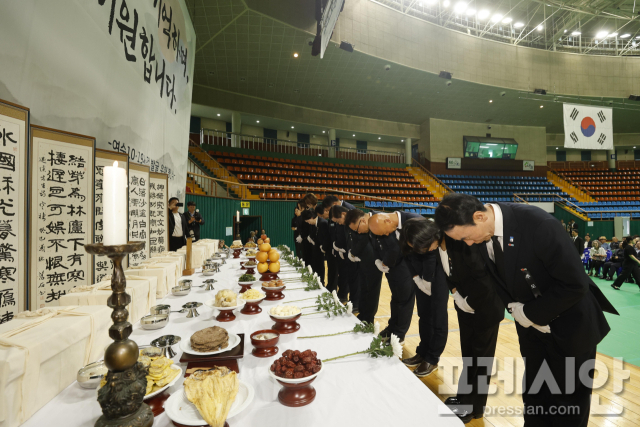
Cover Photo: Attorney Ha Ju-hee (legal counsel) and artist Kim Shin-yoon-ju join Yeolmae members and activists at the February 10 plenary meeting to support the organization’s official launch. (Yeolmae)