Art on the Mountain

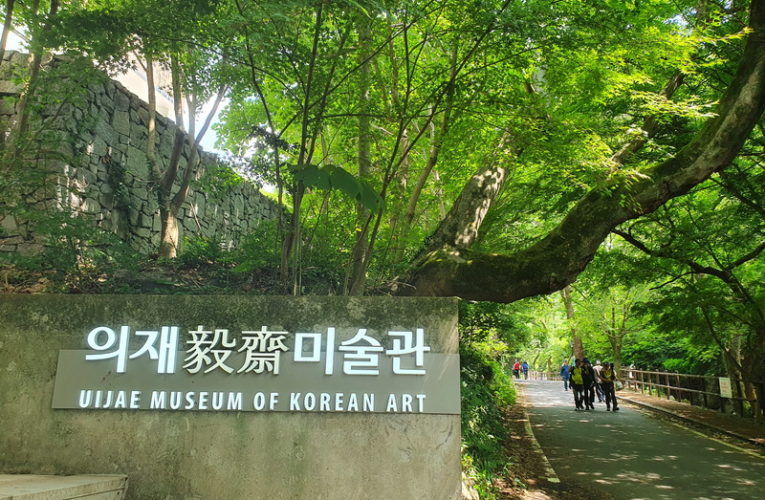
Opened to the public since 2001, the Uijae Museum of Korean Art was established by the Uijae Foundation and Gwangju City Council, with the hope that it would become a place where his works could be celebrated and brought back to life.

The Story of Chunhyang: Through the Melodious Medium of Pansori  

Pansori is probably one of the most well-known “traditional” Korean art forms outside of Korea, commonly referred to as “Korean opera.” Traditionally, the singer would recount a tale from the twelve-work repertoire (madang), such as The Song of Chunhyang.

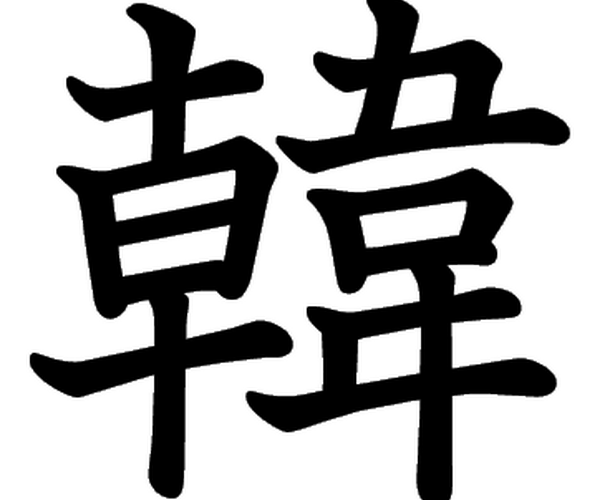
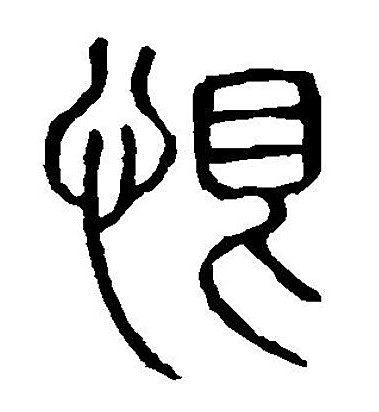
The Han in “Hanguk” : The Naming of South Korea

This month’s article discusses the “han” in the Korean name of South Korea: Hanguk. Is “han” a Chinese loanword? Is it unique to Korean? Why was it selected for the name of South Korea? Why do Koreans put so much meaning into this han? Answers to these questions can be found in the following article.

The Essence of Han (한): That Indescribable Emotion

“It’s understandable that Koreans believe themselves particularly cursed.”

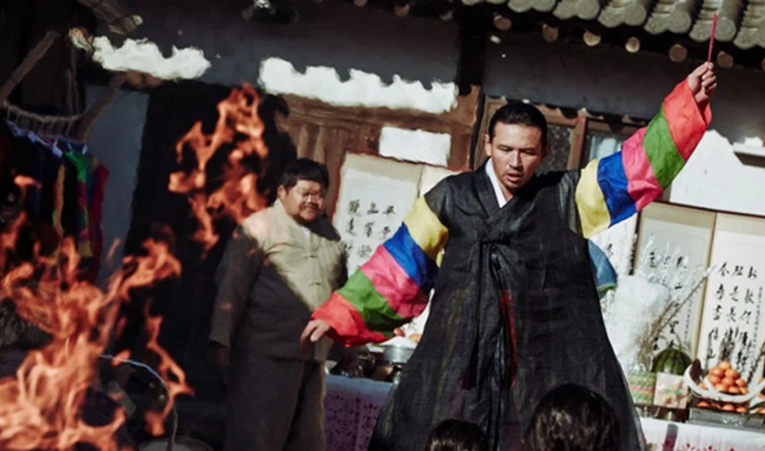
Shamans in Korean Supernatural Thrillers

A shaman is someone able to transcend the barrier between the two worlds.

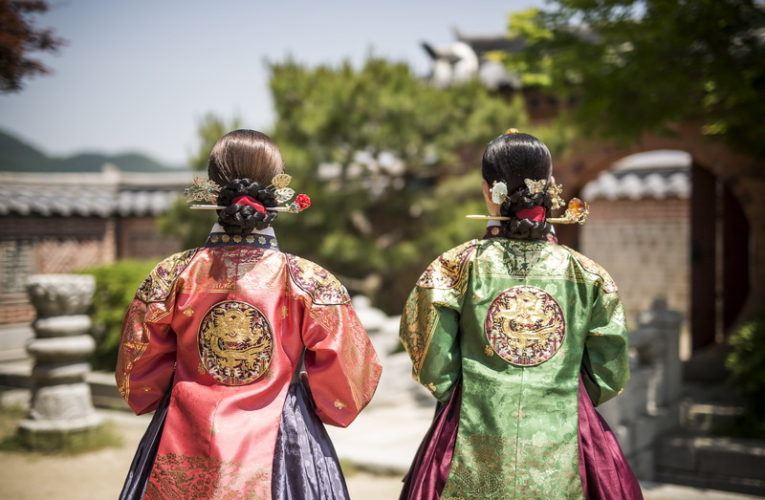
The Confucianization of Women’s Hairstyles in Joseon Korea

Just as there were a variety of hairstyles and headwear available for men, there were many available for women, too.

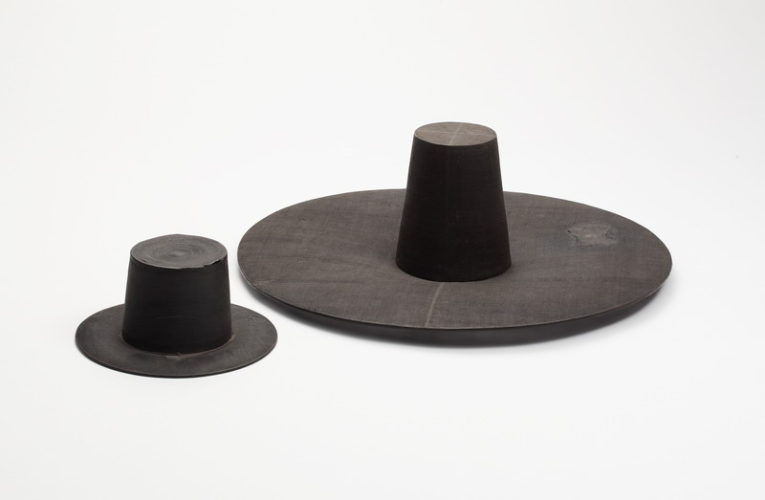
The Land of Hats

Why hats? Today, hats are primarily seen as a fashion accessory, but hair has always held a great deal of symbolic significance in societies. Joseon Korea (1392–1897) was no exception: Hairstyles and the various accessories used to maintain and decorate them during the Joseon Dynasty were imbued with sociocultural meaning.

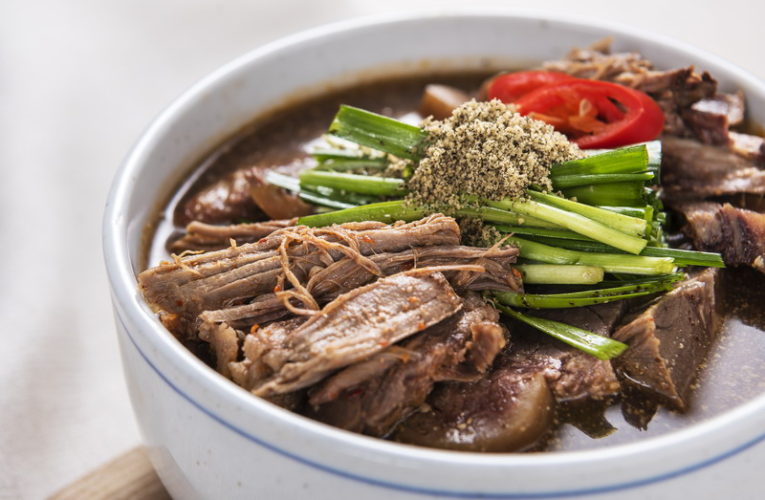
Hot Dog! It’s Summertime in Korea

“Every dog has its day.”