

Cooperating Sister Cities: Gwangju and Changzhi
By Li Aoding ||
Located in Shanxi Province in northeastern China, Changzhi is a city known for its long history, rich cultural heritage, and distinctive regional traditions. Meanwhile, Gwangju, in South Korea is widely recognized as a center of culture arts and civic spirit. Although the two cities are somewhat distant from each other geographically, they share a steadily strengthening connection, built on mutual respect, cultural affinity, and institutional cooperation.
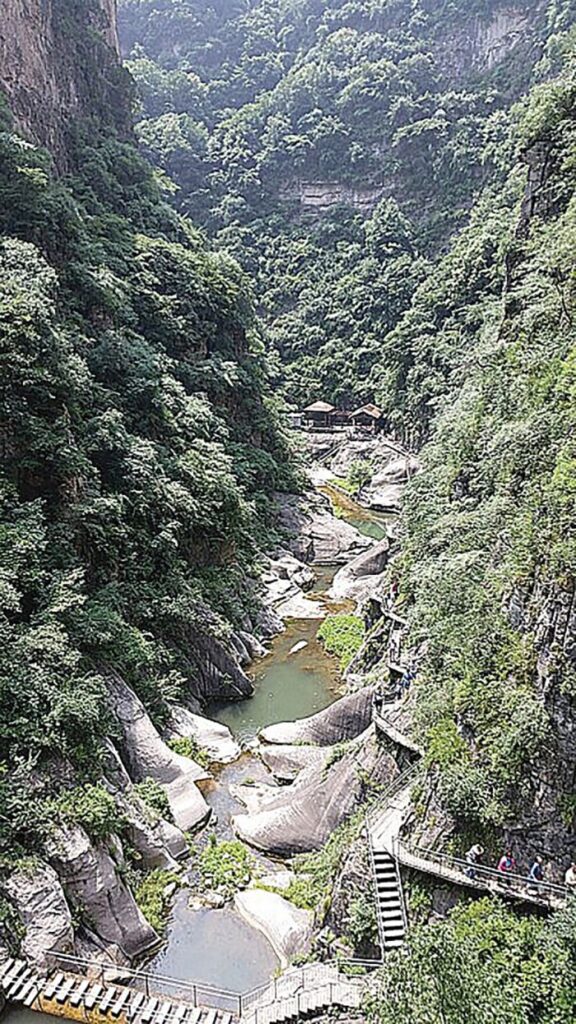
Taihang Grand Canyon, just east of the city. (Antigng, [1])
Inter-City Exchange
Changzhi and Gwangju have gradually developed a stable and multi-layered relationship since establishing friendly relations in 2012 and formalizing their sister-city partnership in 2014. Over the past decade-plus, exchanges across culture, economy, healthcare, education, and tourism have transformed symbolic friendship into practical collaboration. Through continuous interaction both cities have built trust, expanded cooperation, and created new opportunities for shared development.
In April of 2014, Gwangju Mayor Yoon Jang-hyun and his delegation visited Changzhi to facilitate cooperation in the tourism sector. The two cities signed a tourism exchange agreement to promote tourism through medical tourism and the exchange of other tourism-related resources and to encourage relevant companies and institutions to participate in tourism-related exhibitions.
Cultural exchange has also become one of the most visible and meaningful aspects of this partnership. In September 2024, a cultural delegation from Changzhi visited Gwangju to participate in the tenth China Culture Week, an important event that brings together artists, officials, students, and citizens. This program featured traditional opera, acrobatics, dance, and Shangdang Luozi, a unique storytelling performance rooted in local heritage. These performances allowed audiences in Gwangju to experience the vitality of Chinese intangible cultural heritage, while also offering a vivid introduction to the cultural identity of Changzhi.
Beyond stage performances, a variety of interactive activities including exhibitions, competitions, and forums have created opportunities for direct communication. Such formats transform cultural exchange into lived experience allowing people to connect through shared interests and emotions.
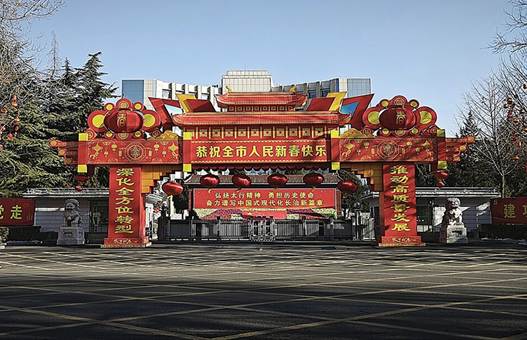
Changzhi government and party complex entrance. (1969社论, [1])
Introducing Changzhi
Changzhi is a city shaped by both history and landscape. The Shangdang region has long been considered a strategic and cultural crossroads in northern China. This city is characterized by dramatic natural scenery including cliffs, valleys, forests, and rivers. Among the most well-known scenic areas is Taihang Grand Canyon, which features steep cliffs, winding rivers, and lush vegetation, attracting visitors who enjoy hiking, photography, and outdoor exploration.
Changzhi also offers a rich culinary experience that reflects the broader traditions of northern China. Food here emphasizes wheat-based staples, bold flavors, and careful preparation techniques. Handmade noodles are a defining feature, especially knife-cut noodles, which are sliced from dough and directly immersed into boiling water, creating a unique texture, and are widely enjoyed and common in daily life. Local cuisine often incorporates vinegar, a hallmark of Shanxi cooking. In markets and small restaurants, visitors can experience authentic flavors that highlight freshness, simplicity, and craftsmanship.
Sharing meals plays an important social role, and for visitors from Korea, dining often becomes an easy and enjoyable way to engage with local culture and connect with people.
Complementary Relationship
Accessibility and connectivity also support the development of the sister-city relationship. Although there are no direct flights between Changzhi and Gwangju, convenient routes through major cities make travel relatively easy. More importantly, institutional frameworks such as government dialogue, cultural programs, business cooperation, and educational exchange ensure that interaction remains continuous and productive. Recent exchanges have highlighted a shared commitment to expanding cooperation in areas such as cultural industries, tourism development, and investment projects. Gwangju, with its strong focus on arts, creativity, and cultural policy, complements Changzhi, which offers abundant historical resources and emerging cultural potential. This complementary relationship creates opportunities for collaboration that can benefit both cities economically and culturally.
In a global context where cities increasingly seek partnerships to enhance competitiveness and cultural influence, the relationship between Changzhi and Gwangju demonstrates how sustained engagement can produce meaningful outcomes. It is no longer limited to ceremonial visits but has evolved into a platform for mutual learning, shared growth, and long-term cooperation in the future.
The Author
Li Aoding, originally from China, is a PhD student at Chonnam National University. She loves to live a vivid life and cares about lives. She has lived in South Korea for more than seven years, and she lives a happy life with four cats.