

From Gilgit-Baltistan to South Korea: A Nostalgic Sense of Home in Mountains and Seasons
By Arifa Batool ||
Moving to a new country brings both excitement and moments of reflection on home. Coming from the mountainous region of Gilgit-Baltistan in northern Pakistan, I was surprised to find a sense of familiarity in South Korea. The mountains and shifting seasons here often remind me of the landscapes I grew up with.
Finding Mountains Again in Gwangju
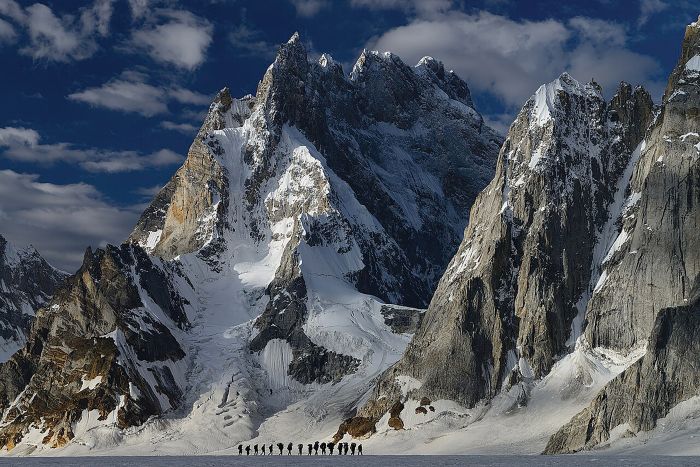
When I first arrived in Gwangju, the busy streets, tall buildings, and bright lights felt very different from home. Over time, I noticed Mudeung Mountain rising above the city, surrounded by smaller hills, trails, and quiet viewpoints. This landscape reminded me of Gilgit-Baltistan, where K2 stands among the many peaks and valleys.
K2, located in Gilgit-Baltistan at 8,611 meters (28,251 ft.), is the world’s second-highest mountain, situated on the China–Pakistan border in the Karakoram Range. Across Gilgit-Baltistan, many smaller mountains form part of everyday life, from village paths to grazing fields. In Gwangju, Mudeung-san feels softer and easier to reach, yet it plays a similar role for the city. Walking along its trails often reminds me of the smaller peaks near K2 and the mountains back home. Although the scenery is different, both places give me the same feeling of being surrounded by mountains that hold my memories.
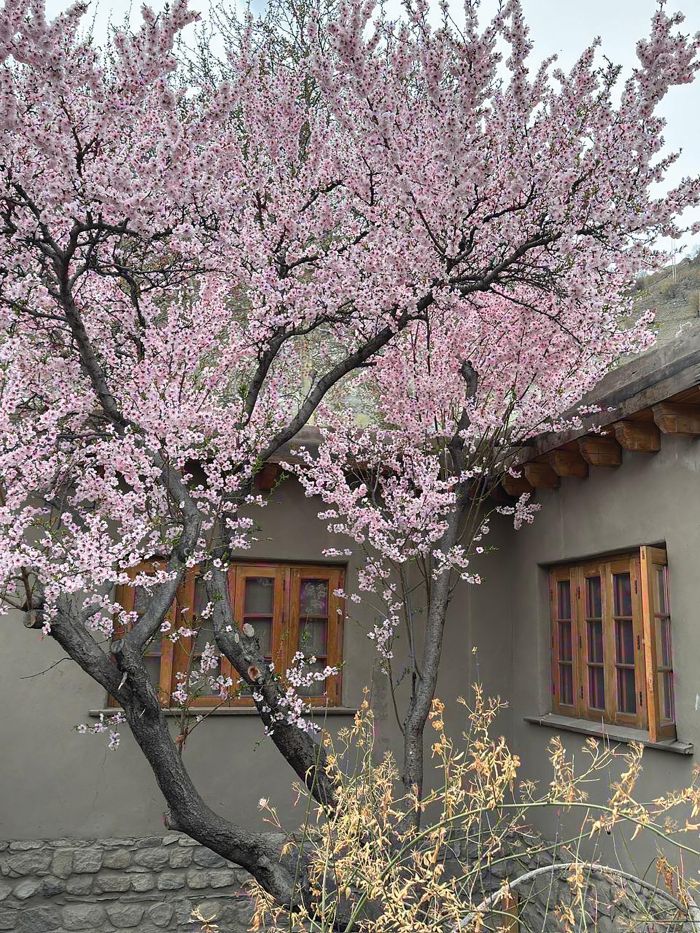
Apricot blossoms in Gilgit-Baltistan rival the cherry blossoms of Korea. (Pahardiii on Instagram)
Seasons in Two Countries
Living between Gilgit-Baltistan and Gwangju, I’ve discovered striking similarities in how the four seasons unfold, creating gentle bridges between my two homes.
Spring awakens both places with soft blossoms, mild temperatures around 10–20°C, and fresh hope in the air. In Gilgit-Baltistan, apricot and cherry trees burst into pink and white along valley paths, drawing families outdoors to celebrate renewal. In Gwangju, cherry blossoms also appear lining riversides and streets, where people gather for picnics under falling petals. The light jackets, sweet scents, and sense of nature stirring feel identical.
Summer brings long, bright days and more outdoor life with warm highs of 25–35°C in both regions. Gilgit-Baltistan’s green valleys buzz with children by water channels, families dry fruit on rooftops, and starry nights abound. Gwangju echoes this with lush parks buzzing with cicadas, friends sharing cold drinks after hill walks, and endless daylight for play. The joyful freedom and fresh produce connect the two summers seamlessly.
Autumn paints golden nostalgia with cooling temperatures of 10–25°C and crisp breezes. In my homeland, poplar trees glow yellow and orange as harvest ends, evoking time passing gently. Gwangju responds with intense maple leaves in red and gold, perfect for quiet strolls through campuses and parks. The falling foliage, soft light, and comfortable layers create the same bittersweet harmony.
Winter brings peaceful stillness and cozy togetherness, with cold snaps dipping to –10°C to 5°C in Gilgit-Baltistan and a milder –3°C to 3°C in Gwangju – both featuring snowfalls that hush the world. Heavy snow blankets peaks and villages back home, gathering families by fires for tea and stories. Gwangju offers lighter flurries, bare branches, and warm indoor gatherings with similar magic. In both, the chill fosters closeness, quiet beauty under fresh snow, and that comforting slowdown of life.
Living in Gwangju, I have learned that even far from Gilgit-Baltistan, small moments can feel like home. Though Gilgit-Baltistan and South Korea have differences, they share a quiet sense of belonging.
The Author
Arifa Batool is a researcher and writer based in Gwangju. An anthropologist by profession, she has published multiple research articles in her field. She has been living in Gwangju for a year, following several earlier visits. With a passion for exploring culture and community life, she enjoys documenting unique local experiences and uncovering hidden stories that connect history, art, and everyday life.
[1] https://creativecommons.org/licenses/by-sa/4.0
Cover Photo: Mountains of Gilgit-Baltistan. (Vasiq Eqbal, [1])