



Sister Cities Sendai and Gwangju: Trees, Light, and Cooperation
By Murdock O’Mooney ||
Gwangju and Sendai, Japan, became official sister cities on April 20, 2002. At the time, Sendai was Gwangju’s fifth sister city, and the only one in Japan. The partnership was forged around co-hosting the 2002 FIFA World Cup and sought to have the two metropolises strengthen cultural, educational, and civic exchanges to promote and execute the games.
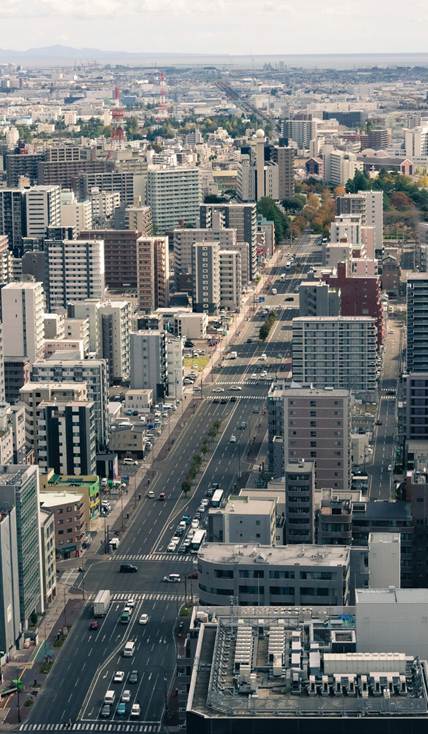
Arial view of Sendai. (Tuan P via Unsplash)
Sendai, the City
Sendai, for those unaware, is the capital of the Miyagi Prefecture and is the largest city in the Tohoku Region. It sits 370 kilometers northeast of Tokyo, or a 90-minute Shinkansen bullet train ride. Sendai is also home to Tohoku University, which is one of seven so-called “Imperial Universities” that were formed around 1886. It was also the first university in Japan to admit female students, beginning in 1913. Sendai has a population of almost 1.1 million, which is very close to Gwangju’s 1.2 million.
Today, Sendai has become known as a resilience hub after the devastating 2011 Tohoku earthquake and tsunami. In 2015, the city hosted a UN World Conference establishing the global Sendai Framework for Disaster Risk Reduction, sharing valuable lessons learned through the tragedy.
“The partnership was forged around co-hosting the 2002 FIFA World Cup.”
While Gwangju is the “City of Light,” Sendai is the “City of Trees,” as there are zelkova trees lining many streets, such as the famous Zozenji Street and Aoba Street. Every December, these streets host the Sendai Pageant of Starlight and are illuminated with hundreds of thousands of lights, making the pageant the perfect destination for couples and families.
Like many cities in Japan, Sendai is very old. It was founded in 1600 by Date Masamune (1567–1636), one of Japan’s most legendary samurai warlords. Masamune was known as the “One-Eyed Dragon” (Dokuganryū) after losing an eye to smallpox as a boy. He is still an iconic figure in Japan today, and with a look at his resume, it’s easy to see why. He led his first military campaign against the Somo Clan at fourteen. By seventeen, he had succeeded his father, Terumune, and become the leader of the Date Clan, which was both feared and respected.
Maybe most interesting, Masamune was fascinated by Western diplomacy and trade. This was in sharp contrast to his contemporaries, who sought to isolate Japan. In 1613, Masamune commissioned the Keicho Embassy and built an ocean-going galleon, sending a samurai named Hasekura Tsunenaga across the Pacific Ocean to Mexico and Europe. This diplomatic samurai met many leaders, including Pope Paul V in Rome. As such, Sendai could be considered an early Japanese pioneer in transpacific diplomacy.
Masamune also came up with several culinary specialties that Sendai is still famous for today, including Sendai miso (a rich, aged soybean paste) and zunda (a sweet, crushed green edamame paste), although grilled beef tongue, or gyutan, is Sendai’s defining culinary specialty. Masamune and his men also served with distinction in the Imjin Wars (1592–1598), in which Japan invaded Korea. Although Masamune avoided death on the battlefield, he died of cancer at the age of 68. But his spirit and reputation live on, even all these years later.
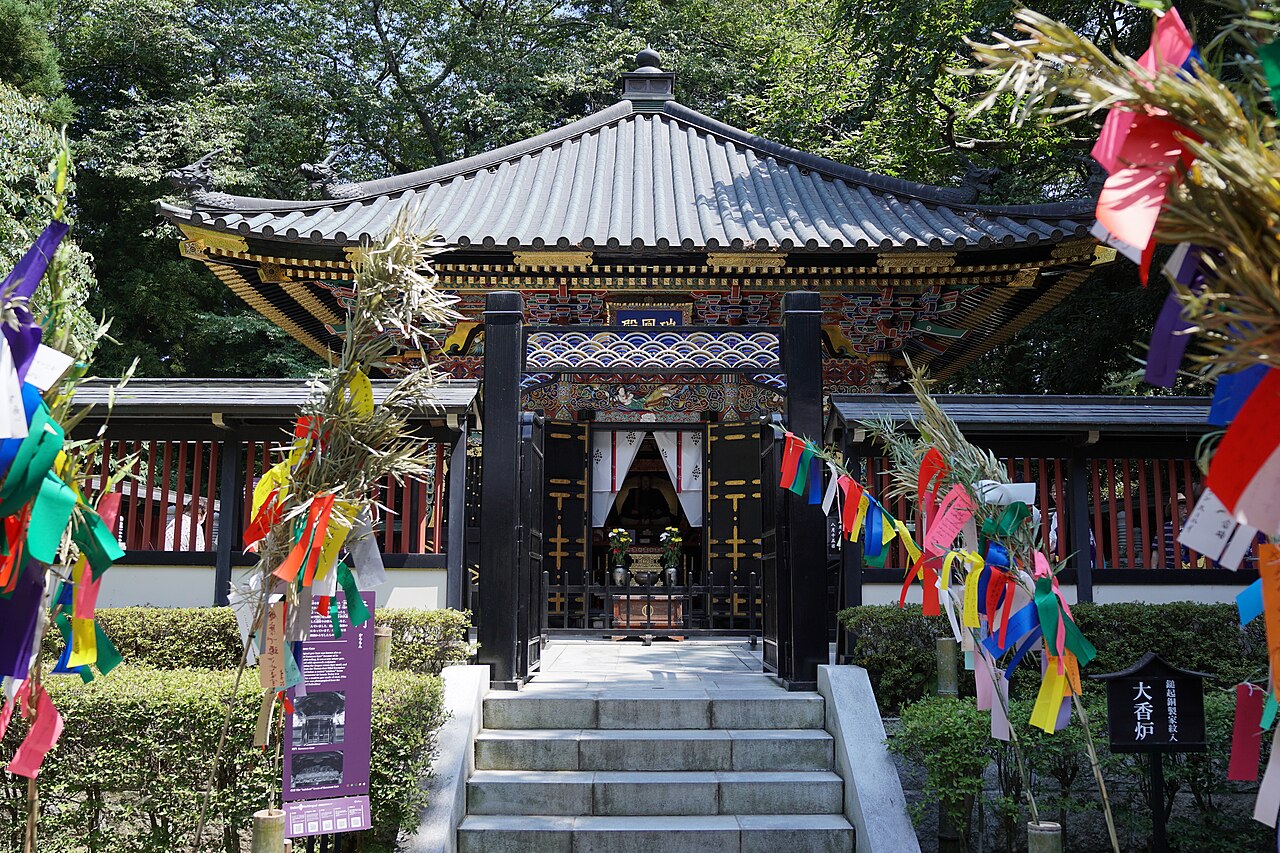
Top tourist attractions in Sendai include the Zuiho-den Mausoleum, which is Masamune’s ornate resting place. It’s beautiful and intricate and surrounded by tall cedar trees. In the Aoba Ward, visitors can see the mountaintop ruins of the Sendai Castle, where Masamune ruled his territory from. If you’re lucky, you might feel the famous Samurai’s spirit. Regardless, you can take in spectacular panoramic views of the city and snap a photo or two with the famous statue of Masamune on horseback.
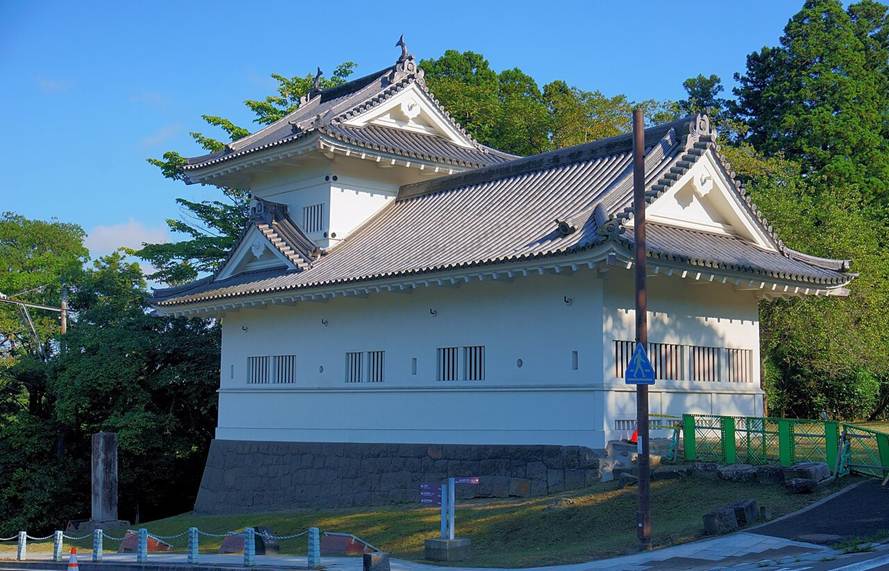
Reconstructed structure in the Sendai Castle complex. (掬茶, CC BY-SA 4.0a)
Sendai in winter is a special place as well. There are more than a dozen ski resorts within three hours of Sendai, many with direct buses from downtown. Zao Onsen Ski Area is 75 kilometers from Sendai and boasts the longest run in Japan at nine kilometers. The resort has over 40 lifts and the summit is world-famous for its massive grove of “snow monsters,” or juhyo, which are towering frost-covered trees formed by freezing Siberian winds. Sumikawa Snow Park is also a famous ski area that sits on the high-elevation side of the Zao Mountain range. It’s known for its light powder that stays pristine for many months.
The stunning Osaki Hachimangu Shrine is also worth a visit. It’s an elaborate and ornate Shinto shrine that is designated as a national treasure and known for its black and gold patterns. If you’re in the mood for modern Sendai, head to Jozenji-dori Avenue and take in the zelkova trees before strolling over to Sendai Asaichi Market for some fresh local delicacies and signature Sendai dishes.
If the samurais and castles become too much, take a day trip to the 55-meter-tall Akiu Falls, which is one of the top three waterfalls in Japan. You can also travel to Matsushima Bay, which is a 40-minute train ride from the city and a picturesque bay filled with over 200 small pine tree-filled islands.
Gwangju–Sendai Cooperation
Gwangju and Sendai have developed a sister-city relationship that combines official municipal cooperation with cultural, educational, sporting, and people-to-people exchanges. Their formal sister-city agreement was signed in 2002, following earlier contacts dating to 1992 and a friendship-promotion agreement signed in 2000.
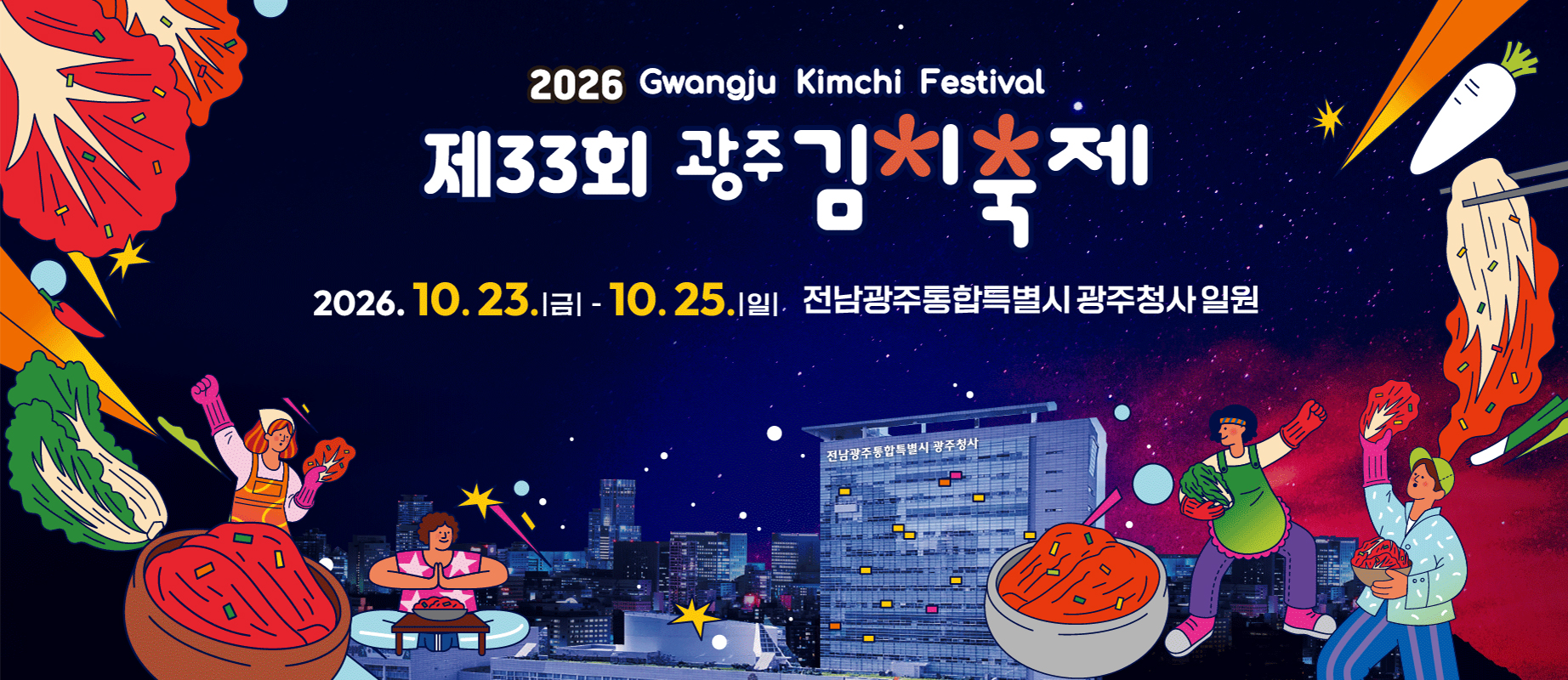
Cultural exchange has been a central component of the Gwangju–Sendai sister-city relationship. Gwangju performers have participated in Sendai’s Jozenji Street Jazz Festival, while Sendai representatives and performing groups have visited Gwangju for cultural events, including the Kimchi Festival. In October 2025, the Gwangju Municipal Changgeuk Troupe (광주시립창극단) performed at a Korea–Japan festival in Sendai, while a Sendai group participated in the opening of Gwangju’s Kimchi Festival.
Sports have provided opportunities for residents of the two cities to interact and strengthen their relationship. Gwangju athletes participated in the Sendai International Half Marathon in May 2024 and May 2025. In 2022, Gwangju also proposed inviting a Sendai team to a Korea–United States–Japan sister-city e-sports competition, illustrating efforts to expand cooperation into newer forms of sporting activity.
“The sister city bond between Gwangju and Sendai remains strong.”
The two cities have promoted mutual understanding through reciprocal visits, civic exchanges, and opportunities for professional development. In June 2024, Gwangju officials visited Sendai in connection with a young civil servants’ exchange program. The 20th anniversary of formal cooperation in 2022 also featured reciprocal delegations and discussions about strengthening exchanges among residents, extending the relationship beyond formal municipal contacts.
In 2024, Gwangju and Sendai organized an exchange of artwork by artists with disabilities, with exhibitions held in both cities from August through December. This initiative demonstrated how their partnership has expanded beyond conventional cultural performances to include disability inclusion, accessibility, and opportunities for artists with disabilities to share their works with wider audiences.
Municipal leaders have used the sister-city relationship to discuss future cooperation and shared priorities. During a video conference in October 2022, the mayors discussed strengthening ties and expanding economic and people-to-people exchanges. In August 2025, a delegation from the youth division of the Sendai Chamber of Commerce and Industry visited Gwangju for company visits and business-community exchanges. Sendai representatives also visited Gwangju for a Korea–China–Japan local government exchange conference in October 2024.
The 20th anniversary of the sister-city agreement provided an opportunity to review past achievements and explore new directions. Activities included reciprocal visits by city delegations, photo exhibitions in both cities documenting their relationship, and discussions about expanding cooperation in culture, sports, education, welfare, economic affairs, and resident exchanges. The anniversary also generated proposals for further activities, including e-sports and participation in each other’s festivals.
From 2022 to 2025, Gwangju and Sendai continued to develop their relationship through cultural performances, sporting events, disability arts exhibitions, official visits, and business-community contacts. These activities illustrate a multifaceted partnership that combines municipal diplomacy with practical opportunities for residents, artists, athletes, and business representatives to interact.
The sister city bond between Gwangju and Sendai remains strong. It may not be well known, but Gwangju and Sendai are each sister cities with Tainan, Taiwan, forming a trifecta of civic corporation and goodwill between the three major East Asian metropolitan areas – a rare and special bond indeed.
Maybe the best between Gwangju and Sendai is yet to come, as leaders of the two cities are currently focusing on industrial business ecosystems that include tech, manufacturing, and green finance interests. It can be argued that nothing is more beautiful in this life than light and trees. As such, we can consider the Japanese proverb “Warau kado ni wa fuku kitaru,” which translates as “Good fortune and happiness come to the home of those who smile.”
Sources
- International Relations. (October 4). International Relations Division, City of Sendai. www.city.sendai.jp/ koryu/foreignlanguage/en/index.html
- Sendai. (2026, September 28) In Wikipedia. en. wikipedia.org/wiki/Sendai
- Sister City Exchange. (2026, October 4). Council of Local Authorities for International Relations (CLAIR). https:// www.clair.or.jp/e/exchange/shimai/
The Author
Murdock O’Mooney is an educator and writer based in Albuquerque, New Mexico, USA. He’s been to Japan many times but always finds there is more to explore. And as the saying goes, “Side by side or miles apart, sisters are always connected by heart.”
Cover Photo: Zuiho-den Mausoleum. (掬茶, CC BY-SA 4.0b)