

Beneath Yeongwol’s Mountains: Into 400 Million Years
By Neha Bisht ||
There are journeys remembered for a single landmark, and then there are journeys remembered for the feeling of moving through an entire landscape. My two-day trip to Gangwon Province was the latter. Sponsored by High1 Resort, the trip brought together around 20 foreigners from Gwangju to experience the geological, cultural, and natural beauty of one of Korea’s most fascinating regions.
The Gangwon Paleozoic National Geopark
The Gangwon Paleozoic National Geopark spans Taebaek City and Jeongseon, Pyeongchang, and Yeongwol Counties. Designated in 2017, it includes 21 geological sites showcasing Paleozoic history through limestone formations, caves, fossils, rivers, and karst landscapes.
What makes the geopark fascinating is that its geological heritage can be experienced directly rather than simply studied in textbooks. It appears as caves formed in limestone, ancient rock formations, winding rivers, and landscapes shaped by millions of years of erosion.
Our journey from Gwangju began early in the morning. High1 Resort had arranged a bus for the group, making the approximately four-hour journey comfortable and convenient. After arriving, our first experience was unexpectedly gentle: flower-tea tasting at the Yeongwol community center.
We were introduced to the Korean tradition of preparing and serving flower tea and learned about the careful process behind it. Sitting together around the tea table and tasting the delicate tea offered a peaceful introduction to the trip. After lunch and coffee, we continued our tour.
Jangneung Royal Tomb: Walking Through Joseon History
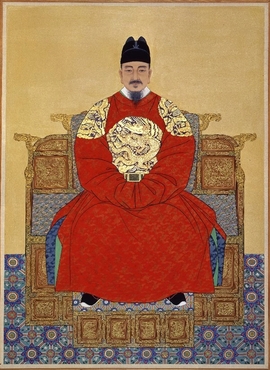
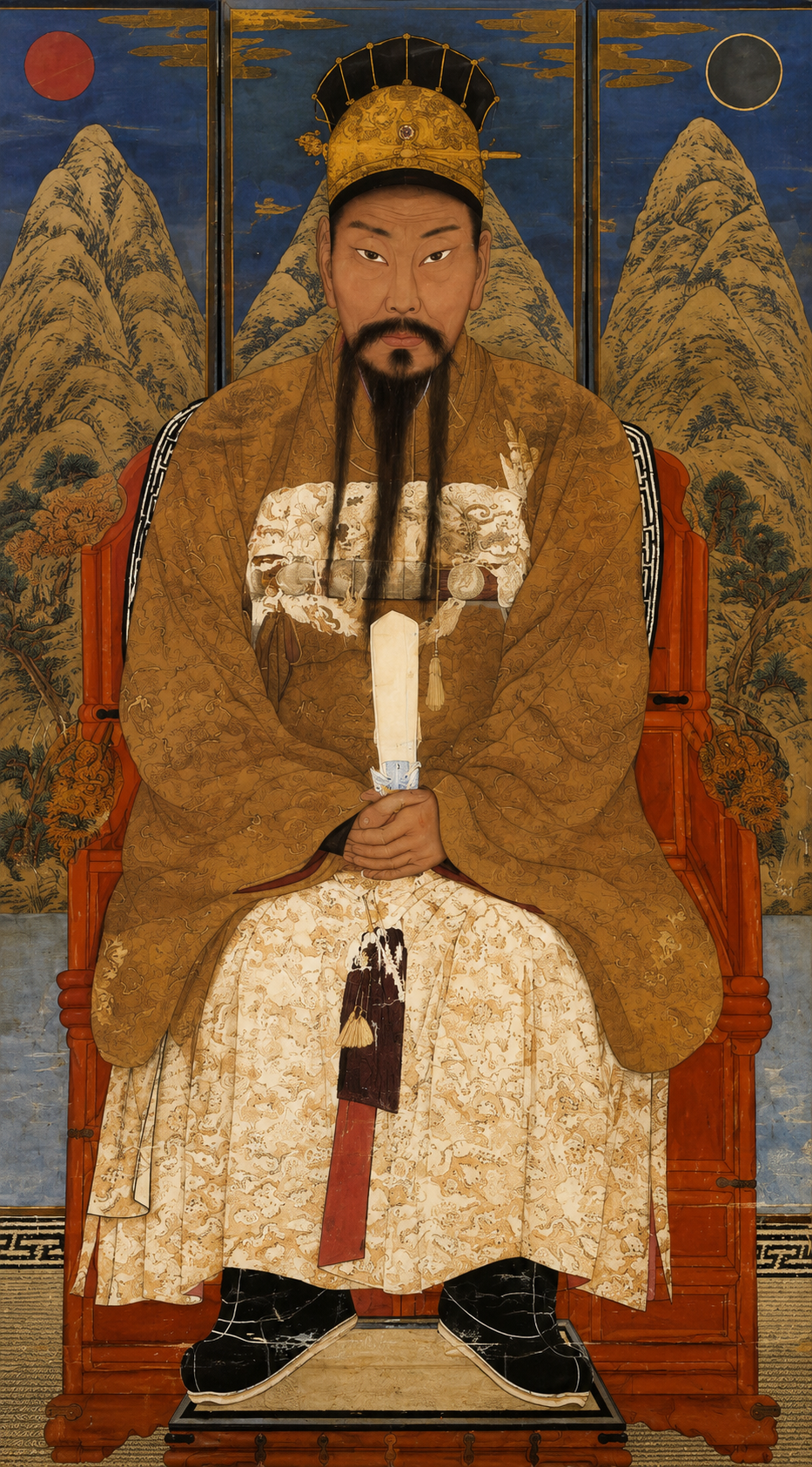
Our next stop was the Jangneung Royal Tomb, the final resting place of King Danjong, the sixth king of the Joseon Dynasty. Danjong became king when only 12 years old. After his uncle, Grand Prince Suyang, seized the throne, the young king was exiled to Yeongwol, where he eventually died. His tragic story remains closely connected with the history of the region.
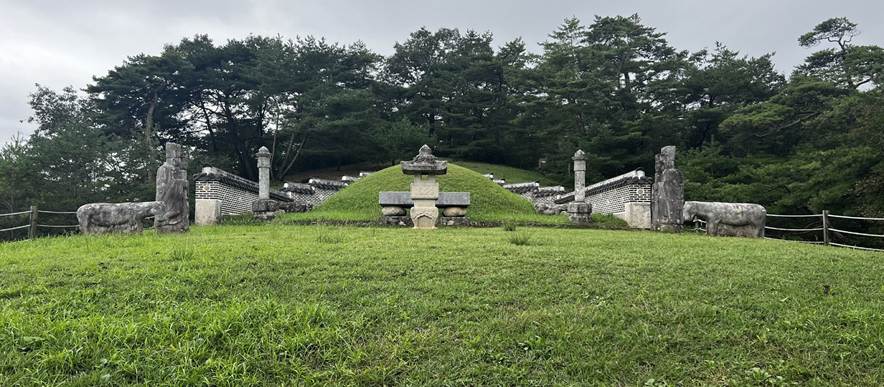
The Jangneung Royal Tomb.
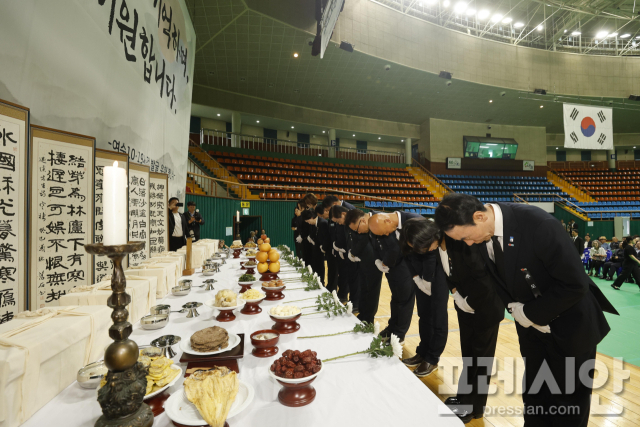
Jangneung forms part of the Royal Tombs of the Joseon Dynasty, which were inscribed on the UNESCO World Heritage List in 2009. The royal tombs are valued not only for their architecture but also for their relationship with the surrounding natural landscape and traditional ancestral rituals. Their locations were carefully selected according to principles of pungsu (geomancy), with hills protecting the rear and views toward water and distant mountains.
Walking through Jangneung, I was struck by its quietness. Rather than feeling like a monumental historical site, the tomb seemed naturally absorbed into the surrounding forest and hills. The trees, gentle slopes, and ceremonial spaces created a peaceful atmosphere.
Knowing Danjong’s story while walking through the site made the visit more emotional. The landscape was beautiful, but there was also a sense of sadness – the story of a young king whose life ended far from the palace.
After exploring Jangneung, we continued toward High1 Resort, checked into our rooms, and took some time to rest.
An Evening at High1 Resort
Surrounded by the mountains of Jeongseon, High1 Resort offered a different atmosphere from the historical sites we had visited earlier in the day. The resort combines accommodation and leisure facilities within a mountain setting.
In the evening, our group had a special opportunity to enter the casino. It was an unusual addition to a cultural and geological trip and gave us a glimpse of another side of the resort.
Later, we had dinner at the resort cafeteria. After an early start and a full day of sightseeing, returning to our rooms felt especially satisfying. It was a restful end to our first day. In Yeongwol, geological time is not something confined to a textbook – it rises from the ground, flows with the rivers, and waits quietly inside the caves.
Gossi Cave: A Journey 400 Million Years into the Past
The following morning began with breakfast before we continued with the day’s program. After breakfast, my friend and I used some free time to explore the area around the resort. Away from the main buildings, we discovered a traditional tea café surrounded by hills. We stopped for coffee and enjoyed the peaceful mountain surroundings before it was time to continue toward Yeongwol and our next destination, Gossi Cave (Gossi-gul).
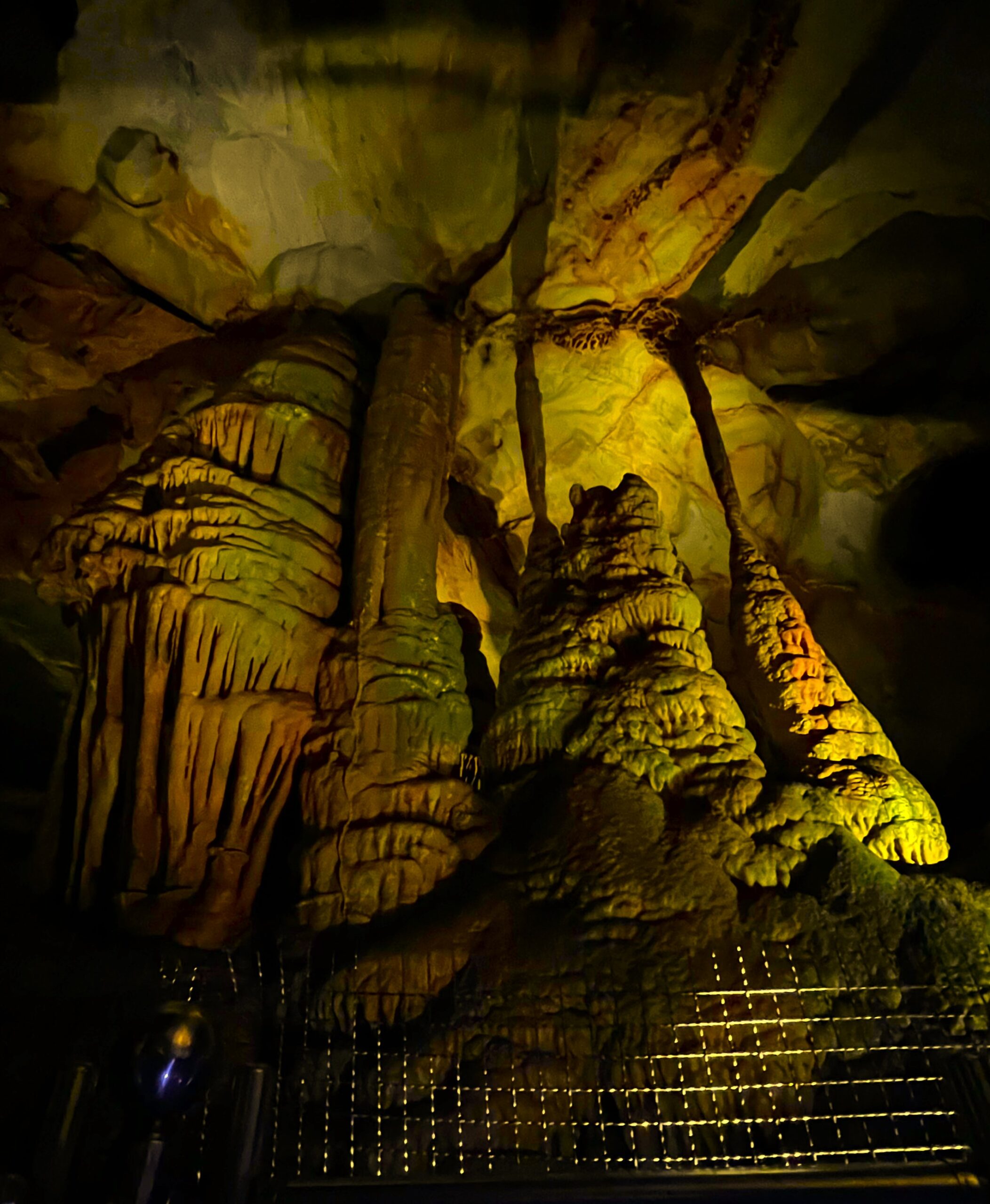
Gossi-gul is one of Yeongwol’s best-known geological attractions and an important site within the Gangwon Paleozoic National Geopark. Formed mainly in limestone, the cave preserves evidence of a geological history stretching back hundreds of millions of years. Entering the cave felt like leaving the world above behind. The cool air, darkness, and narrow passages created an adventurous atmosphere as we moved through the underground landscape. Stalactites and stalagmites revealed the slow work of water and time.
“Yeongwol felt like history written directly into the land.”
Although our visit was relatively short, the cave represented an enormous geological timescale. Walking through it made the idea of geological history feel much more tangible than simply reading about it.
Cheongnyeongpo: A Landscape Shaped by River and History
From Gossi-gul, we continued to Cheongnyeongpo, one of Yeongwol’s most famous scenic and historical locations. The area is closely associated with exiled King Danjong.
Cheongnyeongpo has a naturally secluded character, with the river surrounding three sides of the area and steep terrain forming a natural barrier. Dense pine trees and mountain slopes create a peaceful landscape that contrasts strongly with its tragic history.
We followed the trail through the hills and surrounding forest, enjoying the changing views along the way. During our hike, we reached the vantage point overlooking the famous Korean Peninsula-shaped terrain (한반도지형). The winding river and surrounding land create an outline remarkably similar to the Korean Peninsula. Seeing this miniature peninsula from above was one of the highlights of the trip. After hiking through the surrounding hills, reaching the overlook felt especially rewarding.
The landscape also showed why Yeongwol is so important as a geopark. The peninsular shape has been created through the long-term interaction of the river, land, and erosion, producing a natural formation that is both geographically fascinating and visually striking.
The combination of Cheongnyeongpo’s history and the Korean Peninsula-shaped terrain’s topographical beauty made this part of the trip particularly memorable. Within the same walk, we could experience both the story of a Joseon king and the forces that have shaped the land over geological time. From a 400-million-year-old cave to a river winding around the Korean Peninsula-shaped landscape, Yeongwol felt like history written directly into the land.
Returning to Gwangju
After finishing our hike, we began our journey back to Gwangju. Looking back, the two days had brought together an unforgettable mix of geology, nature, history, and culture – from flower tea and Jangneung to High1 Resort, Gossi-gul, and the Korean Peninsula-shaped landscape.
Traveling with other foreigners from Gwangju made the experience even more special. By the time we returned, the mountains were behind us, but the memories remained vivid.
Yeongwol was not simply a destination; it was a story told through rocks, rivers, forests, and people.
The Author
Neha Bisht is a native of India, pursuing her PhD research at Chonnam National University’s School of Materials Science and Engineering. She loves to meet new people and make new friends. Neha endeavors to contribute to the well-being of society in whatever way she can.
Follow @philla_korea
(Photographs courtesy of the author)
Cover Photo: Gossi-gul reveals different colors of flowstones and stalagmites.